A guide to French leeks: why they're different in France and how we cook with them in everyday French recipes - including the classic potato and leek soup.
Leek Season in France
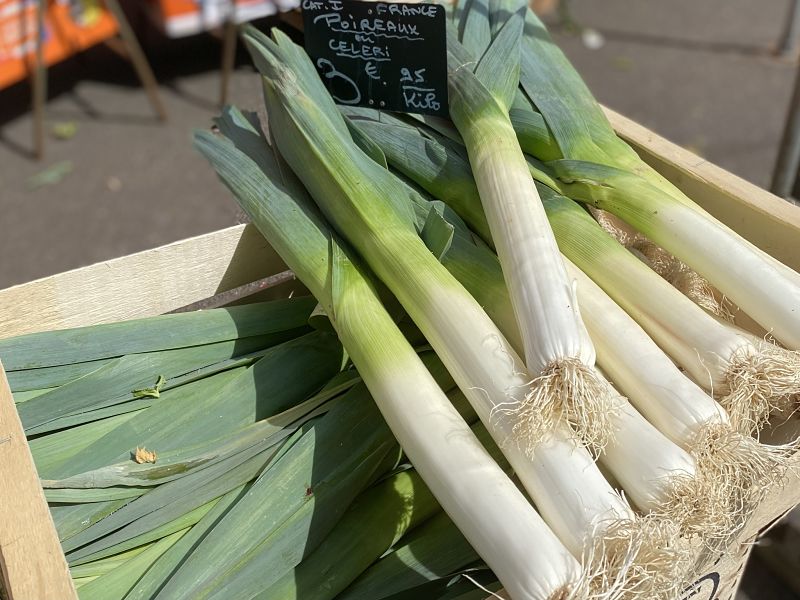
Although available throughout the year, leeks are in full season from September to April in France. So they're ideal for making these Autumn, Winter and Spring recipes.
French Leeks - Are They Different to Regular Leeks?
Like all leeks, le poireau or plural poireaux (both pronounced 'pwa-roe') belong to the cultivar of Allums, the same family as onions, shallots, garlic and chives. Known as Allium Porum, they taste milder than the onion.
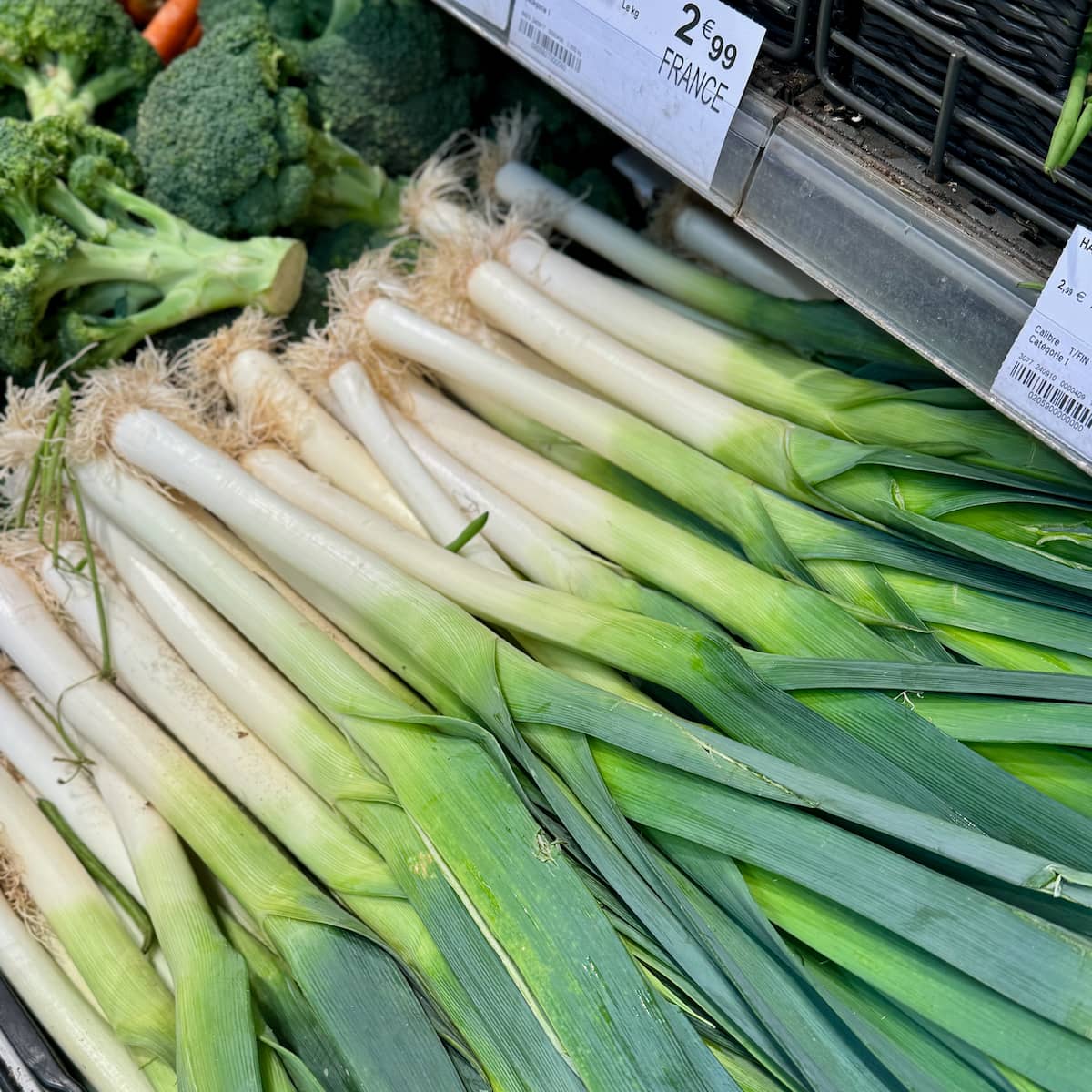
French leeks are different to regular leeks as they contain much more white edible stalk compared to the green stalks. Basically we get more for our money!
So I asked the vegetable growers at our markets (called maraîchers) why.
This is due to earthing them up around the stalk as it grows ('buter les poireaux'), adding lots of dry soil around the plants. This encourages more white growth under the ground (much like white asparagus).
According to the French Ministry of Agriculture, 164,000 tons were harvested in 2021 from mainly Normandy and the Loire Valley, where they're grown. If you're looking for two French quality types, go for the poireau de Créances (IGP) and poireau des sables.
Slang French Expression with Leeks
"Avoir le blanc du poireau"
Slang French expression which means "to have the best of something", our equivalent of "the cat's got the cream" (literally translated as having the whites of the leeks). e.g. a newly wed couple have the best period in their lives.
"Ils sont dans le blanc de poireau"
What are the Health Benefits of Leeks?
Leeks are antioxidant and a diuretic. We often hear French doctors and nutritionists talk about eating leeks at la rentrée, especially important at the return of school and work routine. They help to clean out the body and prepare it for Winter to increase the immune system.
According to Aprifel for the French Ministry of Agriculture, leeks are a good source of vitamins A, B9, E and fibre. Studies via Aprifel have shown that leeks also have anti-inflammatory, anti-cancerous and anti-allergic properties, due to their phenolic content.
Can you Eat the Green Parts of Leeks?
The French eat leeks cooked. The edible part is the white and light green part. So the light green part is edible but the dark green is normally not used in recipes and instead, cut off at the end.
Rather than discard the remaining dark green stalks, however, they're often used to make a homemade stock. Just tie together a classic bouquet garni in the darkest green leek stalk- see more in aromatic fresh herbs.
How Do the French Eat Leeks?
Leeks are enjoyed in all sorts of French dishes: chopped in soups, in tarts or quiche, pies and in stews.
For classic starters (appetizers), the French serve leeks classically roasted or braised, chilled in a vinaigrette. Alternatively, served warm with a classic beurre blanc sauce. For more, see recipes below.
How to Prepare Leeks
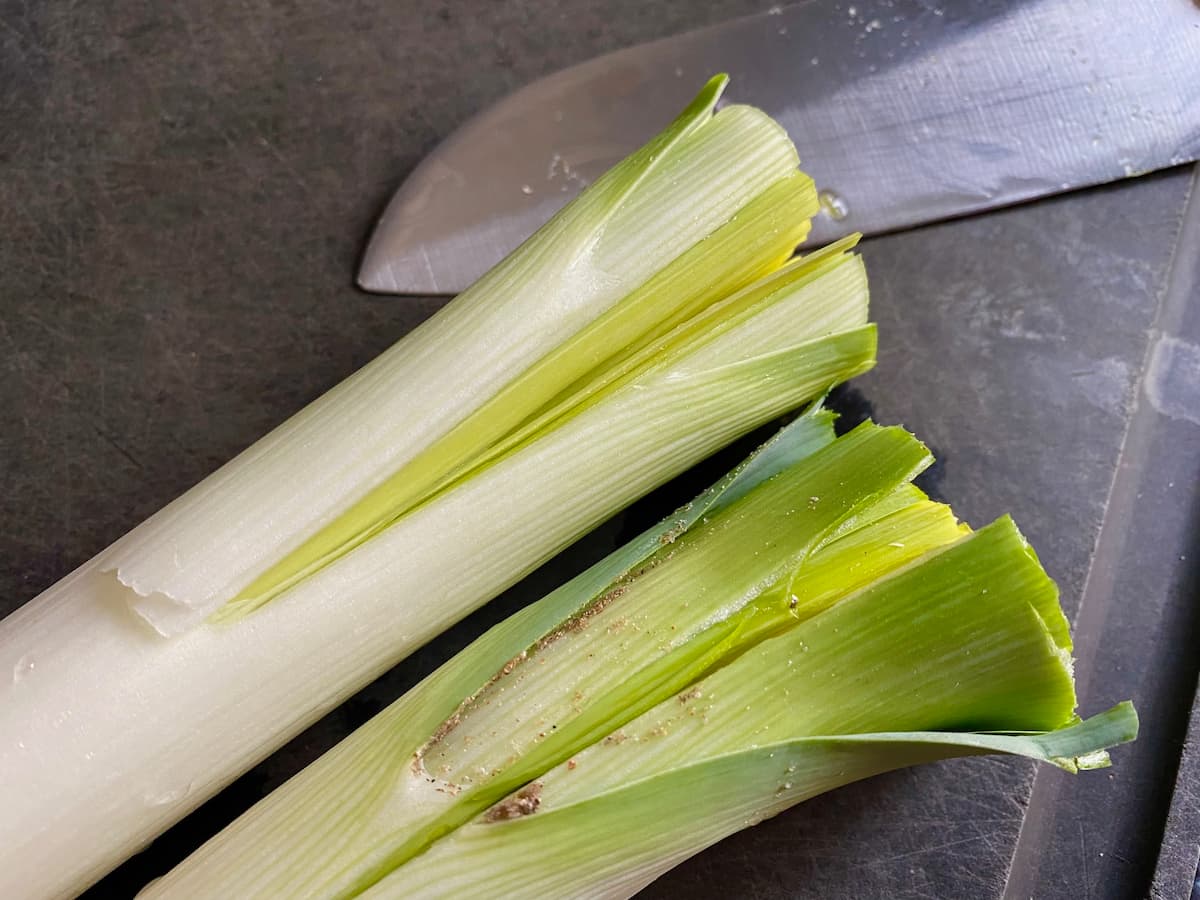
Organic leeks from the market always have grit or sand in them so they need a good wash. To wash the leeks, cut them first. Leave on about 5cm (2 inches) of the greens above the leeks' whites and remove the root stalk at the bottom.
Cut through them in half vertically about a third from the top. This makes it easy to remove grit. Just run under cold water then you're ready to get cooking with them.
Does Magic Leek Soup Exist in France?
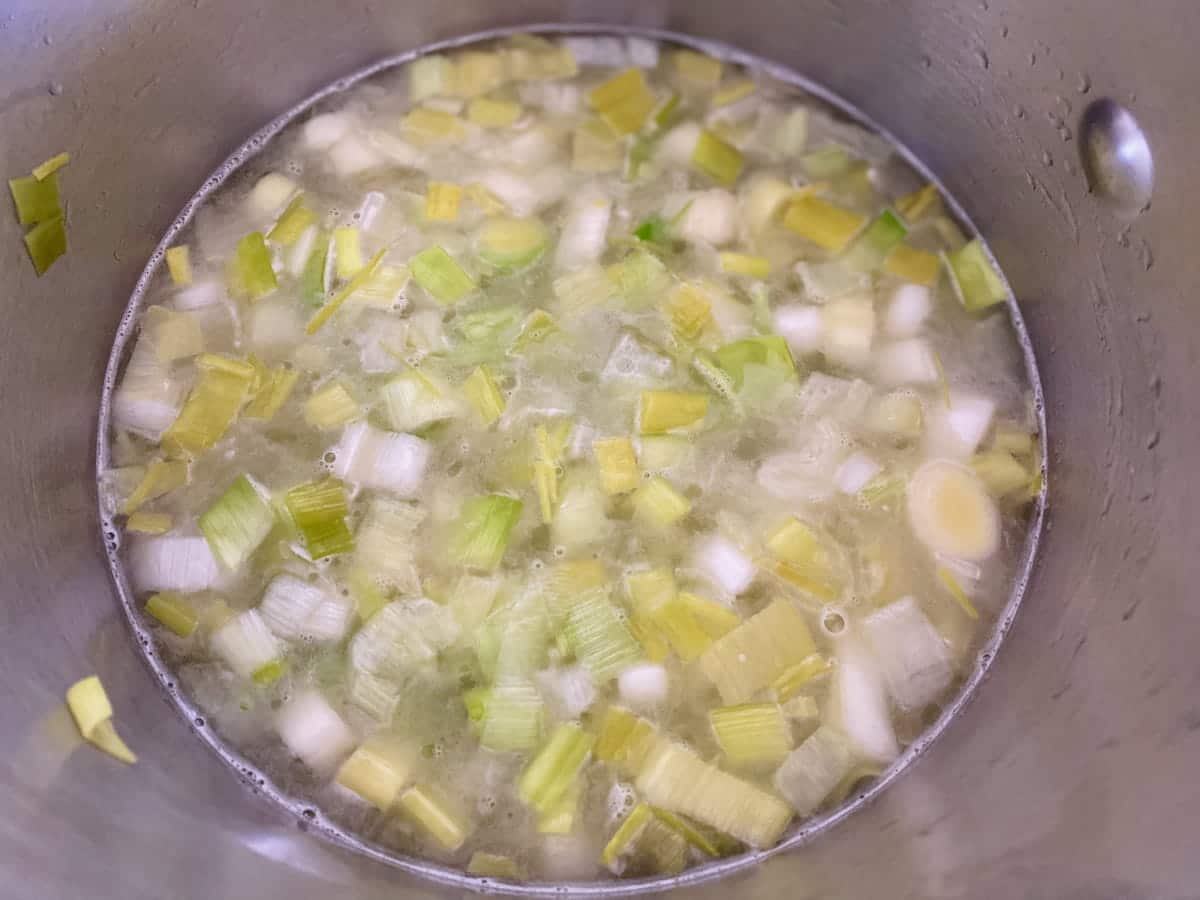
French Magic Leek Soup does exist. It's a fad diet mentioned in the series, 'Emily in Paris' and refers to leeks infused in water, done by the author of 'French Women Don't Get Fat'.
All is explained in my recipe post for the more nourishing Leek and Potato Soup (potage Bonne-Femme) and includes just a little butter! The result tastes miles better but if you want it without the butter, be my guest. Just follow the recipe without it.
French Leek Recipes
The French love to cook with leeks and use them in many dishes. As French leeks have much more edible white to enjoy, we often use leeks in place of onions for something a bit different.
So try them instead of onions as a change in the classic Scottish soup, Cullen Skink with smoked haddock - bliss.
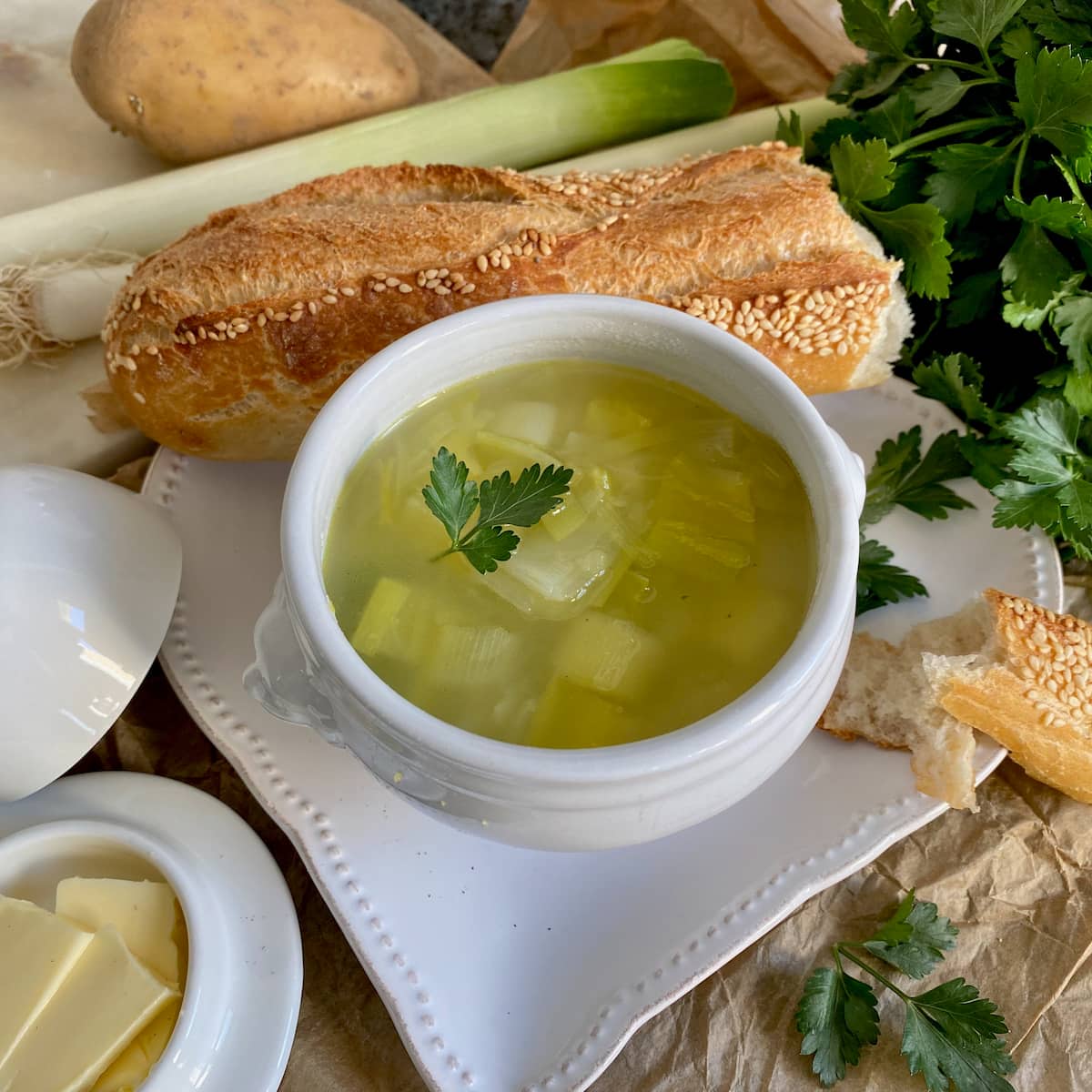
Leek and Potato Soup, known in France as Potage Bonne-Femme. The authentic recipe is served without the soup or potage mixed to a purée. Instead it's served with the chunks and, according to Auguste Escoffier, is to be served with a little extra butter.
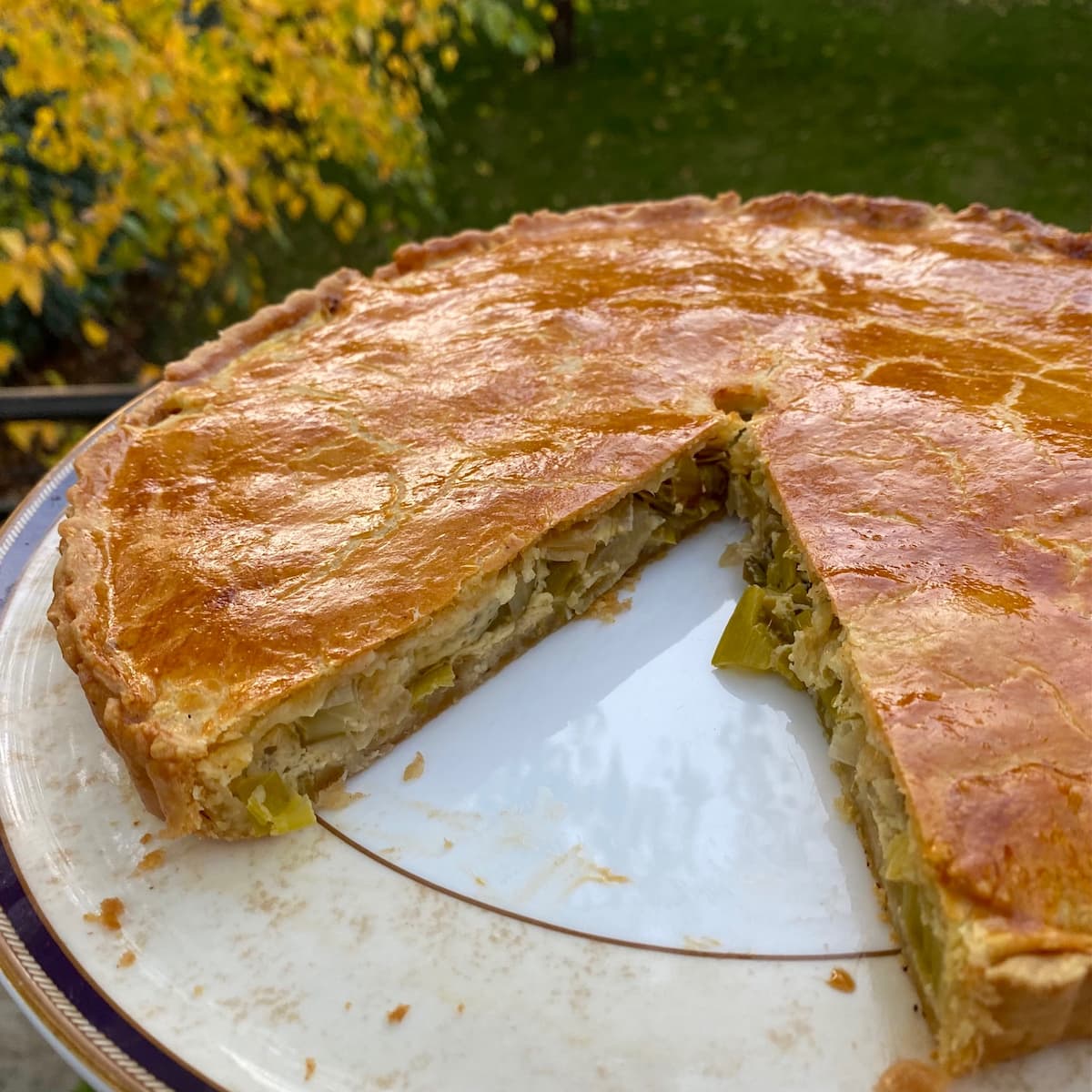
French Leek Pie, popular in Parisian brasseries for a starter/appetizer, it's known as Flamiche in the North of France.
While leek and chicken pie is popular in the UK, in France pie is traditionally served without any chicken and just the leeks! Sounds boring? Far from it. Try this recipe - it has an intriguing touch of curry powder which is fabulous with the leek flavour.

Blanquette de Veau is the French's most popular stew and includes leeks which just dissolve into the casserole and give its famous white sauce that extra flavour.
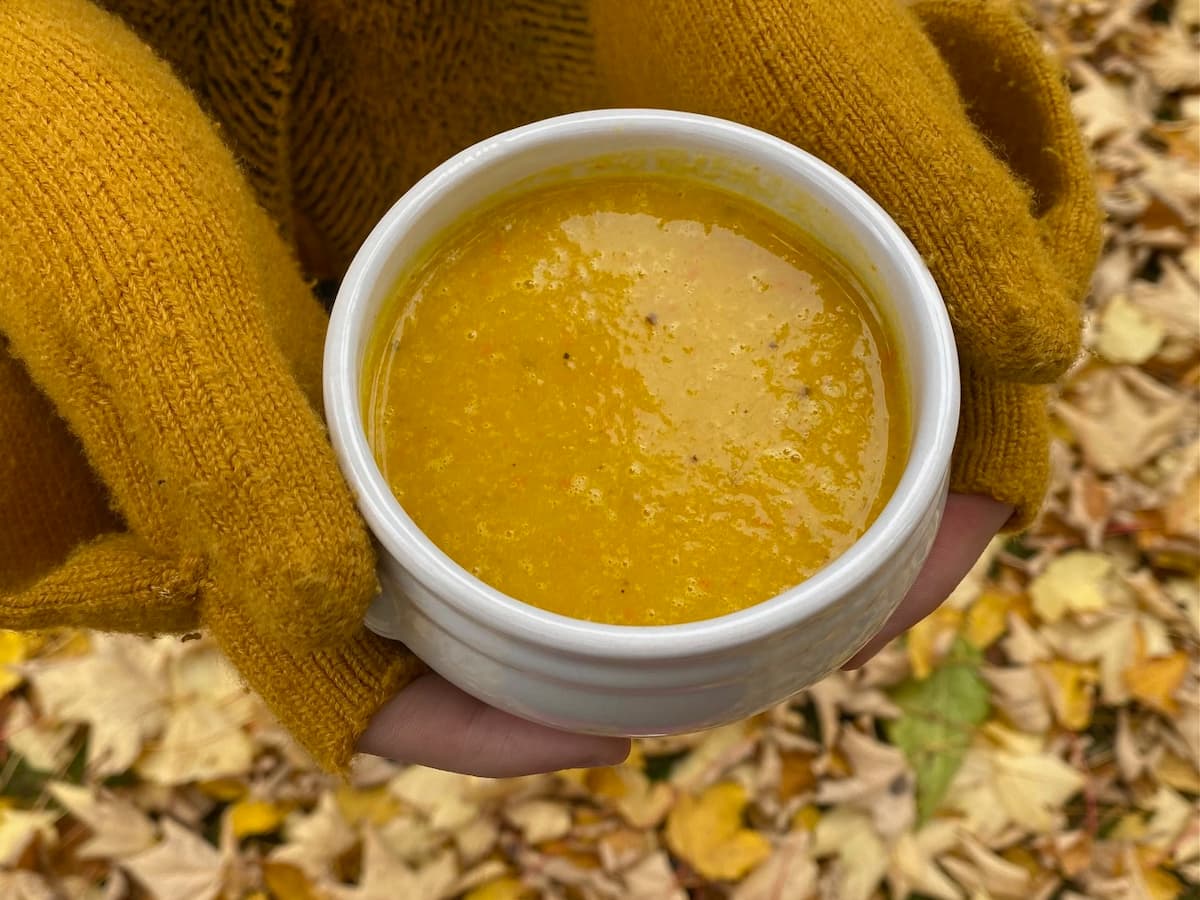
Pumpkin and Leek Soup is extra nourishing to cleanse the body in the colder seasons and with an added touch of ginger, it's fabulous.
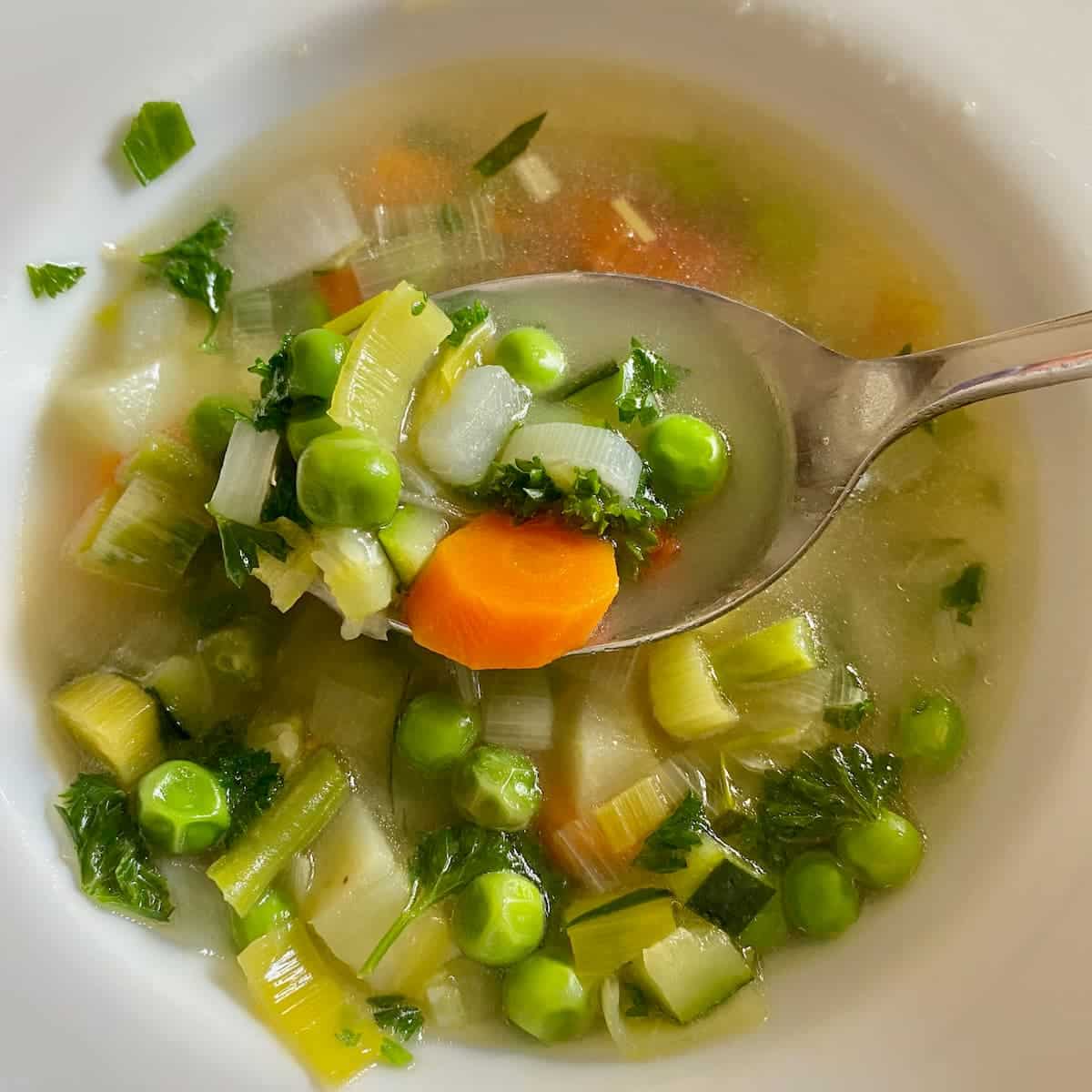
Add also to a pure vegetable soup. The fresher the seasonal vegetables, the tastier!

I add two leeks to this Butternut and Walnut Gratin. The flavours marry so well together along with some chestnuts under bubbling cheese for a taste of Autumn.