

France has more than one kind of macaron. The colourful Parisian macaron with ruffled feet is the one most people know, but many French regions still make older, rustic almond macarons without fillings.
Here's a guide to the main types of macarons in France: from elegant Parisian macarons to traditional regional styles from Nancy, Saint-Émilion, Amiens, Joyeuse, Saint-Jean-de-Luz and beyond.
The Two Main Types of Macarons in France
Most French macarons belong to one of two families: the modern Parisian macaron and the older regional almond biscuit. They perhaps share almond flour, sugar and egg whites but their appearance and textures are very different.
The Parisian version is made with two smooth almond-meringue shells, filled with ganache, jam, curd, buttercream or caramel. It's the colourful pâtisserie macaron you see in Paris, with a crisp shell, chewy centre and the famous ruffled foot, or pied.
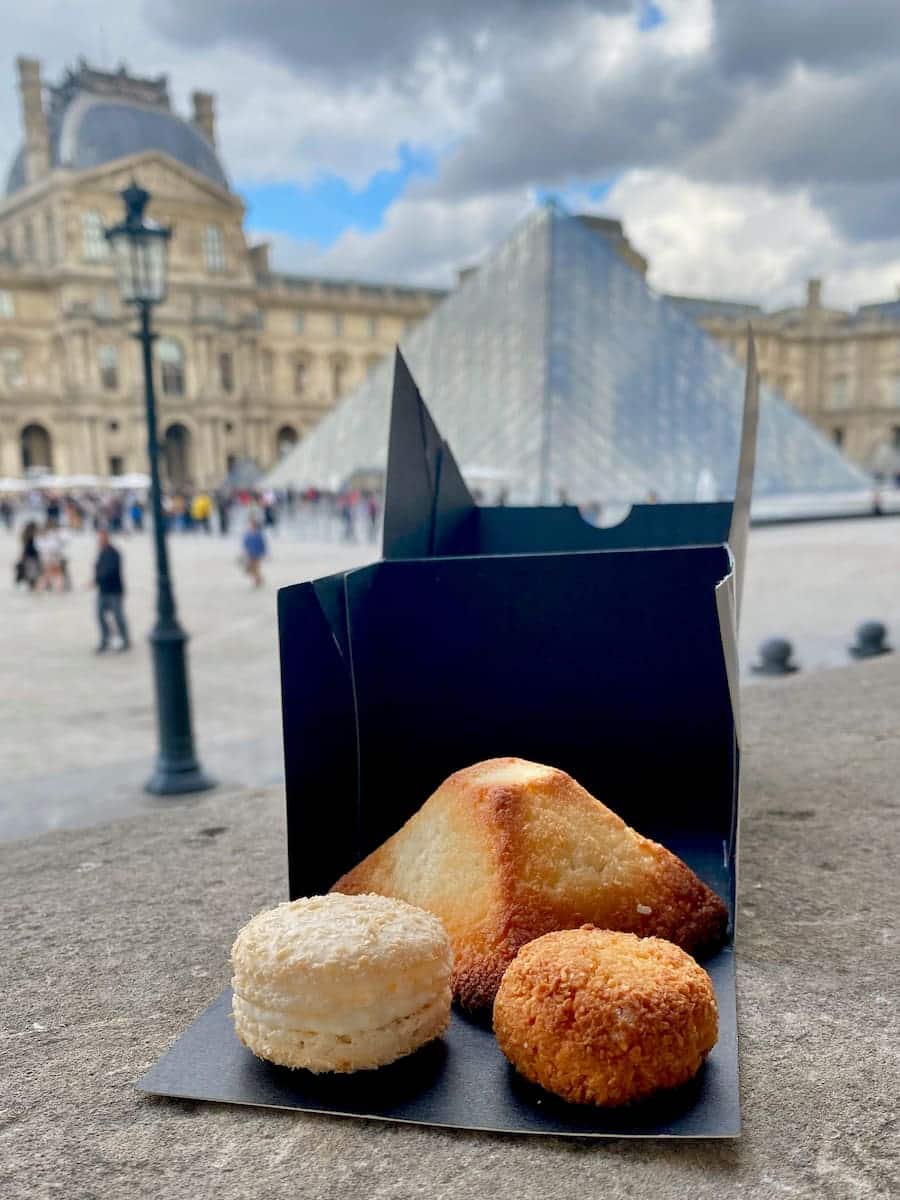
Regional macarons are usually simpler. Many are single, traditional almond biscuits with no filling: cracked, chewy, glazed, ring-shaped or honeyed depending on the town. They may look less glamorous, but they tell the older story of macarons in France.
Some traditional varieties are naturally gluten-free, but not all. A few regional recipes can include flour, so always check if you're celiac.
For the spelling mix-up with coconut macaroons,
see my guide to macarons vs macaroons.

Parisian Macarons or Gerbet with Fillings
This is the famous one: two smooth almond meringue shells, a soft filling and a ruffled little foot.
The modern filled version is often called the macaron Gerbet or Parisian macaron. Its creation is still debated, but it became the luxury version we know today in the early 20th century. Pierre Desfontaines is credited as the inventor, a relation of Louis Ernest Ladurée, although not everyone agrees on the exact story.
Later, Pierre Hermé helped make them fashionable worldwide in the 1990s with more creative flavours, setting up his own brand after leaving Ladurée, where he created the Ispahan.
Taste a good Parisian macaron in classic flavours like raspberry, pistachio, chocolate, lemon, coffee, rose or caramel, and you'll see what matters: the flavour should come first. It shouldn't just taste sweet.
Which Macaron is the Original?
The macaron's roots came from Italy before Catherine de Medici brought them to France. The word is linked to the Italian maccherone or macarone, meaning a fine paste or crushed mixture - in this case, ground almonds, egg whites and sugar.
These early almond biscuits were closer to amaretti than today's Parisian macaron: rougher, simpler, cracked and mainly tasting of almonds.
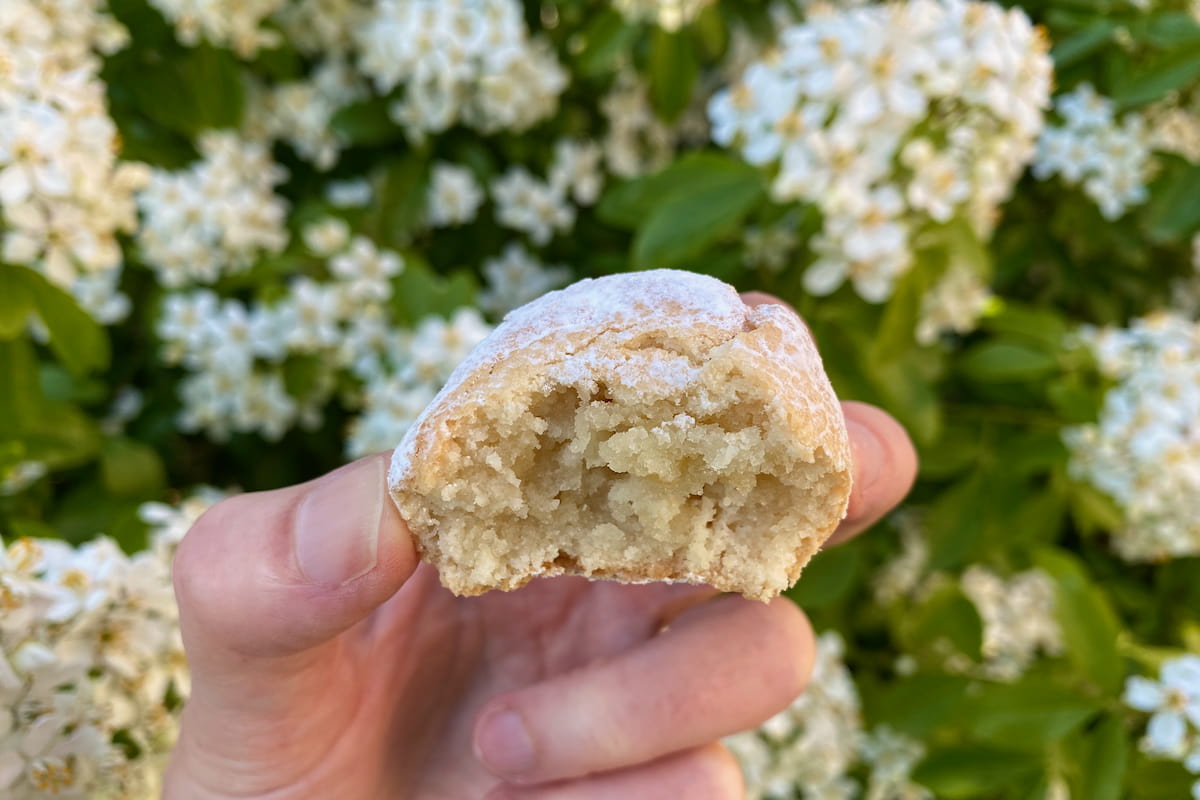
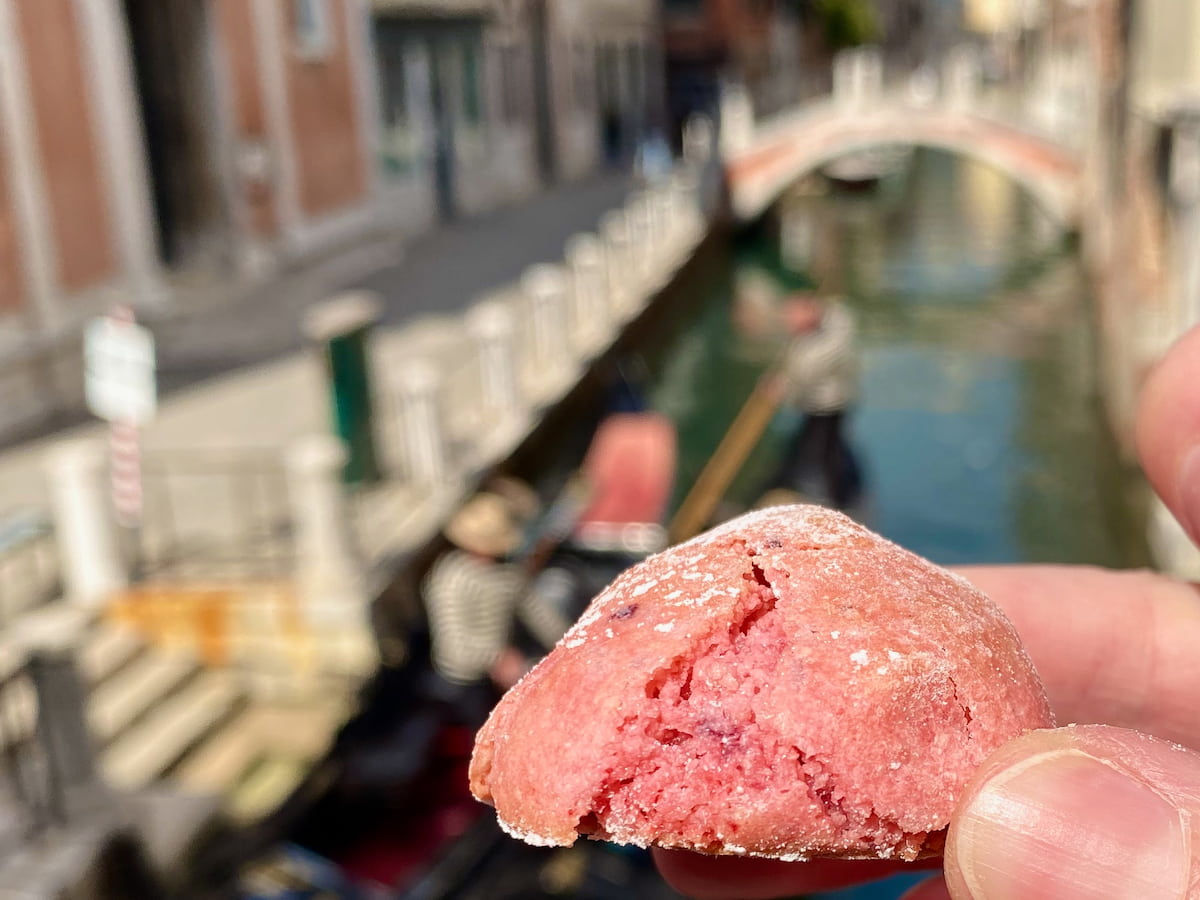
In the spirit of research, I once buzzed around Venice looking for something close to the old-fashioned French macaron. The closest in appearance were Coriandoli, although the ones I found had added colouring and aromas, which rather hid the almond flavour. The best were amaretti morbidi - soft almond amaretti dusted with powdered sugar.
This Italian link matters as it explains why France has so many regional macarons today. Long before the filled Parisian macaron became famous, rustic almond macarons were already part of French food culture. Alexandre Dumas even included macarons in his Dictionary of Cuisine in 1873, with versions using bitter almonds and sweet almonds.
Traditional Regional Macarons in France
Before the filled Parisian macaron became famous worldwide, many French towns already had their own almond macaron traditions. These regional macarons are often single almond biscuits, with no filling, no bright colour and no ruffled feet.
They may not look as polished, but they are part of real French food history.
They're often chewy, cracked, glazed, ring-shaped, honeyed or rustic depending on the town. Each region adds its own twist with many of them created thanks to historical weddings.
Macarons de Joyeuse
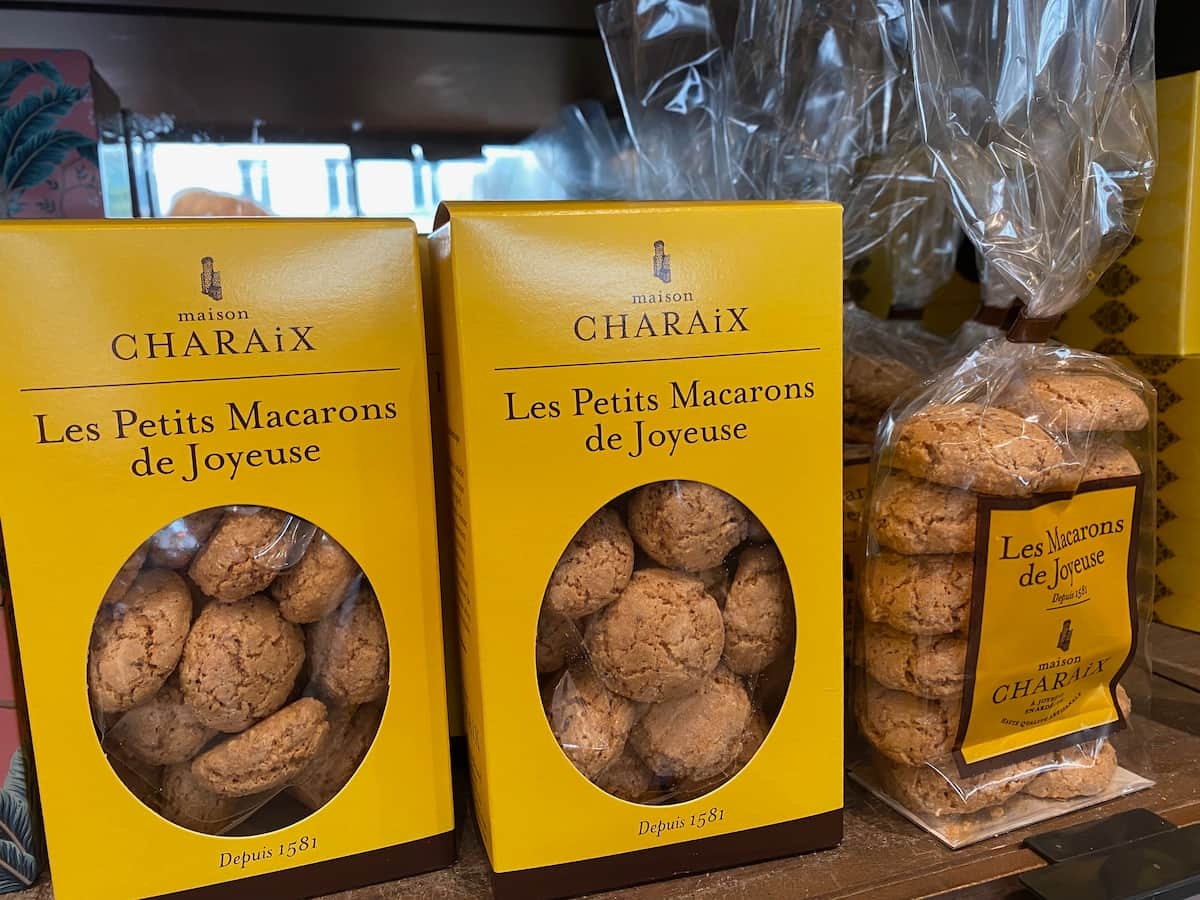
The macaron de Joyeuse comes from Ardèche and is often described as one of the oldest macaron traditions still made by hand.
The story goes back to 1581, when the Duke of Joyeuse married King Henri III's sister-in-law in Paris. At the lavish wedding festivities lasting two weeks, King Henri's mother, Catherine de Medici, made sure of the best music and pastries - including her favourite maccherone, or macarons.
The Duke of Joyeuse loved them so much that he brought them back to Joyeuse and ensured they were made for the couple and the town - and the rest is history.
Maison Charaix has continued making them in much the same spirit. Their version includes hazelnuts as well as almonds, giving them a deeper, nuttier flavour.
Saint-Jean-de-Luz
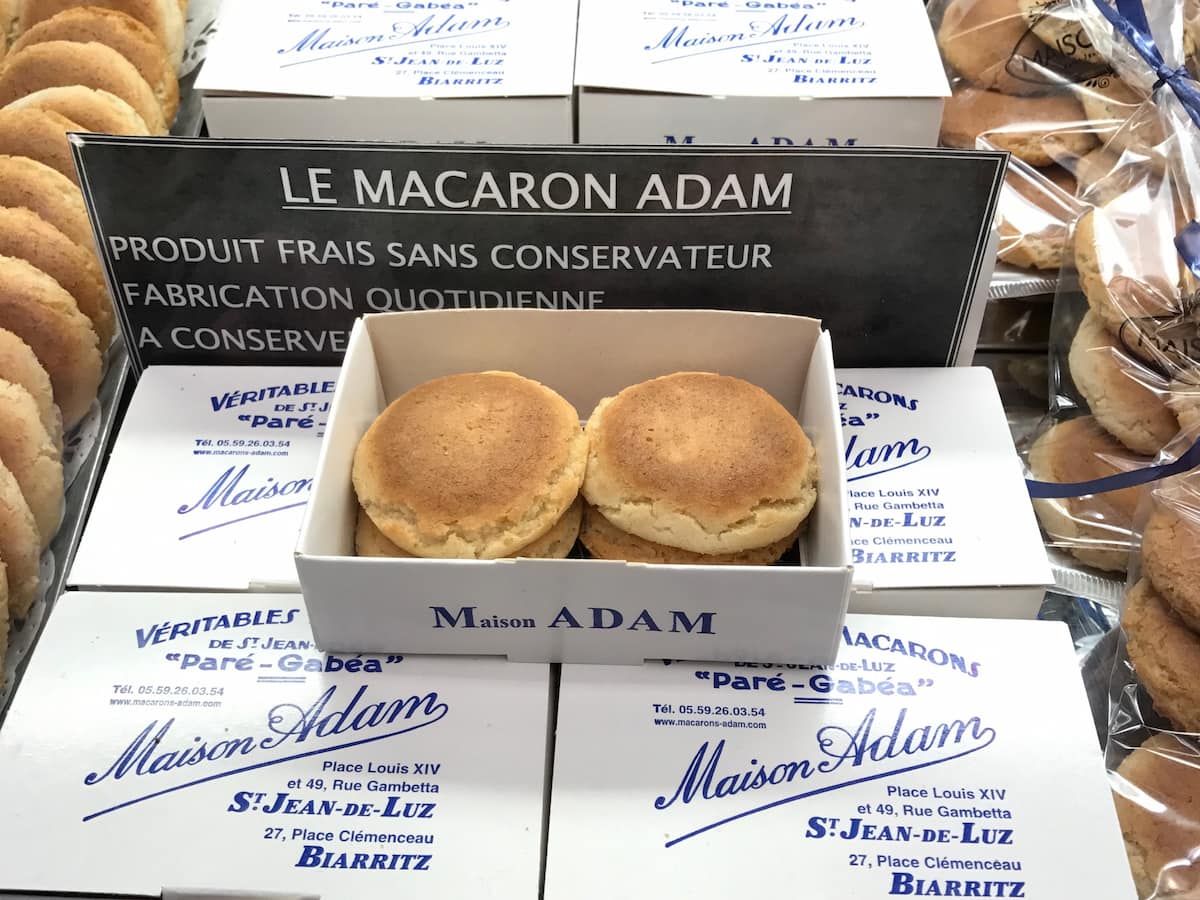
The Basque macarons from Saint-Jean-de-Luz were originally created for King Louis XIV's wedding there in 1660.
Known as 'Paré Gabéa', meaning 'incomparable', they are still made fresh every day by hand at La Maison Adam in St Jean-de-Luz and Biarritz. Their boutique, Etxea (meaning "House" in Basque), is in Place Louis XIV.
These are not glossy but soft, golden almond biscuits with a delicate chew.
Saint-Émilion
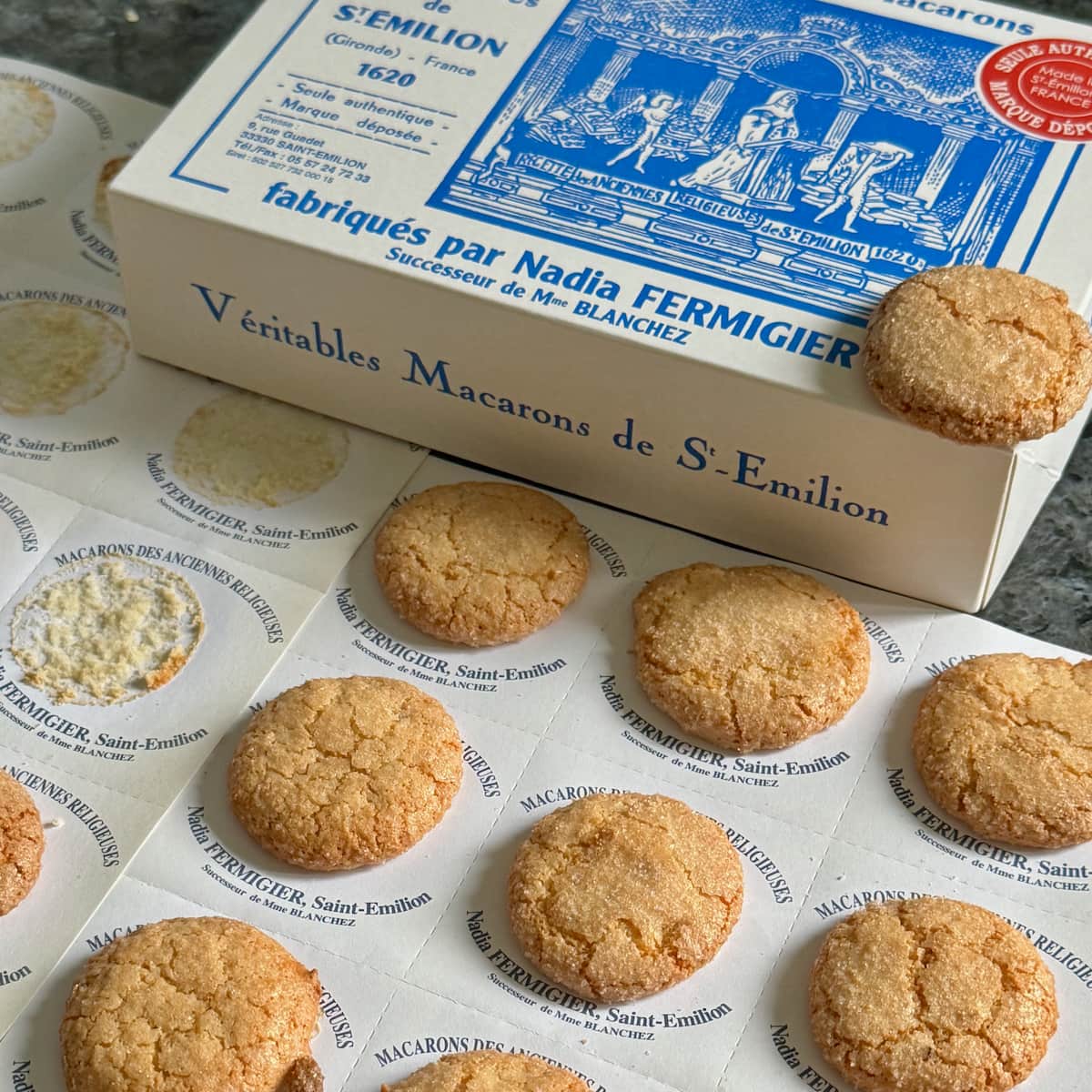
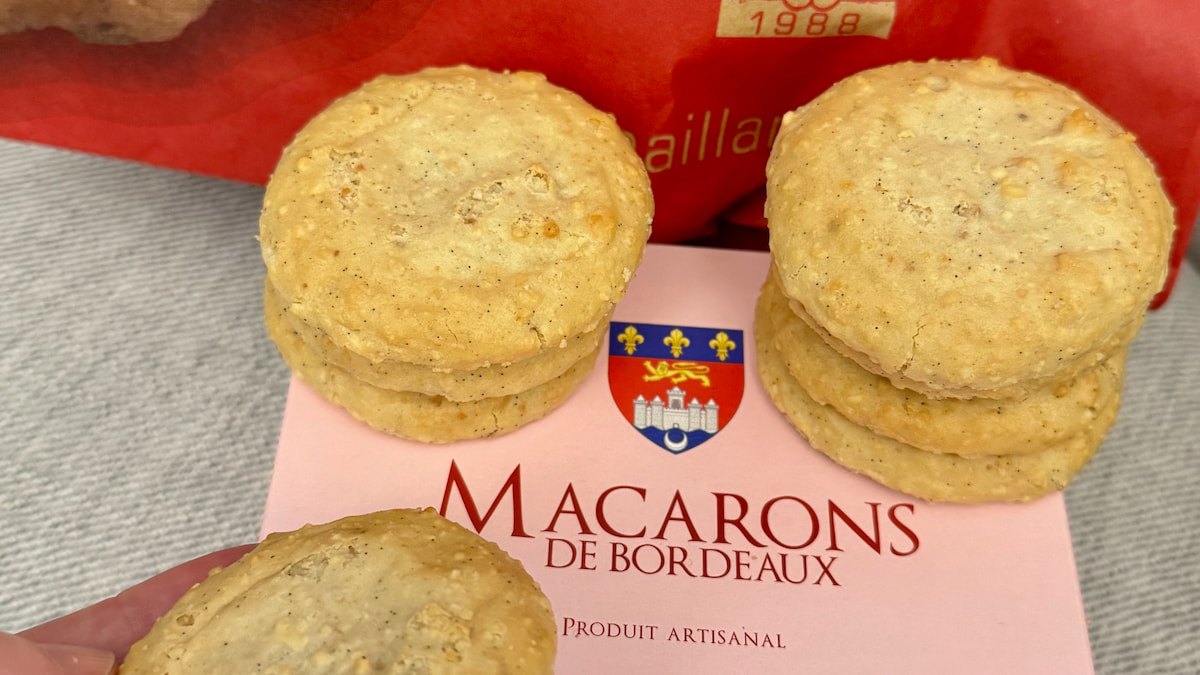
Macarons de Saint-Émilion are rustic almond macarons from the Bordeaux wine region. The secret recipe dates back to 1620 - no colouring added and continues to be made at la fabrique. They're pale, chewy, cracked and traditionally sold on paper.
These are perfect for showing that "macaron" does not always mean "pink sandwich cookie." They are simple, old-fashioned and regional - and that is exactly their charm.
Montmorillan and the Macaron Museum
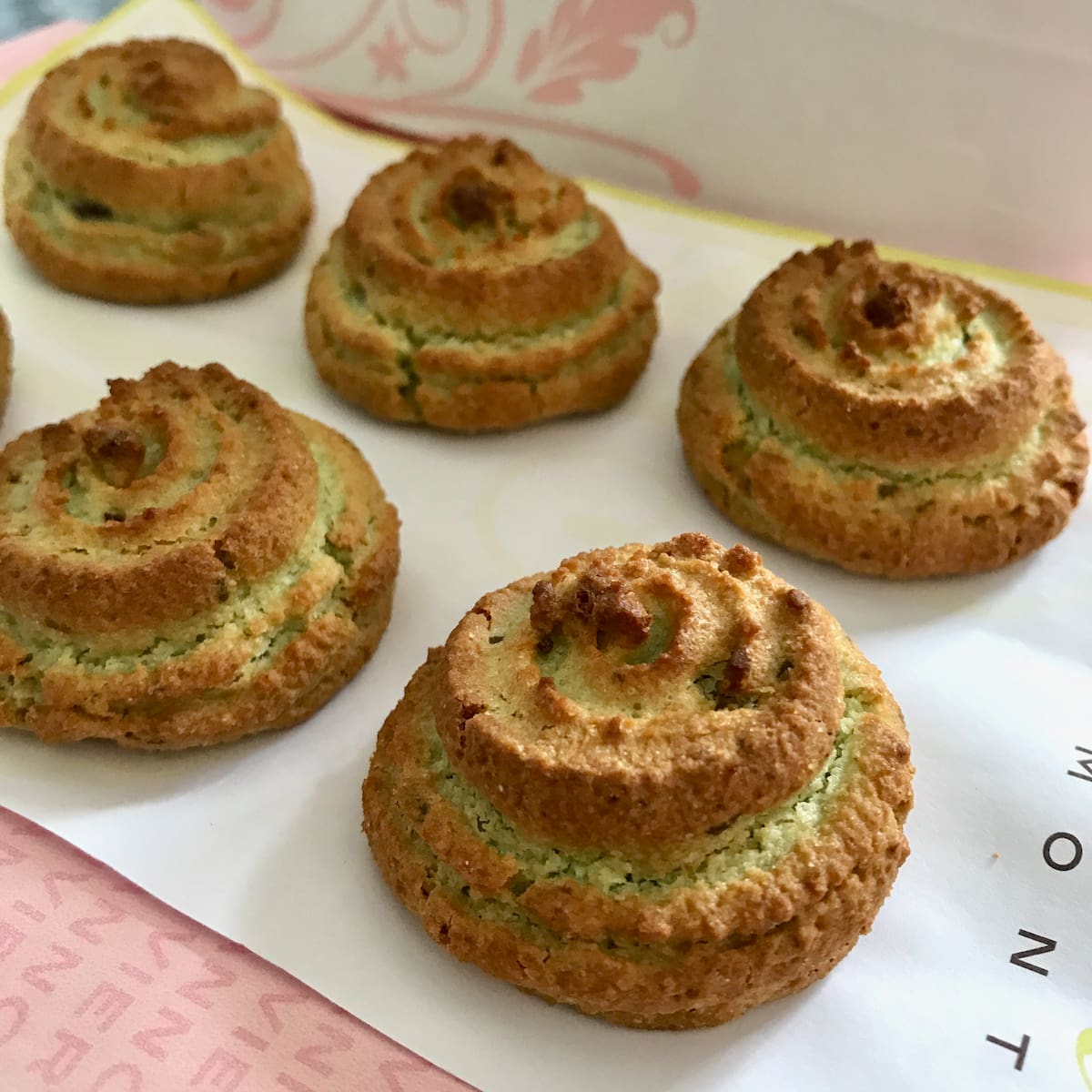
Like the other regional varieties, macarons from Montmorillon are rustic but the flavour is pronounced of almonds, even when given added different flavours.
A speciality of Poitou, the Rannou Métivier family have been carrying on the tradition of making their Montmorillon macarons since 1920.
Learn much more at their Macaron Museum.
Nancy
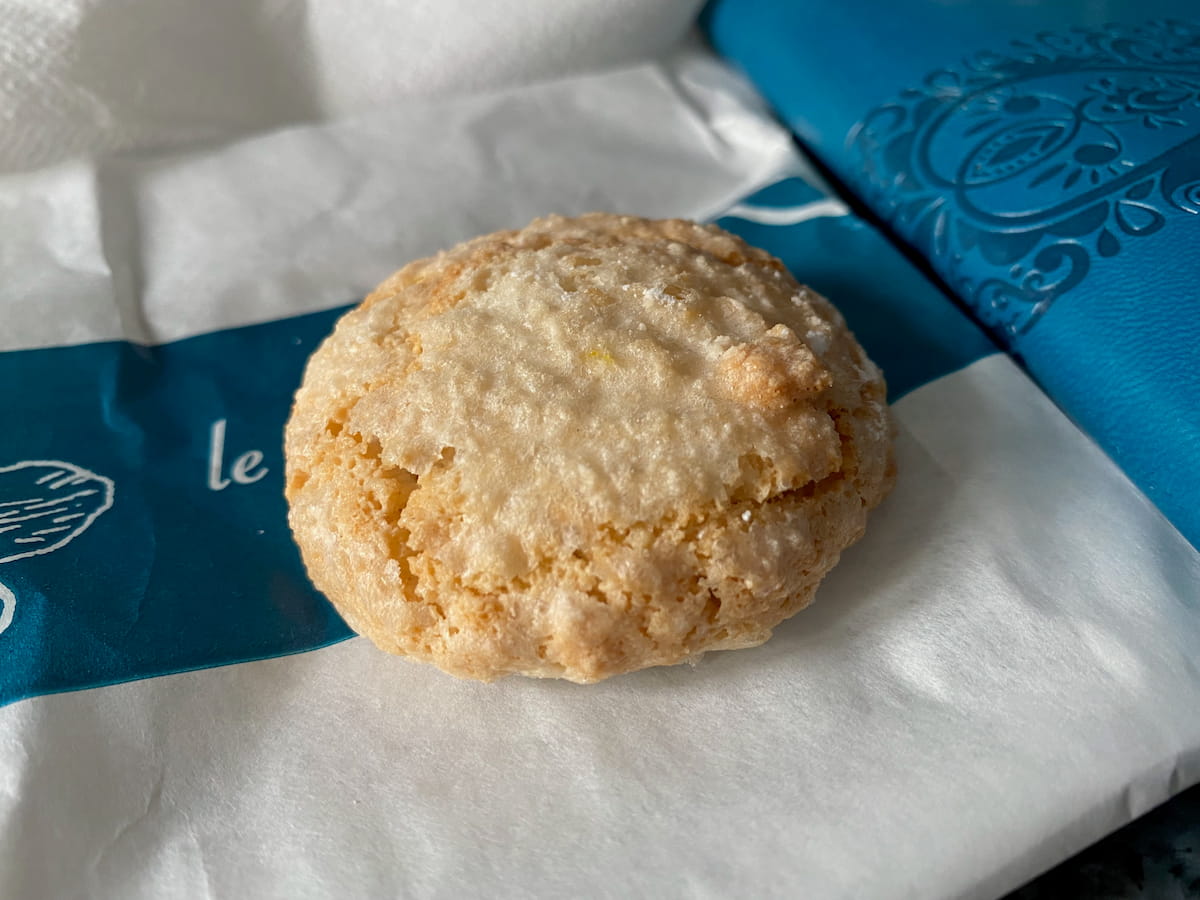
Macarons de Nancy are rustic almond macarons from Lorraine. They're usually sold plain, without a filling, and are closely linked to the famous macarons des soeurs.
The Macaron Sisters were a couple of Carmelite nuns who made these simple almond treats popular in 1792 while taking refuge during the decree abolishing religious congregations.
Today their traditional cracked surface continues, made exclusively from French almonds. Incidentally, nuns in Bordeaux also created canelés.
Alsace and Coconut Macarons de Riquewihr
Alsace makes the story more confusing - in the best possible way.
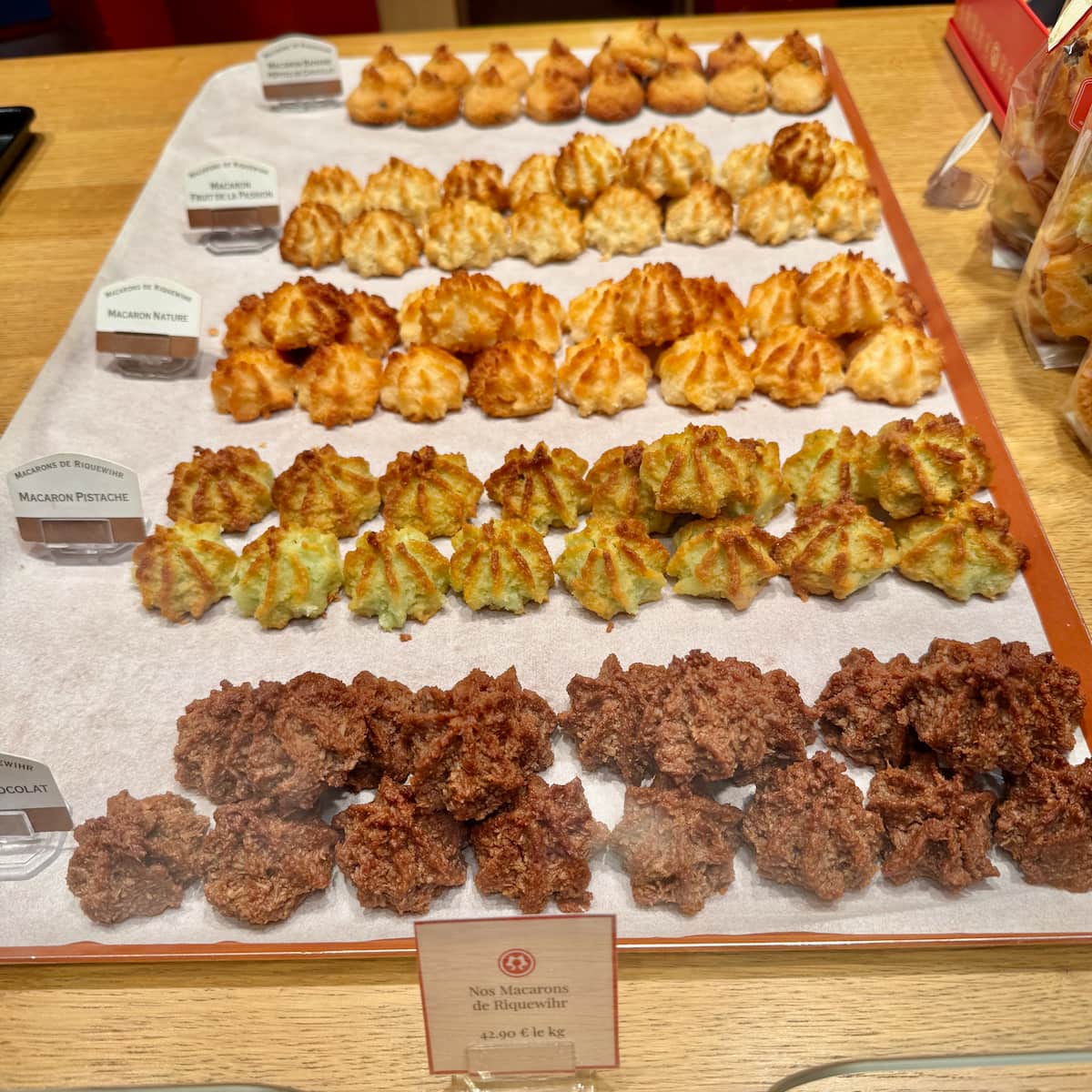
Since 1996 in Riquewihr, you can find coconut confections made with cane sugar called Macaron Coco or Kokosmakronen, shaped like little stars known as le Macaron de Riquewihr.
They also make the familiar ruffled sandwiched Parisian macaron, instead calling them Macarons Fins. So, even in France, the name can get complicated!
Other Regional Macarons in France
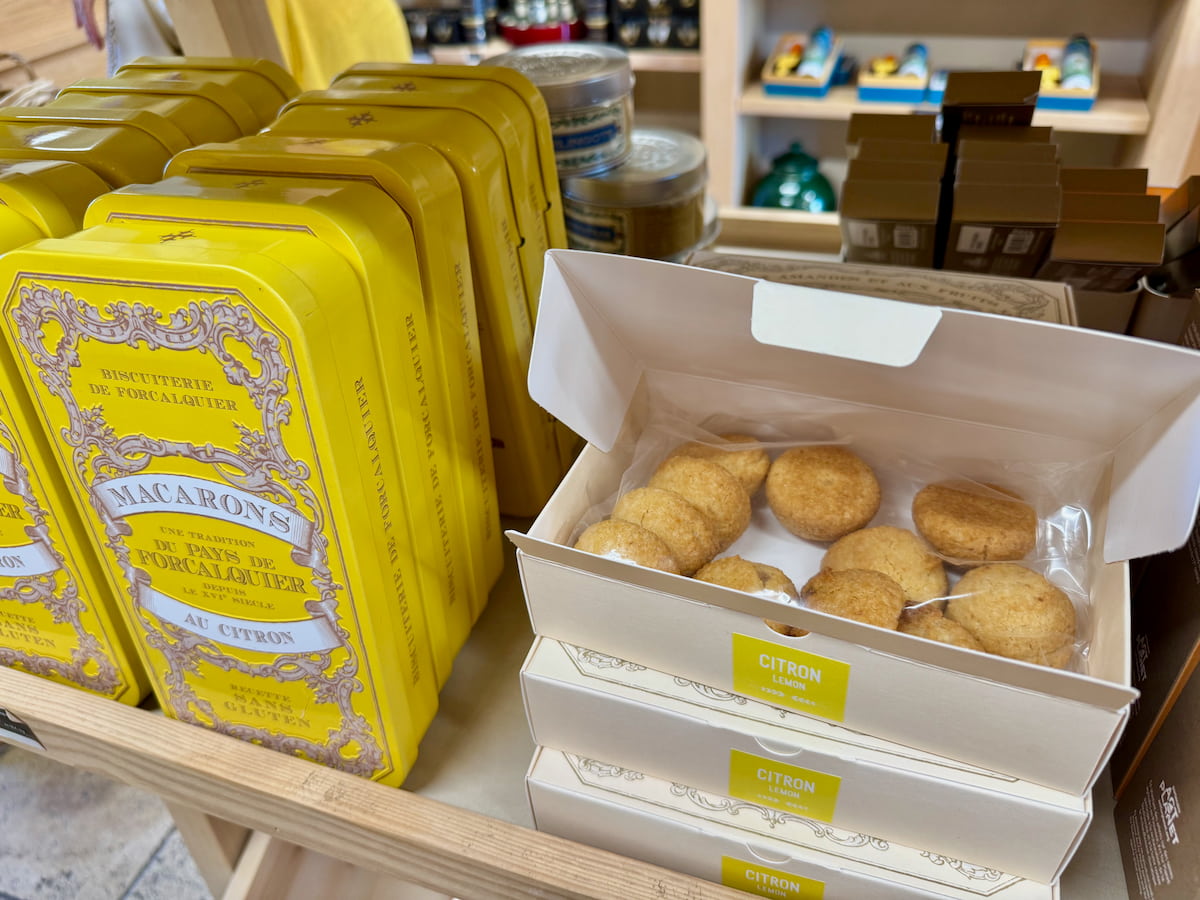
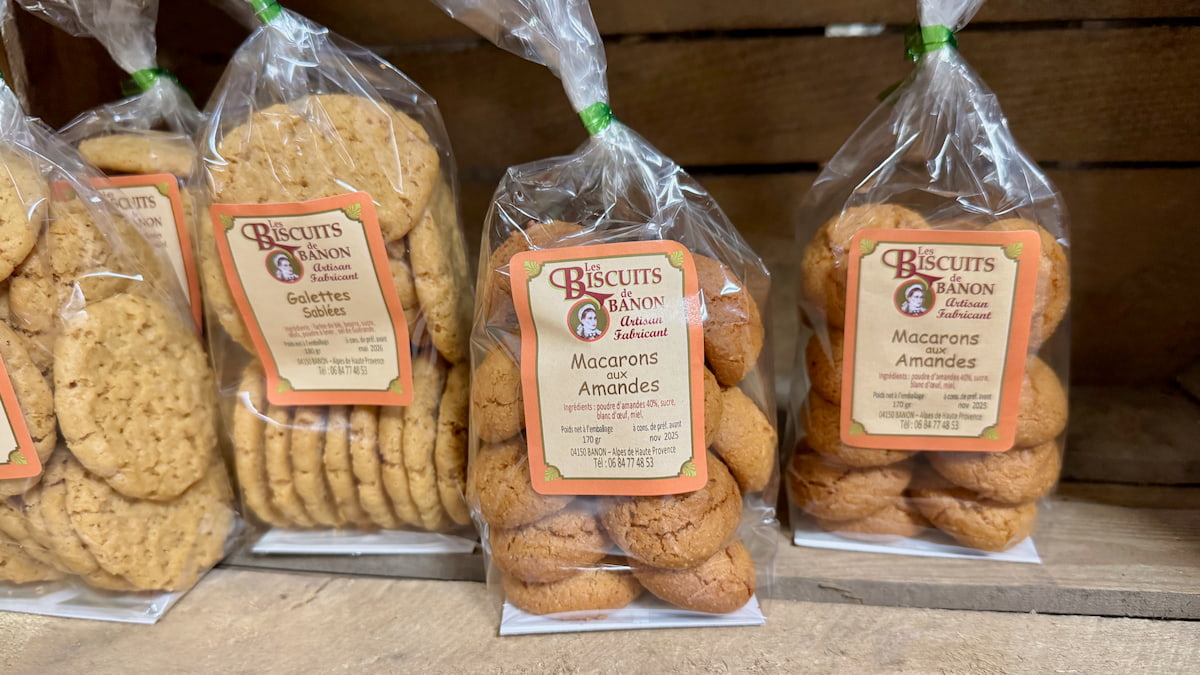
There are many more regional macaron specialities across France, including versions from Banon, Le Dorat, Saint-Croix, Chartres, Lannion, Massiac, Forcalquier - and in Sault, flour is added so not gluten free. All are almond-based, closer to biscuits, and many include honey and flavourings.
That is why the word "macaron" in France is richer and more regional than the modern Parisian version suggests. Other prize-winning and historical French regional versions continue today in:
- Boulay speciality made since the Lazard couple's recipe in 1854, Macarons de Boulay are presented in characteristic red box
- Cormery shaped like a belly button, originating at the Abbey of Cormery in 1791 (according to Larousse Gastronomique, although the town believes they were invented in the 8th century)
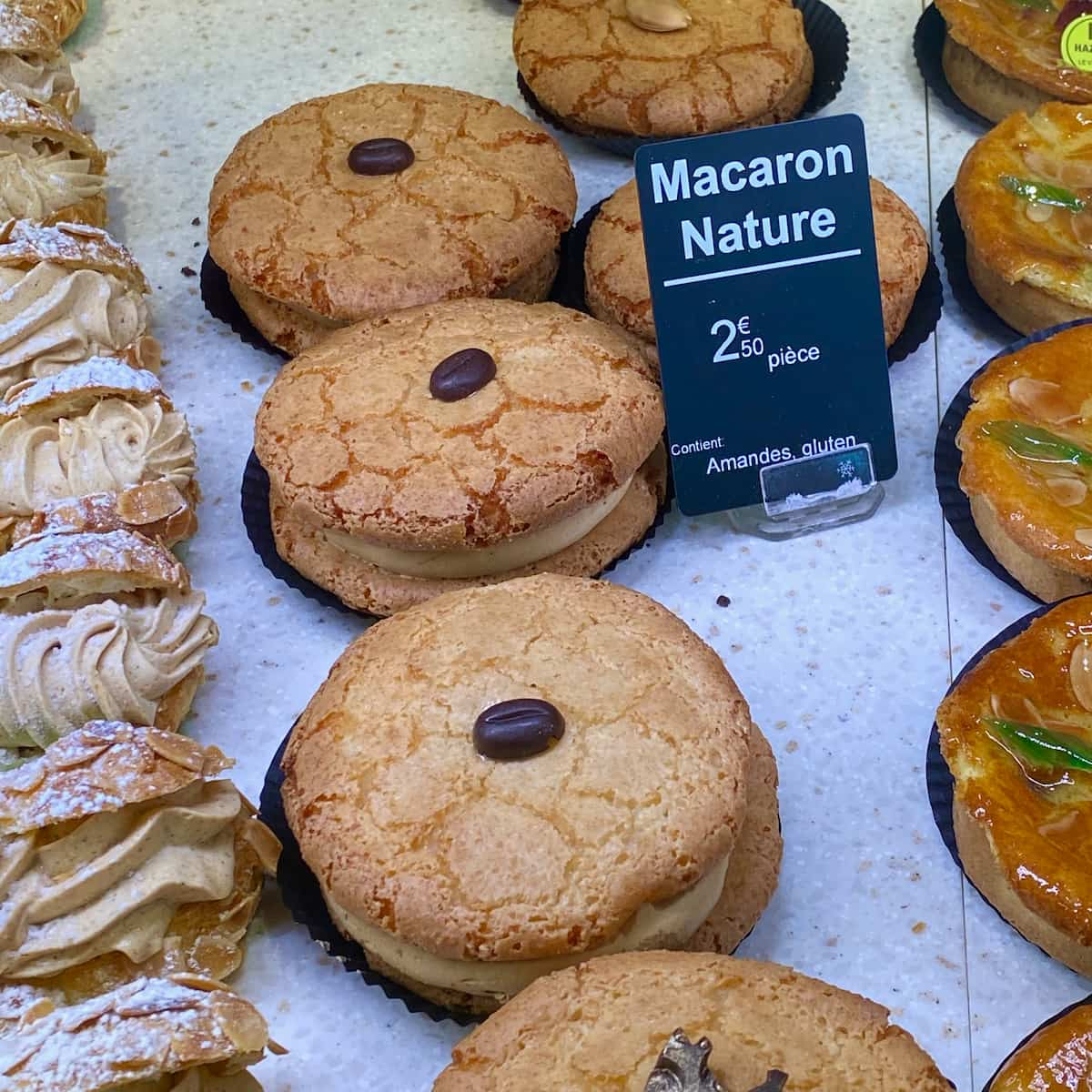
- In Picardy, Amiens macarons have marzipan, fruits and honey.
All of them guard their recipes as top secret and so to taste them, it's worth a visit to each macaron region of France. If you're in Paris, some of them can be found at La Grande Epicerie - see my post on rue du Bac.
Are Macarons Popular in France?
So, as you can see, macarons are popular in France, but in different ways.
Parisian macarons are popular in pâtisseries, luxury gift boxes and tourist areas, especially in Paris.
Regional macarons are more local. You'll find them in historic bakeries, biscuit shops, markets and towns proud of their own recipe so do try them if you're travelling.
That's what makes macarons in France so interesting. They are both a glamorous Parisian pastry and a much older regional almond biscuit tradition.
Still wondering what one extra "o" changes?
Read my guide to the difference between a Macaron vs Macaroon.
This post was first published in January 2016 as part of my post on macarons vs macaroons but is now updated to cover more regional varieties in its own right.



Christina
What a BRILLIANT post, Jill! So educational and informative because I had NO idea about all the different types of macarons! Truth be told, I think I'd prefer the older, rustic and regional macarons more than the more popular footed and filled version! Bummed I didn't try the Nancy ones when I was there, but only means I have to return, haha!
Thank you for this wonderful compilation, will be sharing!
Jill Colonna
Awe - it's a pleasure, Christina. Thanks so much for sharing! Yes, it's pretty surprising just the number of different kinds of macaron varieties there are in France. I heard tourists complain the other day looking in a shop window that the macarons were all wrong and cracked - when in fact, these regional ones are meant to be!