

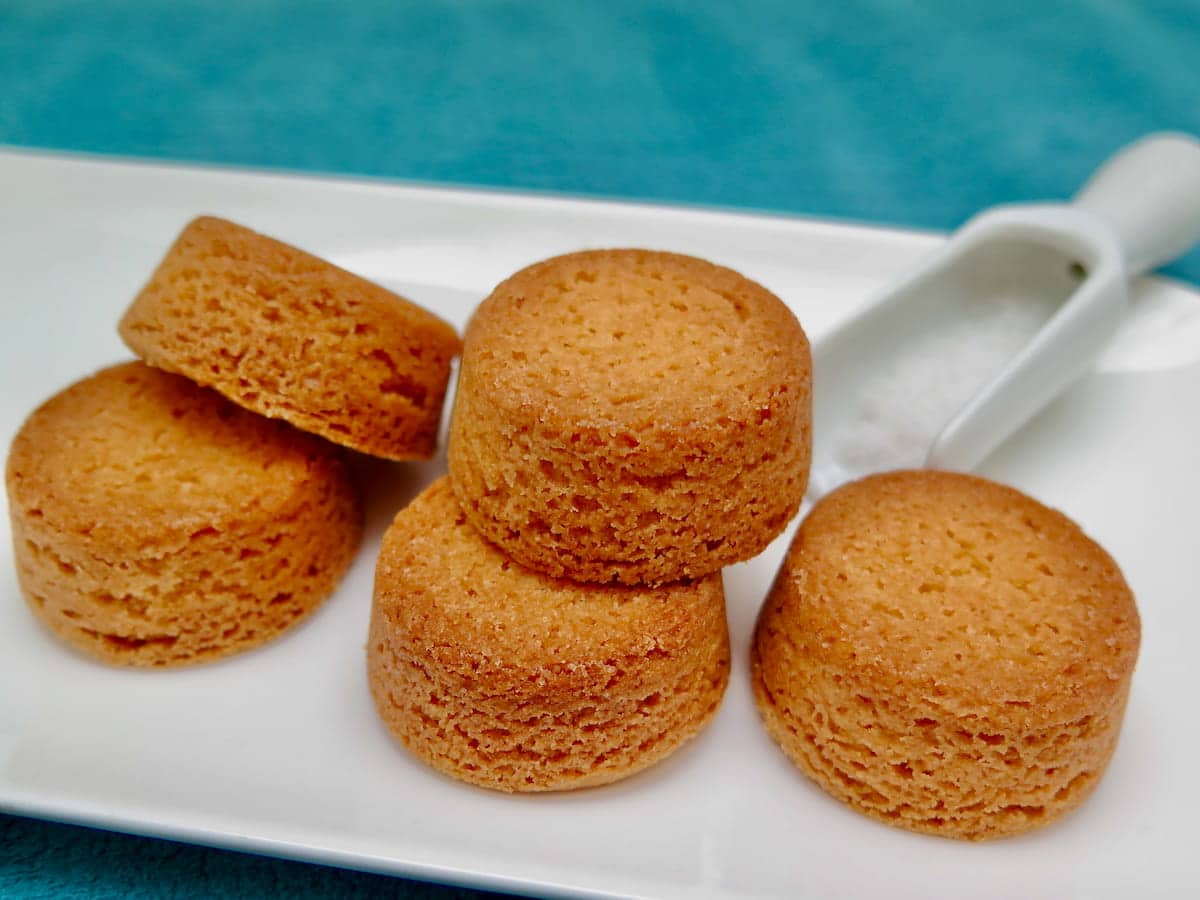
Mix just five top-quality ingredients and voilà - you've got French butter cookies. Also known as Palets Bretons, these buttery, salted biscuits from Brittany are thick and crumbly. Easy to make, they also double up as a pastry base in many elegant French desserts.
I finally got around to making these last night, Jill, and honestly, what took me so long? They were perfect with tea ... so easy and delicious! Another great recipe from you! - Betty
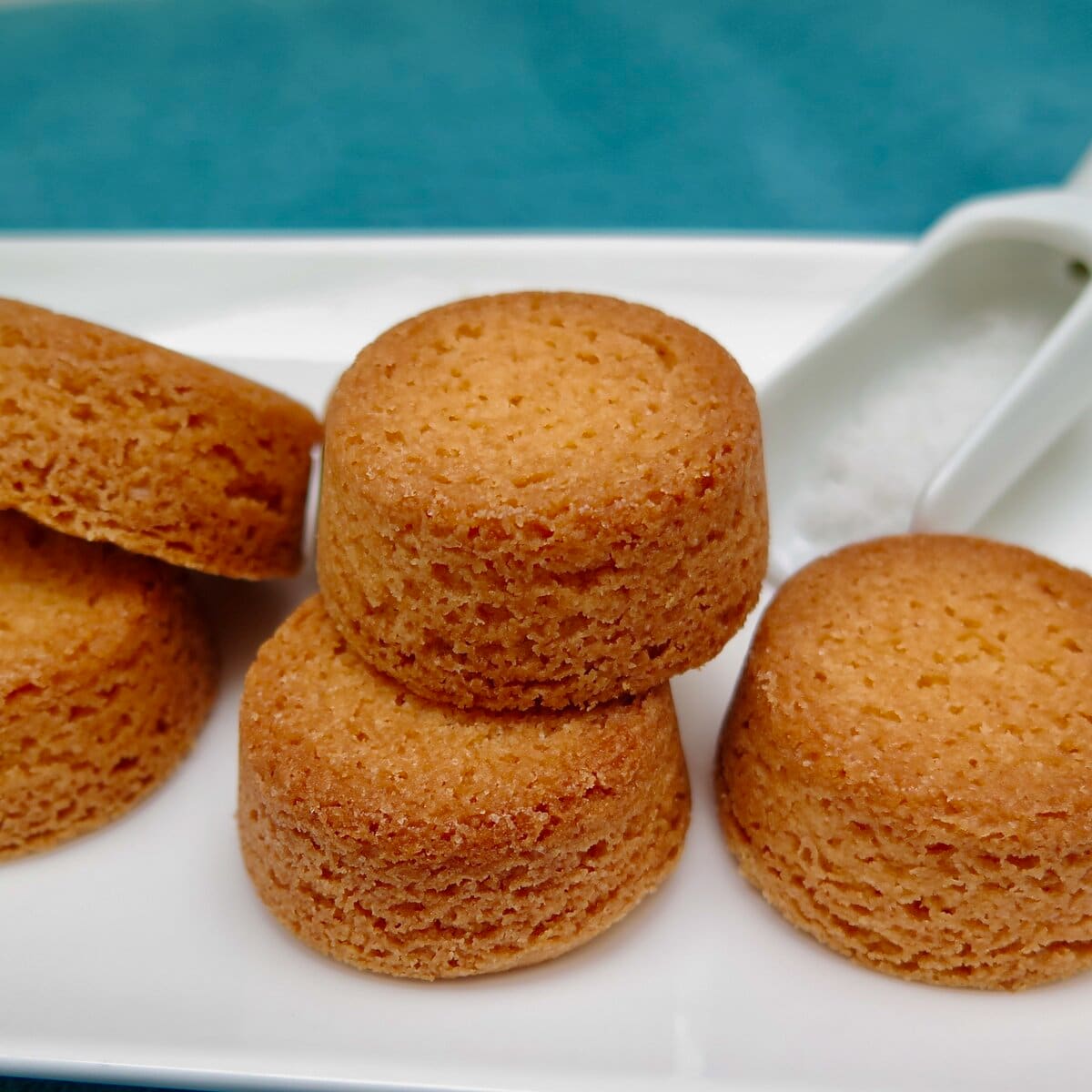
What are French Butter Cookies?
French butter cookies are classic Breton biscuits made with salted butter, egg yolks, sugar, flour, and a touch of baking powder. Known locally as Palets Bretons, they're thicker and more rustic than their delicate cousin, the Sablé Breton.
You'll find them everywhere in Brittany - from artisan bakeries to supermarket shelves - but homemade always wins. Once you taste them fresh out of the oven, I can vouch there's no going back to packaged versions! I'd say hands down that salted butter cookies are the most popular cookies in France.
A Short History of Palets Bretons
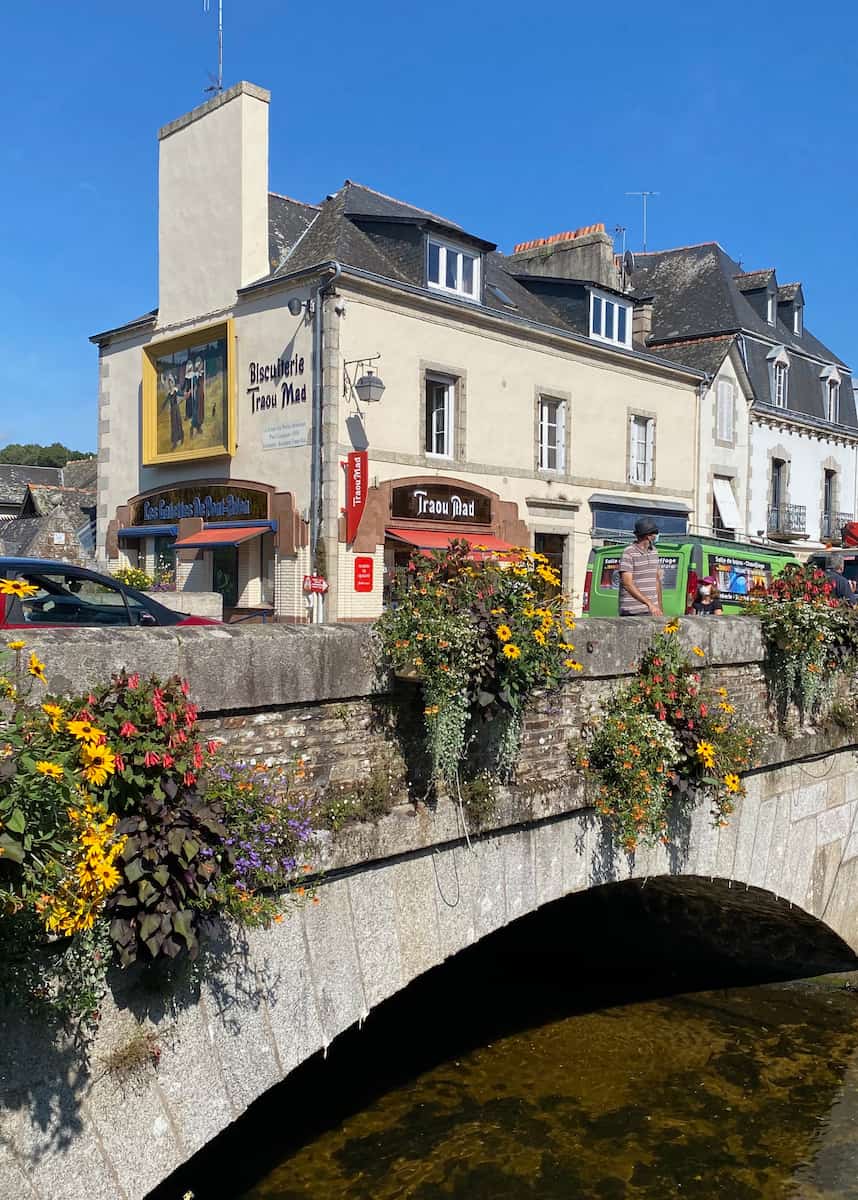
The traditional French butter cookie has a proud history in Brittany. The original Palet Breton was created in 1920 by Alexis Le Villain at Traou Mad® in Pont Aven. It's a busy, artistic town; when we've been in summer, there are queues for them in all the local bakeries!
Other great authentic brands include the Biscuiterie des Vénètes from the Morbihan, Brittany. Their cookies stand out with less sugar, more salt, and deep, buttery flavour.
Flying to France? You might have nibbled on a La Mère Poulard biscuit - often slipped into French airline snack packs as your introduction to butter biscuits. It's the rich, salty-sweet buttery flavour that makes them so addictive. Just try stopping at one!
Sablés Breton vs. Palets Bretons: What's the Difference?
Both are made with salted French butter, flour and yolks - but their texture and thickness set them apart:
- Sablés Bretons: Thin, delicate biscuits with a shiny yolk glaze, no baking powder and often finished with a criss-cross pattern. They crumble beautifully: sablé means 'sand' in French, describing their melt-in-the-mouth texture.
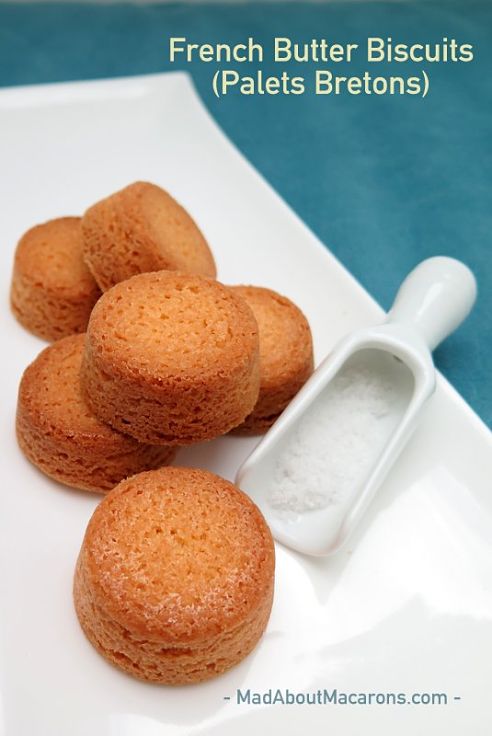
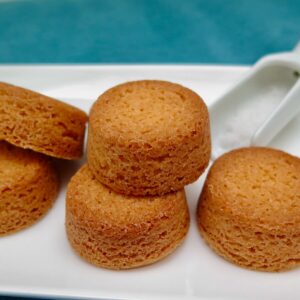
- Palets Bretons; Thicker (around 1.5cm), slightly airy thanks to baking powder, with a rustic look and crumbly texture. They look like iron disks (palets) from the Breton game Le Palet Breton, hence why they got their name.
Want to make Sablés Bretons instead? Use the exact recipe but skip the baking powder, roll the dough thinner and reduce the baking time. Voilà - instant Sablés.
Best Butter for Traditional French Butter Biscuits
The secret to any great French butter cookie is, unsurprisingly, the butter.
Authentic Palets Bretons use a generous amount (about 20%) of high-quality salted butter from Brittany, on France's North Coast.
In Brittany, bakers use salted butter with at least 82% butterfat. This gives that trademark salty-sweet flavour and a light, crumbly texture. If you can find French or European-style butter, use it for the best results.
Otherwise, add a good pinch of flaky sea salt (like fleur de sel from the Guérande, Maldon or Celtic sea salt) to the best unsalted butter you can find.
Avoid margarine or (low-fat) spreads - they'll ruin the texture and flavour.
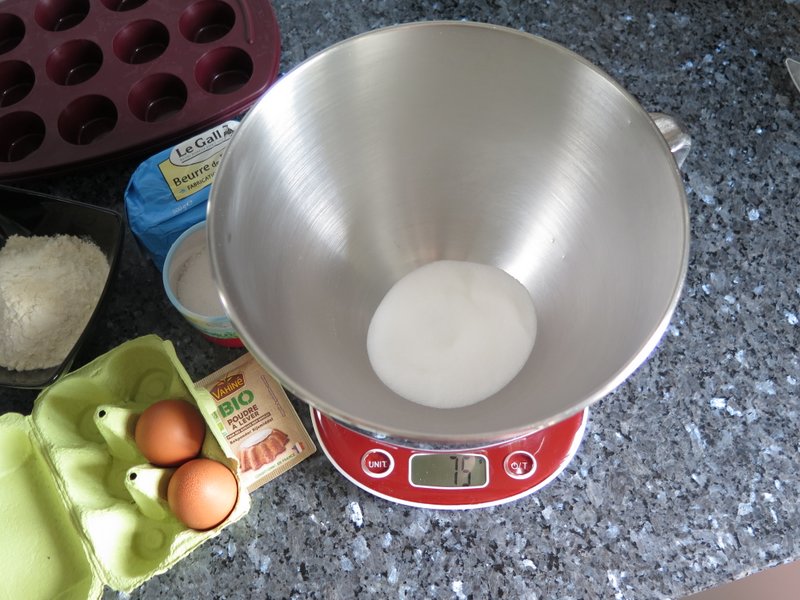
Ingredients for Authentic Salted Butter Cookies
Palets Bretons need just a few simple ingredients:
- Good-quality salted butter (softened)
- Egg yolks
- Sugar
- Plain or all-purpose flour
- Baking powder
Note: Palets Bretons do not contain buckwheat flour. That's for savoury Galettes, the famous Breton savoury buckwheat crêpes, not these buttery biscuits.
For a savoury variation, try my cheese sablés - mini salted butter cookies that are great for a French apéritif.
How to Make French Butter Cookies (Palets Bretons)
Forget fancy pastry rings. This easy method is quicker and foolproof:
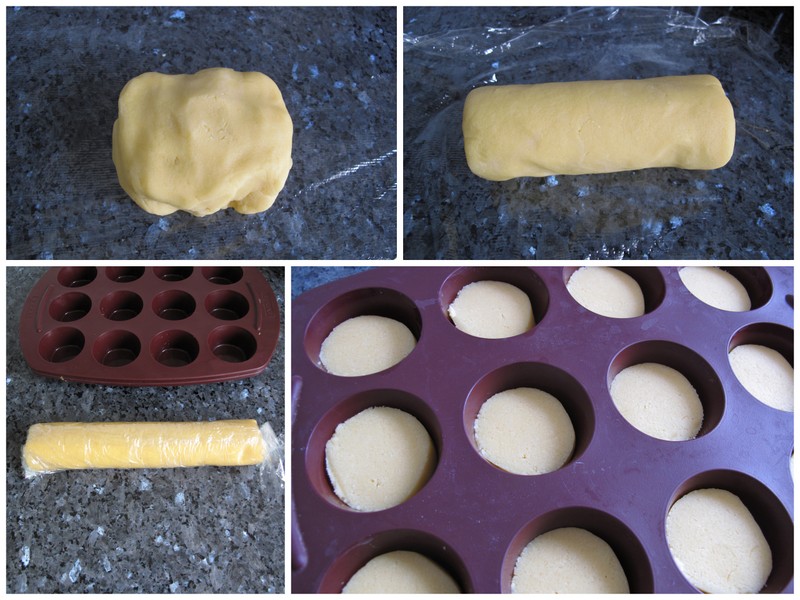
- Mix softened butter, sugar, egg yolks, flour & baking powder into a soft cookie dough either by hand or in a stand mixer at medium speed.
- Shape into a sausage and chill for 30 minutes.
- Slice rounds like shortbread cookies and place in unbuttered muffin moulds on a baking tray.
- Bake in a preheated oven at 180°C (350°F) for 18-20 minutes until golden.
Using muffin tins keeps the cookies perfectly round and gives them that classic thick Palet Breton shape.
This recipe makes about 10 large French butter cookies (around 156 calories each).
Prefer mini versions? Use mini muffin moulds - or double the recipe for more if you like the bigger size.
Storage and Freezing
Wrap the dough log in plastic wrap and freeze for up to a month. Defrost from the freezer to the fridge overnight before slicing and baking as needed.
My Top Tips for Baking Palets Bretons
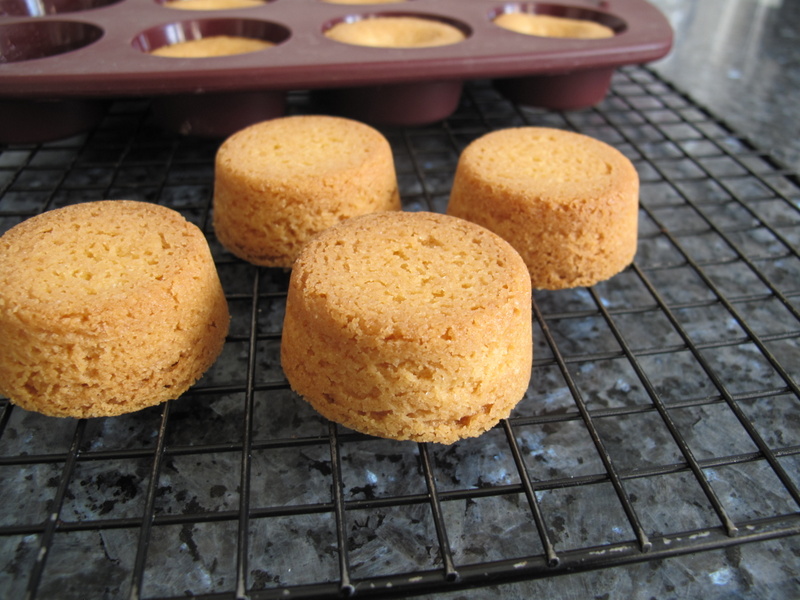
Avoid bitter biscuits! French butter cookies are delicate - so don't overbake them. Check them around 15 minutes. If they're golden, they're done. Let them cool in the moulds for a few minutes, then lift them out onto a wire rack.
Use an oven thermometer if your oven tends to run hot - it makes all the difference.
How to Serve French Butter Cookies
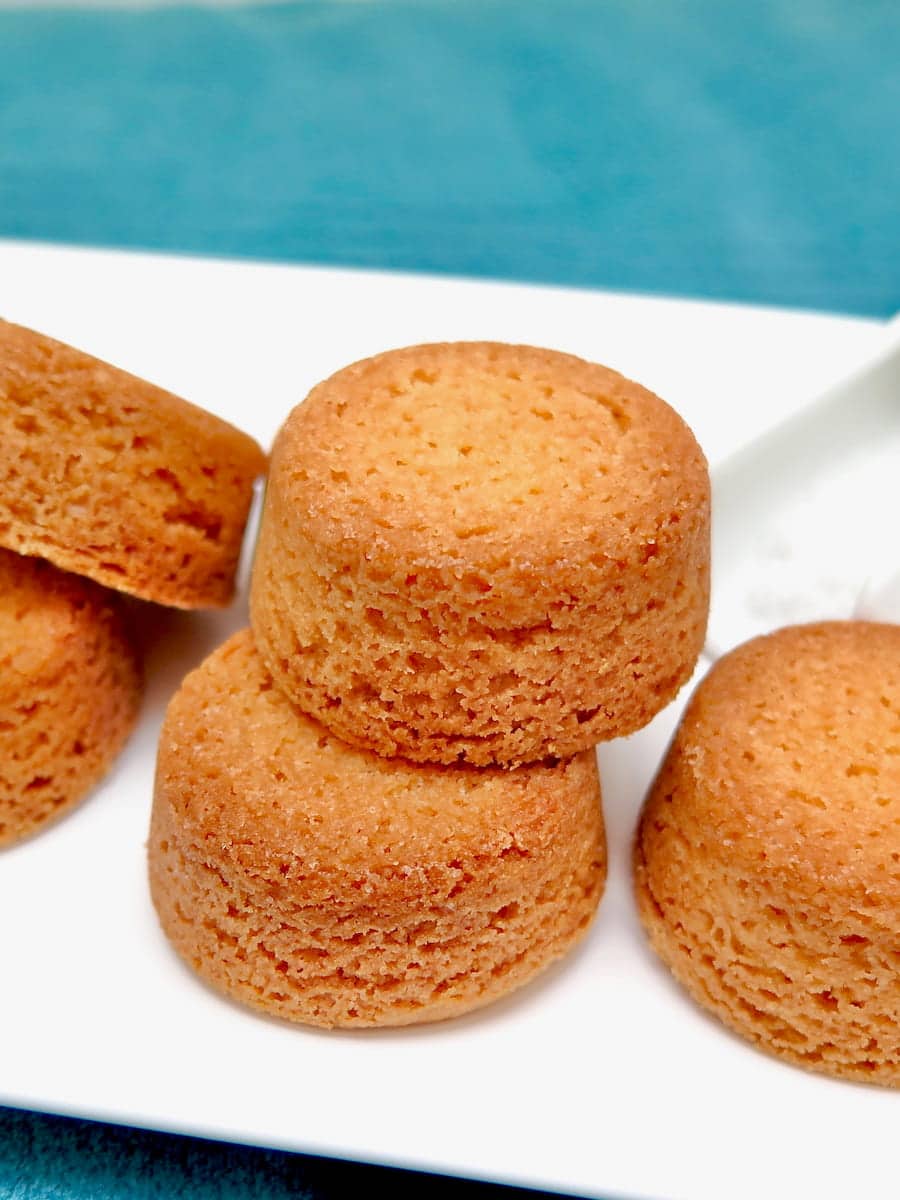
These salted butter cookies are best enjoyed as they are - no vanilla, lemon zest, or cinnamon needed. I prefer their pure flavour of good salted butter.
Serve them:
- Simply solo with a pot of tea or espresso at Teatime or French goûter (you've been warned, they're addictive)
- desserts such as crème caramel, chocolate crème brûlée, or
- enjoy with rice pudding topped with crunchy nougatine.
- Topped with a macaron shell from my salted caramel macarons recipe - à la Brittany.
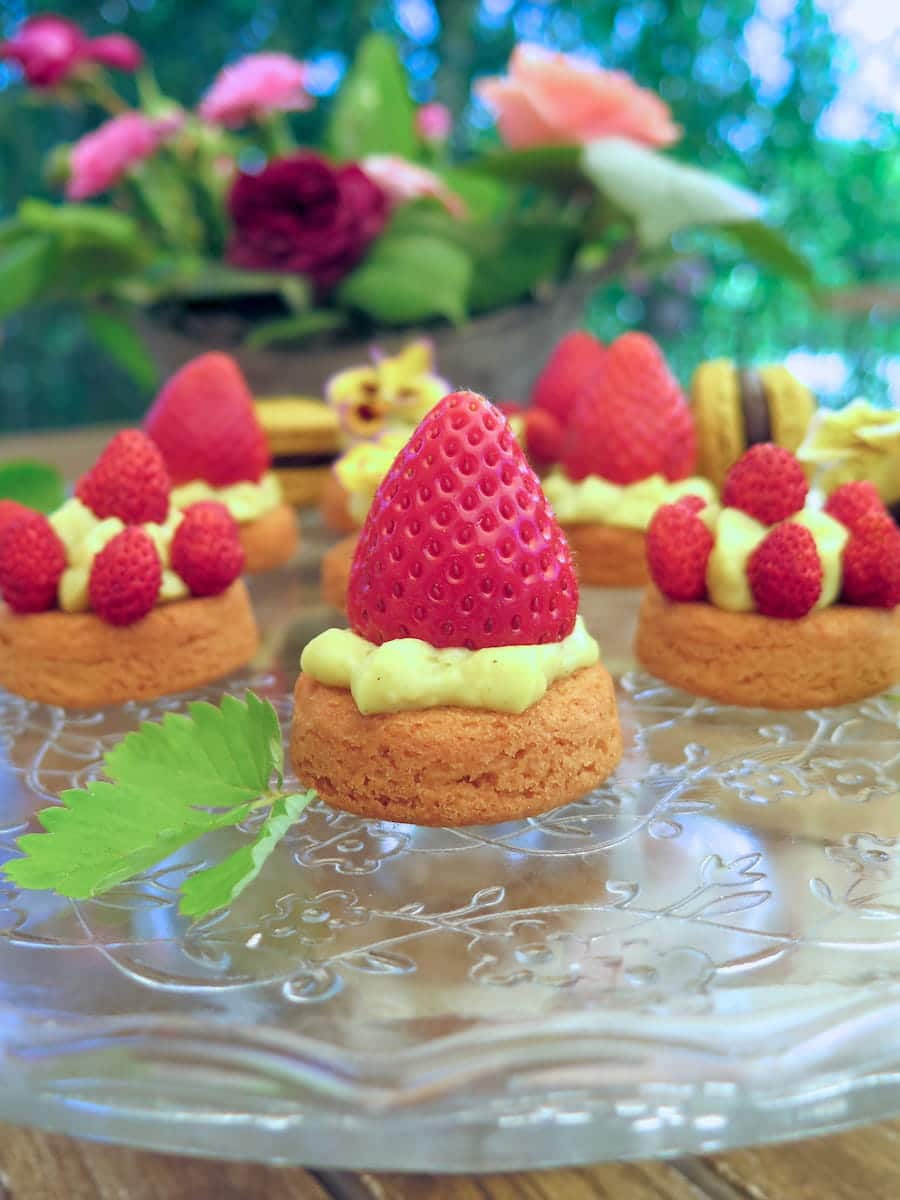
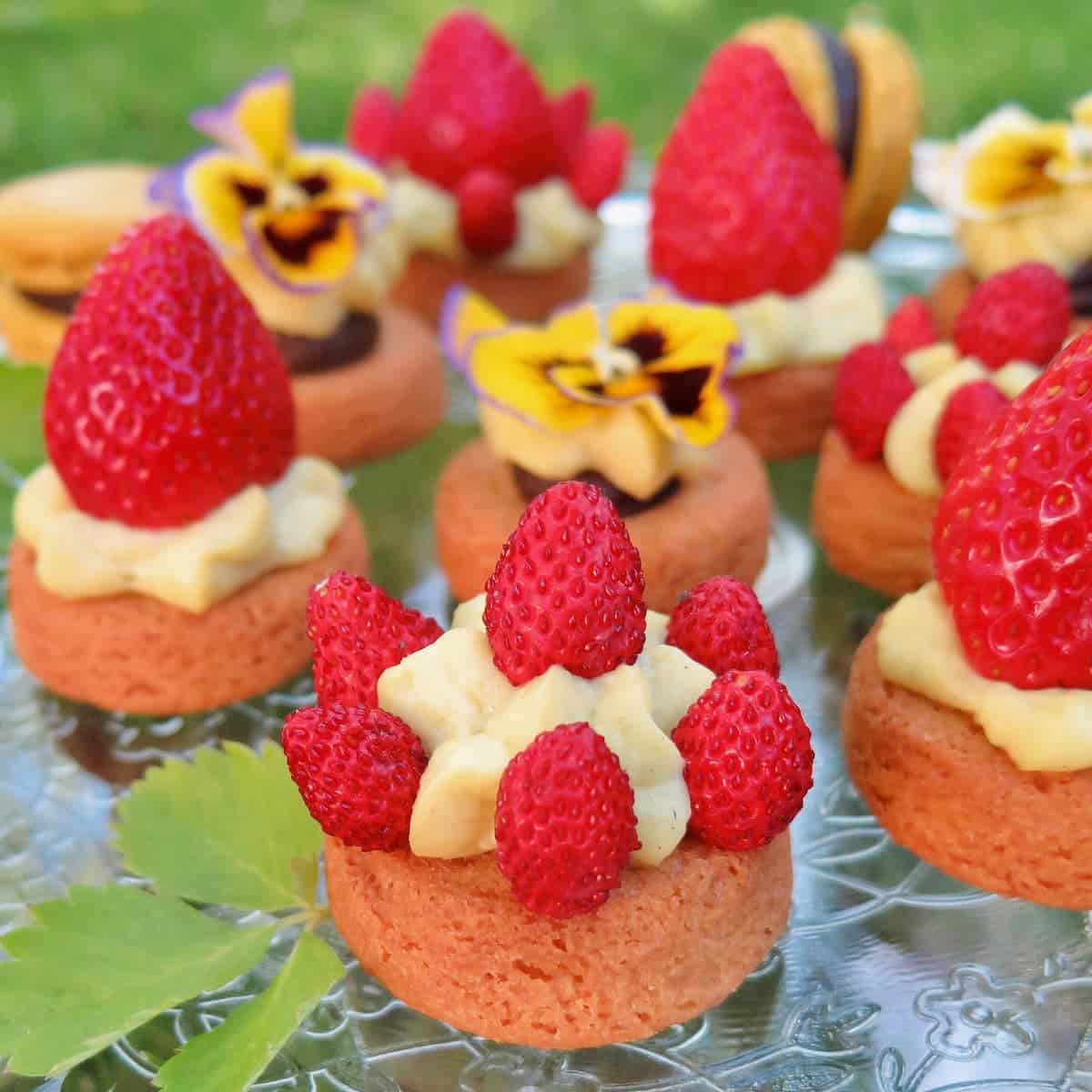
Use Palets Bretons as a French Pastry Base
French pâtisseries often use these butter cookies as a sturdy base for elegant desserts. Try topping them with:
What to Do with Leftover Egg Whites?
You'll have 2 egg whites left from this recipe - don't waste them! Here are a few ideas, including more egg white recipes:
- financier teacakes
- coconut macaroons (rochers coco)
- tuiles (French almond cookies)
Store egg whites in a sealed jar in the fridge for up to 5 days or freeze them for later.
French Butter Cookies (Palets Bretons)

Equipment
- mini muffin moulds 20-cavity
- Electric whisk optional
Ingredients
- 90 g (3oz/½ cup) butter (unsalted)* at room temperature
- 75 g (2.5oz/ ⅓ cup) sugar
- ¼ teaspoon salt (fleur de sel) omit if using good quality French salted butter
- 2 egg yolks organic
- 125 g (4oz/1 cup) Plain flour (all-purpose)
- ½ teaspoon baking powder
Instructions
- Using a mixer, beat together the softened butter, sugar and salt until light and creamy. Mix in the egg yolks then the flour and baking powder until a lovely soft dough forms.(If you don’t have a stand mixer or electric whisk, this can be done by hand in a large bowl).
- Using the palm of your hands, roll the dough back and forward to create a sausage shape until the diameter is the size of your moulds (here I used mini muffin silicone moulds @5cm diameter). Wrap in cling film and chill in the fridge for at least 30 minutes to set the sausage shape.
- Meanwhile, preheat oven to 180°C/360°F (160°C fan/gas mark 4).
- Cut disks of 1.5cm (¾ inch) and press them into the muffin moulds (unbuttered - there's enough butter in the biscuits!)
- Bake in the oven for about 20 minutes or until golden brown.
- Leave to cool in the moulds then turn them out on to a baking rack, pretty side up.
Video
Notes
Also delicious topped with chocolate mousse, Chantilly cream and strawberries. Measures: Please note that all my recipes are best made using digital kitchen scales in precise metric grams. Both ounces (and cups) are given as a guide.
If you love butter biscuits like these,
then try this buttery gluten-free shortbread.
This recipe was originally published 10 April 2016. Now updated to include its accompanying recipe video.


