

What's the difference between macarons and macaroons? Despite their similar names and shared ingredients, these two treats have distinct characteristics that set them apart. So read on if you've ever been confused.
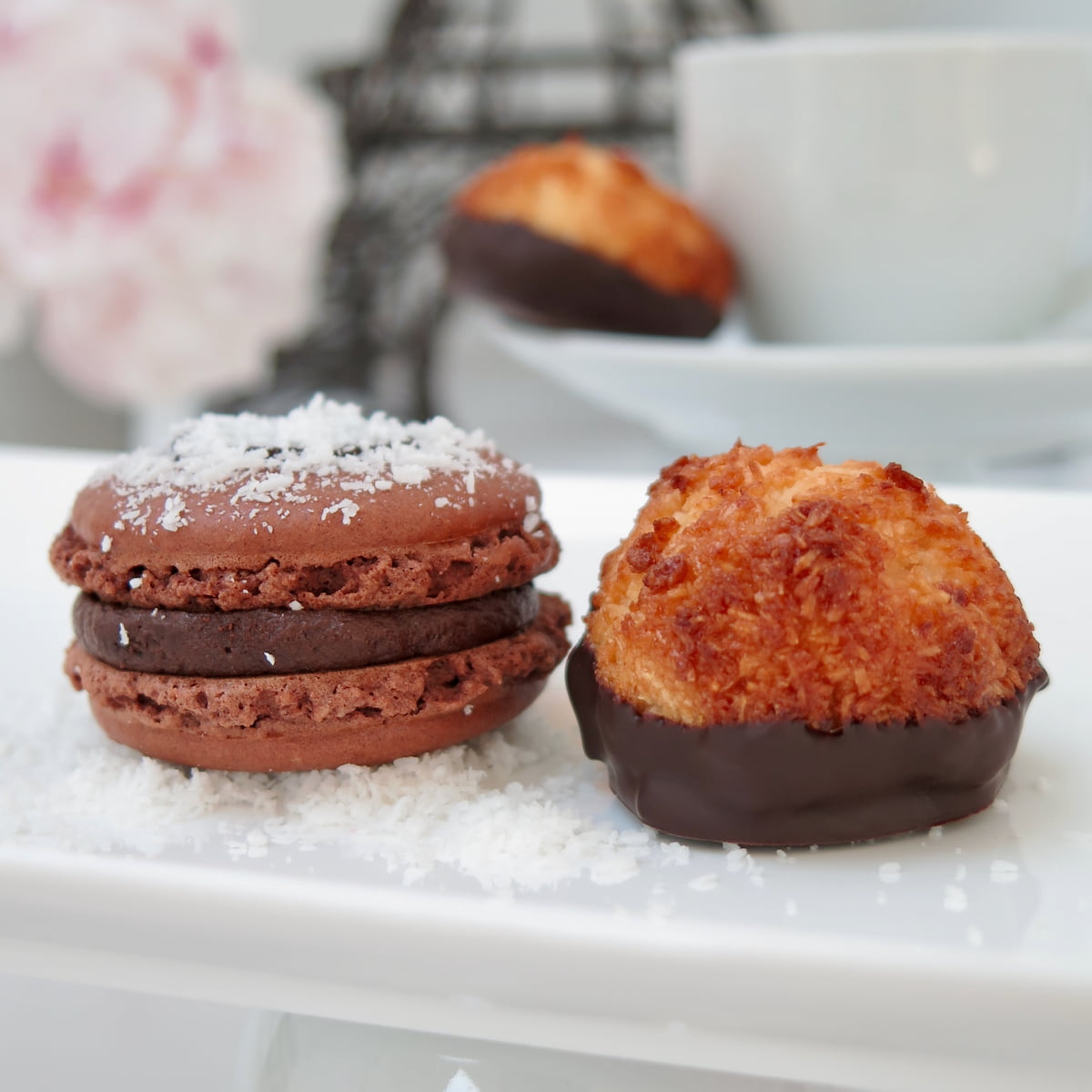
Macarons vs Macaroons: One Extra "O" Makes a Difference
The mix-up between macarons and macaroons often begins with pronunciation or translation.
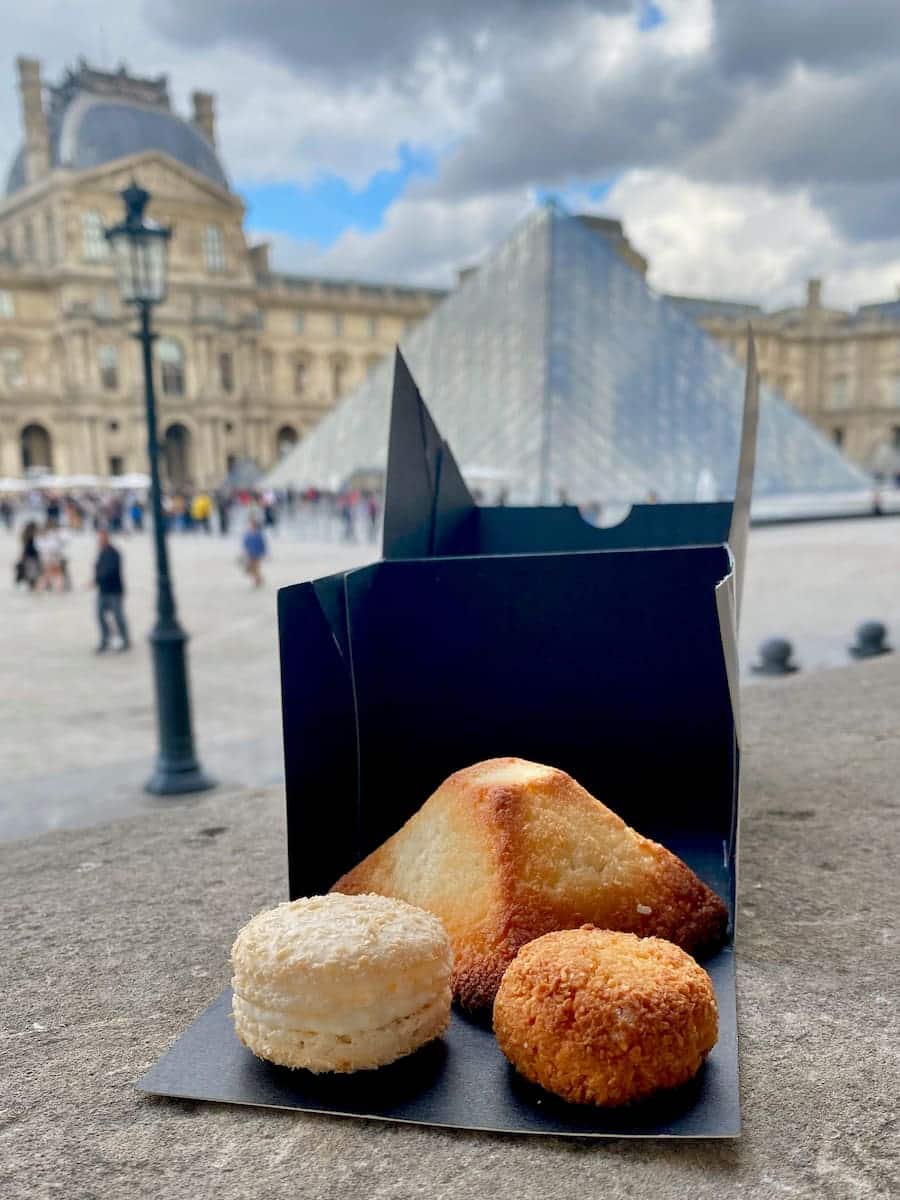
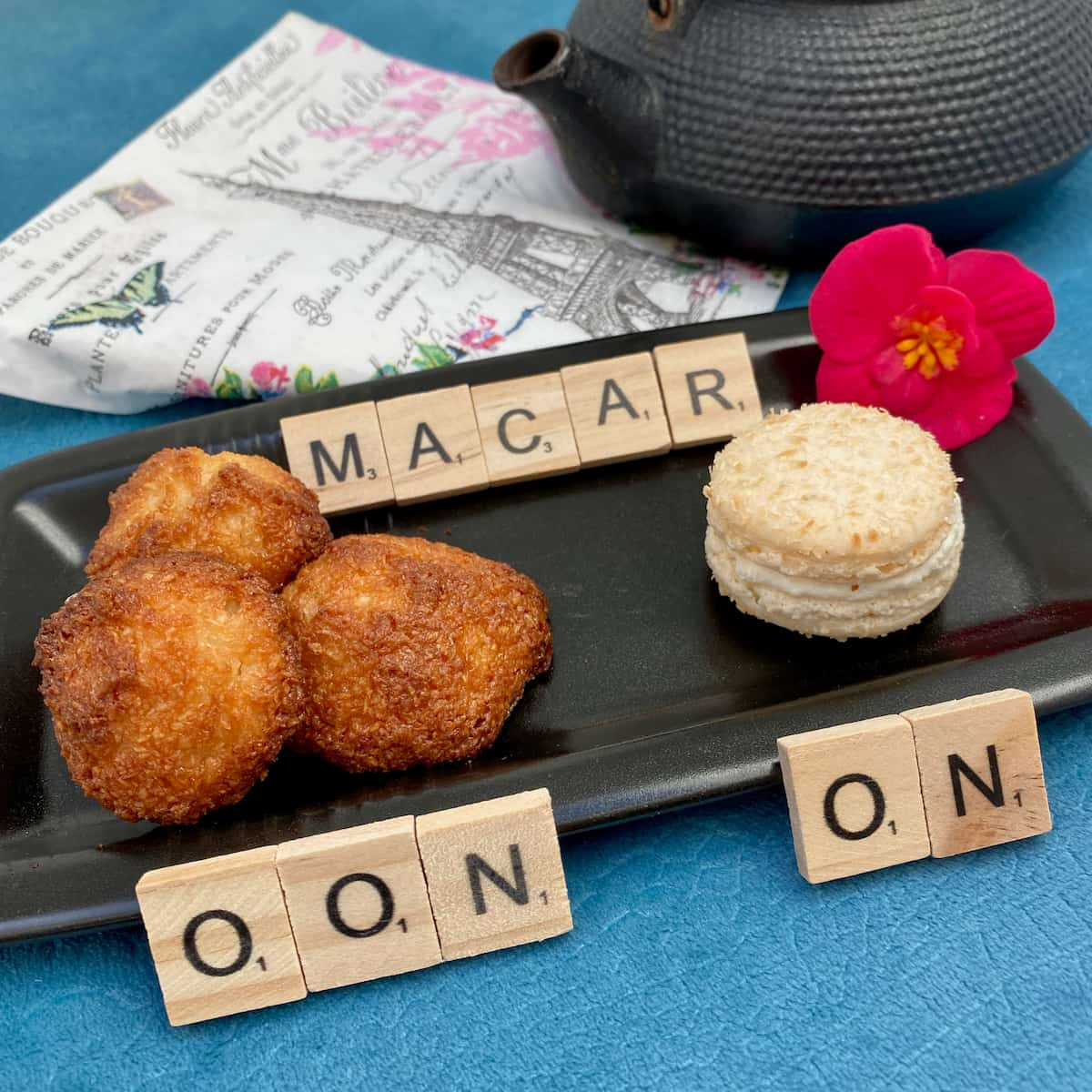
In English today, "macaron" usually means the delicate French almond sandwich cookie with smooth shells and ruffled feet. "Macaroon" usually means a coconut cookie.
But the confusion has followed me for years - whether it's on a top tearoom menu in Paris or on supermarket packaging around the world.
Even a top UK bookshop turned down stocking my first book, simply because they expected "Macaroons" in the title.
Perhaps I'm mad about them, but the Parisian macaron is one of France's great pastry ambassadors. Its name deserves to be defended.
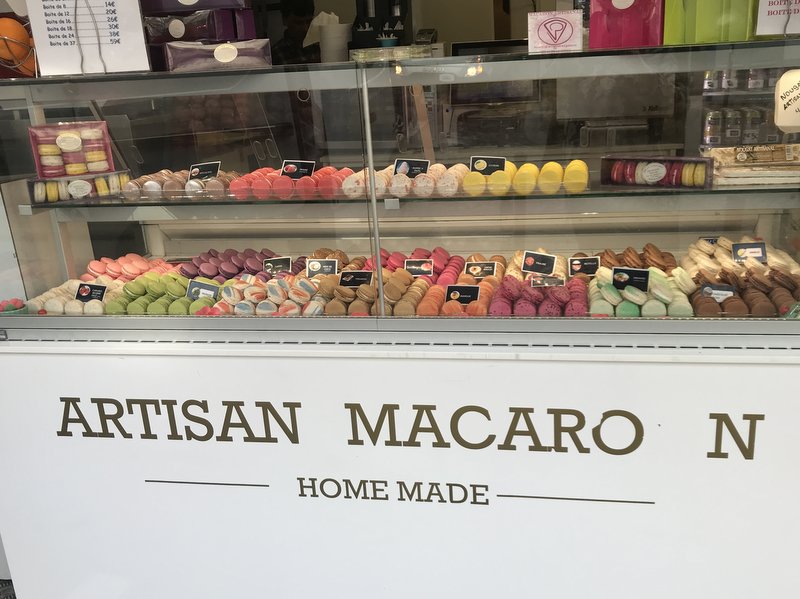
What is a Macaron?
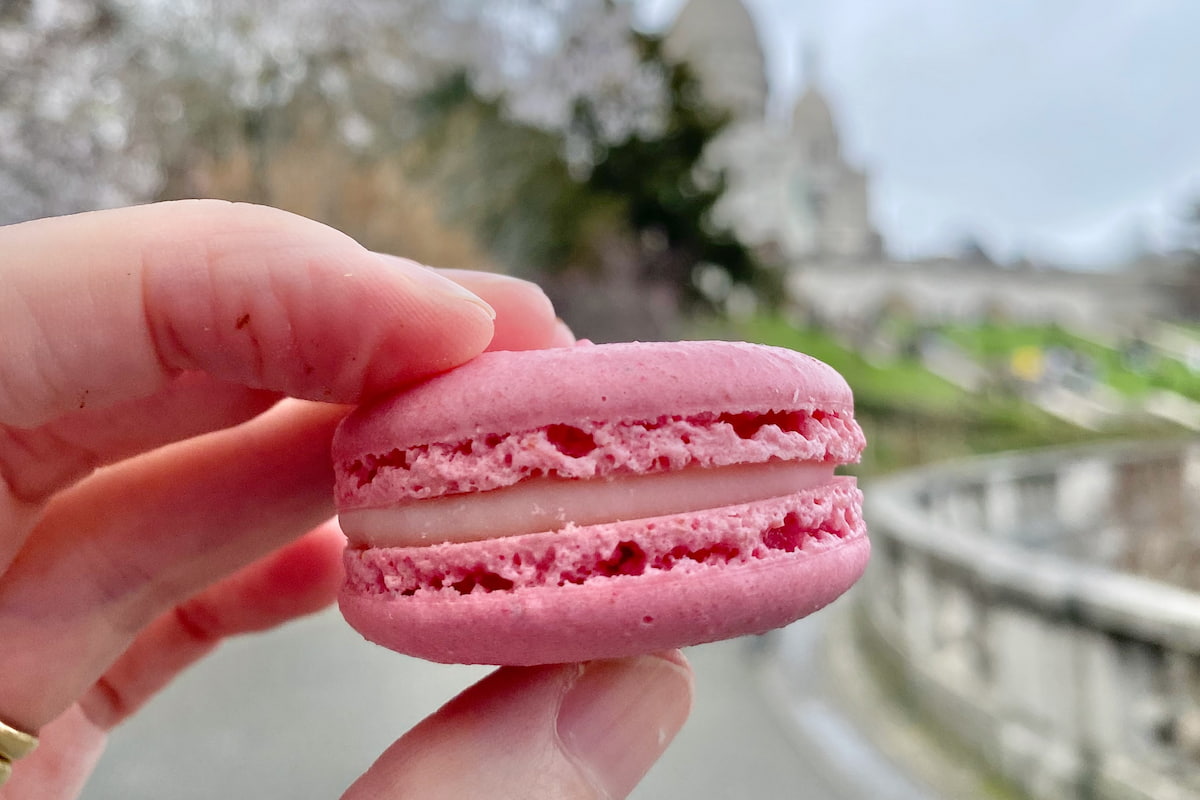
A macaron is an almond-based meringue cookie made with egg whites, sugar and ground almonds. To get the perfect round shape, the batter is piped out using a piping or pastry bag with a plain tip.
The Parisian version has two smooth shells, a little ruffled foot (pied) and sandwiched together with a creamy filling. That filling can be chocolate ganache, jam, fruit curd, buttercream or salted caramel.
This is the kind of macaron you see in Paris pâtisseries. It's a delicate cookie, often colourful and usually sold in classic flavours such as vanilla raspberry, chocolate, pistachio, coffee, lemon, rose or caramel.
The best ones in Paris should not just taste of sugar. They should taste clearly of their main flavour.
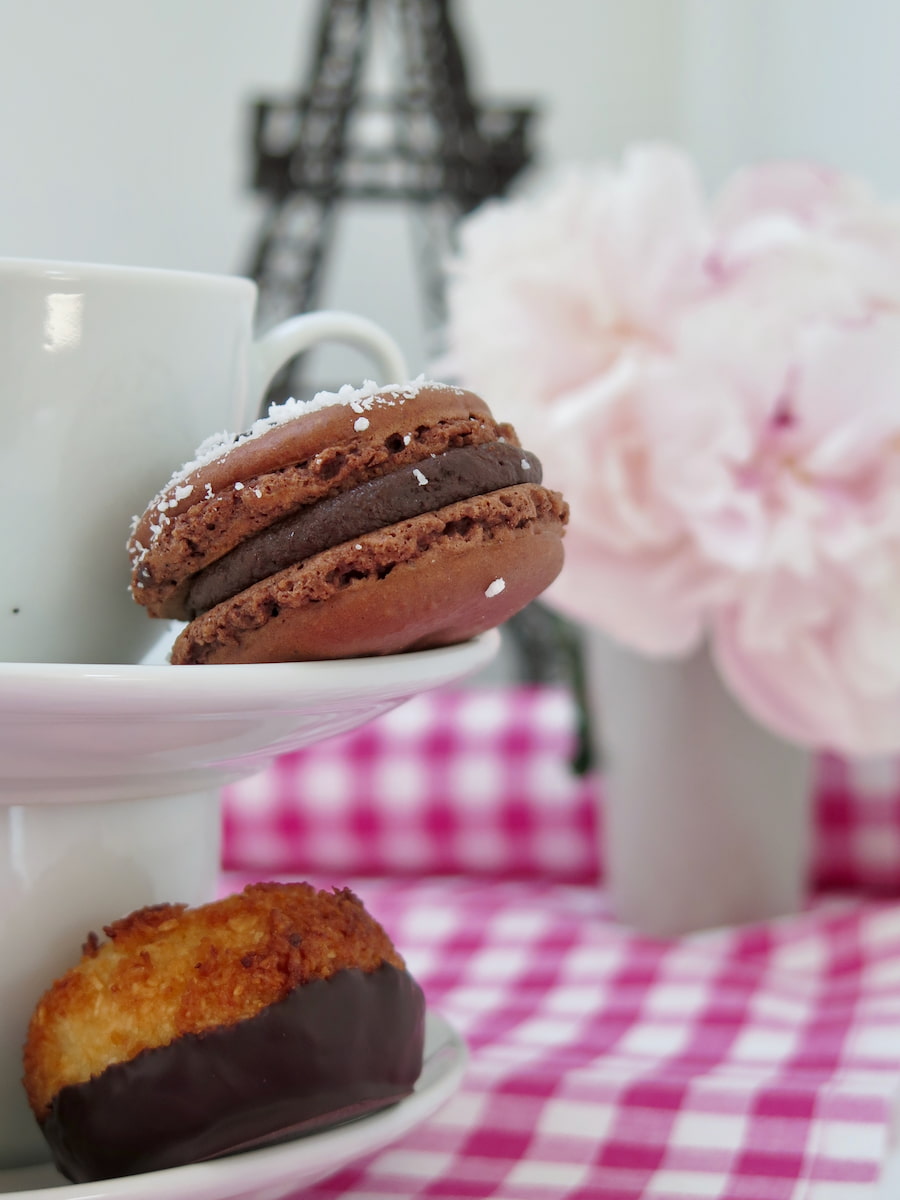
What is a Macaroon?
A macaroon is usually a coconut-based cookie made with shredded coconut, egg whites and sugar - even a little honey with a slightly chewy texture.
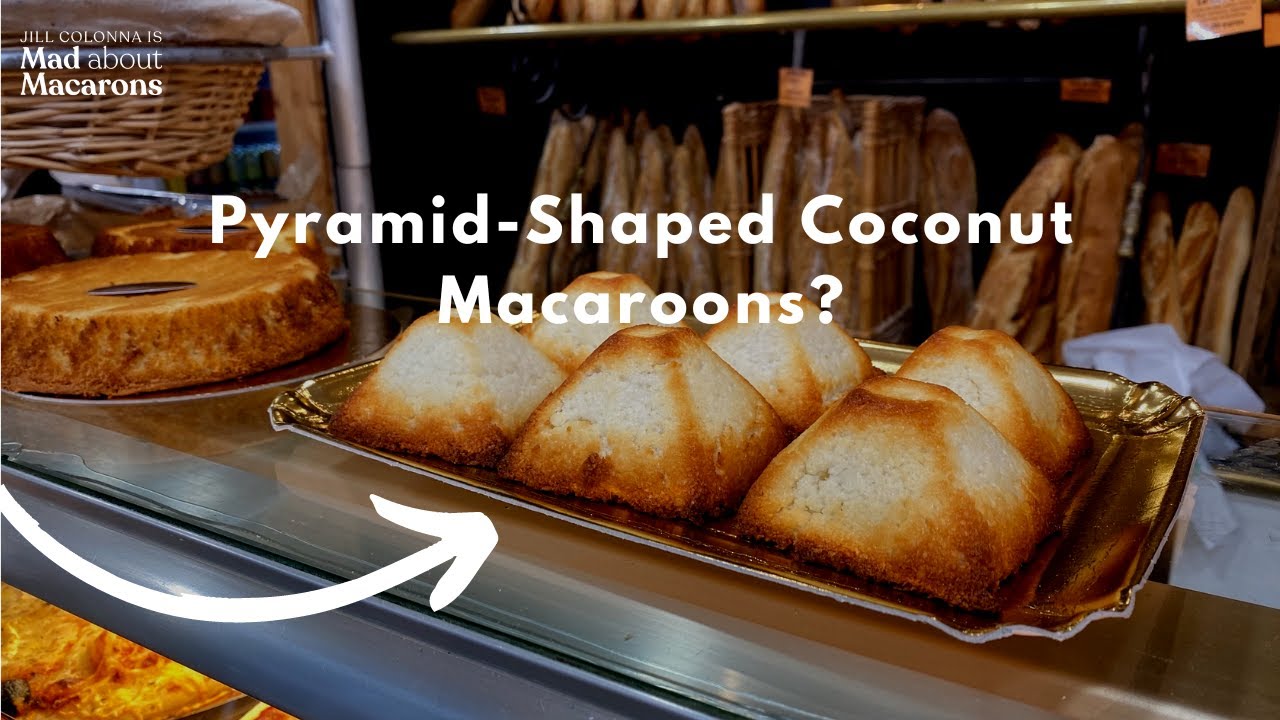
In France, coconut macaroons are called rochers coco (previously congolais) as their small mounds resemble rocks. They are also shaped into little pyramids, domes or stars, and they are much quicker and easier to make than Parisian macarons. Usually they are shaped using a spoon or rolling - and for pyramids we use moulds.
There is no drying time, no ruffled foot, no careful macaronage and no delicate sandwich filling. You simply mix, shape and bake.
It's not clear when macaroons were created. It makes sense that coconut was only added around the 1800s when coconut was brought from the Far East.
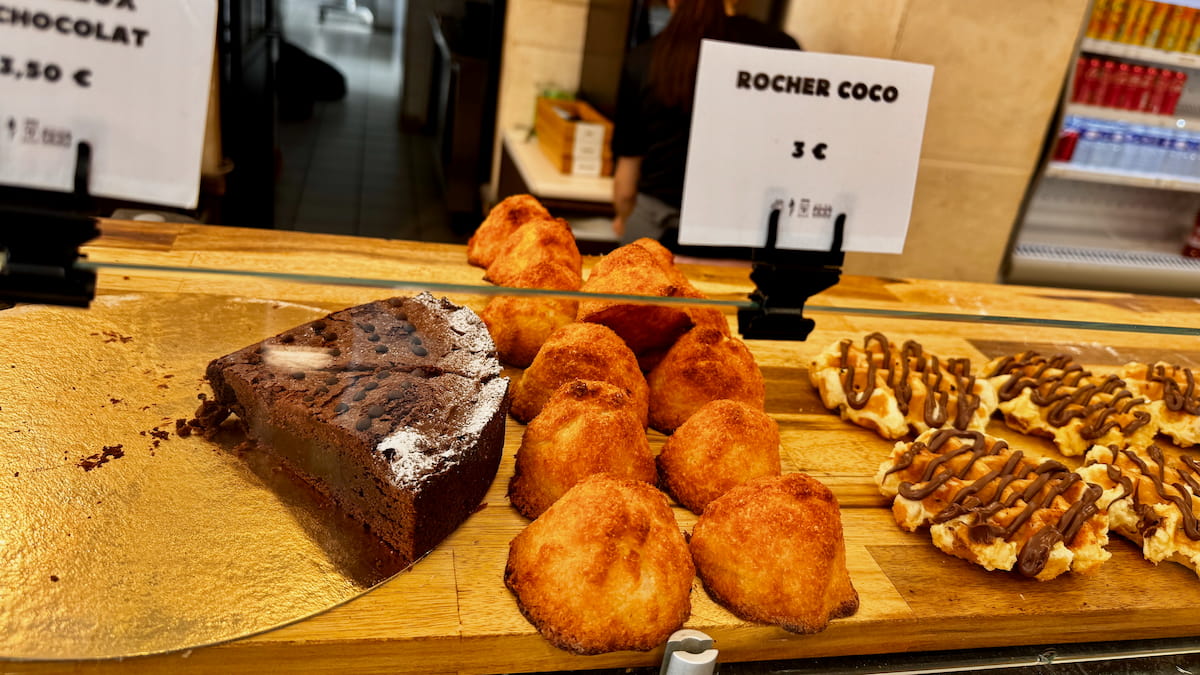
When Macaroons Become Macarons
Just when the difference seems simple, France complicates the whole saga.
Since 1996, bakers in Alsace make Kokosmakronen, a coconut confection with cane sugar, calling it Le Macaron Coco. They are piped into a star shape, known as le Macaron de Riquewihr.
The same bakery also makes the familiar ruffled sandwiched Parisian macaron, but calls them Macarons Fins.
So yes, even in France, the words can overlap. That is why I usually explain it like this:
- Macaron: usually an almond-based French meringue cookie, especially the Parisian sandwich style.
- Macaroon: usually a coconut-based cookie.
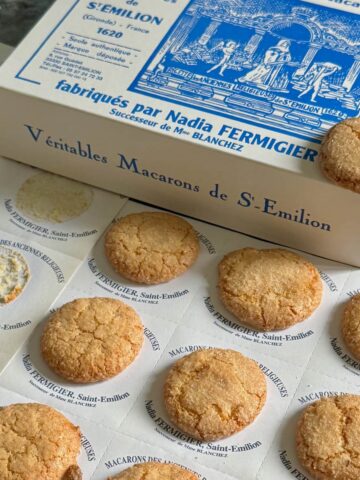
- Regional French macaron: an older almond biscuit tradition, often rustic and without filling.
For more on the regional versions,
see my guide to Types of Macarons in France.
Are They Gluten-Free?
Both macarons and macaroons are usually both gluten-free - but not always.
- Parisian macarons are usually naturally gluten-free because they are made with almond flour, egg whites and sugar.
- Coconut macaroons are also usually gluten-free because they are made with coconut, egg whites and sugar/honey.
However, some traditional regional French macarons may contain flour, so always check the ingredients if gluten is an issue.
A Brief History of the Macaron
The French macaron has a long history from the Renaissance, but the modern Parisian version came much later.
The older macaron was closer to an almond biscuit made with ground almonds, egg whites and sugar. The word is linked to the Italian maccherone or macarone, meaning a fine paste or something crushed. Catherine de Medici and her chefs brought it from Italy when she married the future King of France in 1533, Henri II.
These almond biscuits gradually spread through France, where different towns created their own local versions.
The filled Parisian macaron - two shells sandwiched together with a soft filling - is much more recent.
It is often credited to Pierre Desfontaines, a relation of Louis Ernest Ladurée, in the early 20th century, although food history is rarely as neat as one person inventing one thing on one day.
In the 1860s, pâtissier Claude Gerbet already paved the way for the modern Parisian macaron - hence why it's often called the Gerbet macaron with two almond-meringue shells. Then Luxembourg pastry chef, Camille Studer, then added a buttercream filling between the two shells, calling them Luxemburgerli.
What we do know is this: the filled Parisian macaron became the elegant version now famous around the world, thanks to Ladurée and Pierre Hermé in the 1990s.
The Scottish "Macaroon Bar" Confusion
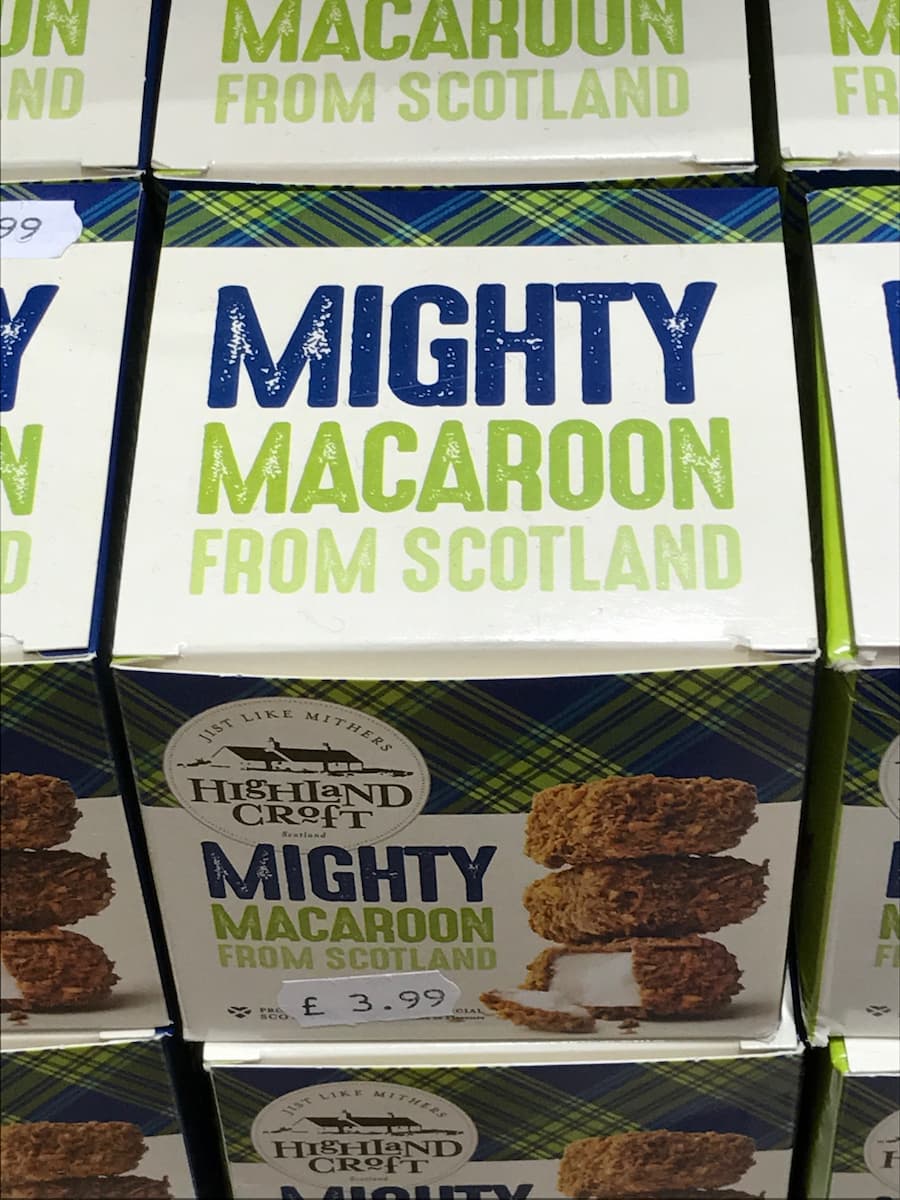
When I first heard the word "macaroon" many years ago, I thought of the Scottish macaroon bar: an extra sweet fondant centre (made with potato and powdered sugar) and covered with chocolate and shredded coconut.
So for me, the word "macaroon" never meant a Parisian pâtisserie at first. It meant something Scottish, nostalgic and very coconut-covered in bar form (although I made smaller ones as Scottish macaroon bar snowballs).
But I digress and perhaps add to this confusion...
So What's the Macaron vs Macaroon Difference?
In short, macarons are almond-based; macaroons are coconut-based.
- A macaron is usually a delicate French almond meringue cookie, especially the Parisian sandwich style with a filling. Often food colouring is added to the shells for different flavours.
- A macaroon is usually a rustic coconut cookie, often shaped into a mound, pyramid or star, and sometimes dipped in chocolate.
The extra "o" matters - unless you're standing in a French bakery where regional naming traditions can make the whole thing gloriously confusing again.
Want to Explore How to Make Them?
Start with my guide to Types of Macarons in France, then try one of my Parisian-style macaron recipes:
And if you love old-fashioned coconut bakes,
try my French Coconut Macaroons / Rochers Coco.
This post was first published in January 2016 but is now more concise and split to cover the regional macaron varieties in France in another post.


Brooks
Mrs. W and I were watching a Food Network program over the weekend to hear an American host pronounce the coconut version 'macaroon' when the subject was the French 'macaron'. Ugh. We immediately thought of you, and voila, you've addressed the inaccuracy splendidly! It brings me disdain to hear the error. This post will be where I direct those who need to be in the know.
Jill Colonna
Thank you Brooks. I think people just think we're trying to sound posh by saying it! 😀
David
I may not be as "mad" as you, but I definitely get annoyed when people mix the two up. I love macarons, and only like macaroons. Although I really might love the jam tarts!
Jill Colonna
Love it. We think alike David. And yes, do try these macaroon tarts - they're delicious too, although not gluten-free like a macaron 😉
Nami | Just One Cookbook
Happy New Year Jill! I was smiling when I got this post on my inbox. I always wonder how you deal with people who get confused with these two desserts. You probably think enough is enough. 😀 I love both, but so far I've only made macaroons and I would love to try macarons with your guidance. I gotta make matcha or yuzu version! 🙂
Jill Colonna
Lovely to hear from you Nami! Happy healthy 2016 to you. I don't correct people as it sounds snooty and it's not worth it - best if I can just direct people to this article! You haven't made the macarons yet? There's even a wasabi, pistachio and green tea macaron in the first book - and Matcha madeleines in Teatime 🙂
Gillian & Joanne
We started making macarons 18 months ago so that they were available in Newcastle. People who buy from us still say "oh look, macaroons!" and we've even had children tell us that we have spelt our company name incorrectly!!! But its no wonder when top chefs say 'macaroons' on the TV.
Jill Colonna
I hear your frustration Gillian and Joanne. Let's hope they learn about it soon. As you say, it would help if TV presenters say it properly too!
Gillian & Joanne
Hi again Jill,
Do you have a favourite brand of ground almonds which you rely on as we find variations in quality between batch dates (even from the same supplier).
Thank you
Jill Colonna
Hi Gillian and Joanne,
I normally use Carrefour's own brand ground almonds and from the "Sun" range, found in many French supermarkets but see you're in the UK. When I'm there, I love Tesco's own brand - particularly fine and good value too. If you have any preferred brands, please tell me or pop into the baking forum on this site and I'll add it to FAQ. Thanks!
Liz
I hear it all the time, too. I adore them both, but it does drive me nuts when folks mess up the names. I'm trying to help your cause in Indiana 😉
Jill Colonna
Thanks Liz for keeping the record straight in Indiana! You rock.
Parisbreakfast
Name names at the fancy tea salon!!
What a Good link to see the differences..
At Amiens as soon as you get off the train, their maccies (may I use that word Jill?) are at the station for free tasting!
Jill Colonna
Maccies? So which ones were they then, Carol? Hehe. Tell me and I'll tell you the place.
Lynn Sarda
Happy New Year, Jill. I wince too.
Jill Colonna
That makes at least two of us then Lynn. Thanks!
Caterina B
Hmmmm....thanks so much for writing this! I found a video on YOUTUBE some time ago in which the presenter said "macarOOn" for what was actually a macaron. He was showing directions for making macarons. Yes, macarons, not macaroons and still he mispronounced the word. I commented and that started a lengthy conversation with other folks who disputed the true meaning of the word. Some people just DO NOT KNOW THE DIFFERENCE. And sometimes it seems they choose to ignore the facts just because they' like to argue.. OK. That's my rant.
ps. I just checked youtube and the video is still there with lots and lots of very nasty comments. Sad.
The cooks directions were given in a true spirit of sharing. The commenters were rude.
And, the macarons looked just fine!
Jill Colonna
Thanks Caterina. Yes, it's such a shame that some folk like to argue for the sake of it. Hopefully this article will help people make up their mind which is the right term to use.
Christina @ Christina's Cucina
I am SO elated to see this post, Jill! There's no one better to set the record straight than YOU! I would have done it, but I'm off ranting about the atrocities committed with Italian food more than French pastries, as you know. I just copied the link to your article on M & S's FB page as they are committing this sin on their beautiful boxes of macarons (further confusing the masses) by labeling them as macaroons! Ugh! Of course, when I tried to tell my cousin they were mislabeled, it was difficult to convince her that such a large company would make such a massive mistake! Great (and much needed) post! 🙂
Jill Colonna
Thanks so much Christina. Appreciate your kind words - and action: so impressed you forwarded this to M&S! Like you, I've been so surprised to see them make this mistake on their packaging. Let's hope they correct it in 2016.
Cheryl Turner
Oh Jill, I had to smile while I was reading this. We serve and sell French macarons in our tea salon/cafe. Almost daily I am explaining the difference between these two delicious confections. Every time I place an ad, I have to make sure that they do not auto-correct macaron. Even now, as I type this I am seeing red underline that I'm spelling it wrong. Thank you for sharing this. Great information. I enjoyed reading this very much. ~Cheryl
Jill Colonna
Thanks Cheryl. Isn't that funny? Yes, I'd forgotten that too - another point that irks me when trying to write macaron and auto-spellchecker thinks it knows better.