

Recipes, Troubleshooting, Fillings & Paris Tips
French macarons have a reputation for being difficult - and often far too sweet. They don't have to be either. Whether you're making your first batch or trying again after cracked, hollow or sticky shells, this guide brings together my tested beginner recipe, quick fixes for the most common problems, filling ideas, savoury macarons and where to find the best macarons in Paris.
I'm Jill Colonna, author of Mad About Macarons (2010), one of the first macaron cookbooks published in English - chosen by David Lebovitz as one of his favourite cookbooks of 2010. I've been making macarons since 2006, and now that the rights to my original recipes are back with me, I can finally bring everything together here.
On this page
- What are French Macarons?
- Macaron Essentials - Start Here
- Why Trust This Macaron Guide?
- Macaron Recipes to Try Next
- Choose Your Macaron Fillings
- Savoury Macarons
- Frequent Questions
- Common Macaron Problems & Quick Fixes
- What to Make with Cracked Macaron Shells
- Where to Buy the Best Macarons in Paris
- Leftover Egg Yolks
Table of Contents
- What are French Macarons?
- Macaron Essentials - Start Here
- Why Trust This Macaron Guide?
- Macaron Recipes to Try Next
- Choose Your Macaron Fillings
- Savoury Macarons
- Frequent Questions
- Common Macaron Problems & Quick Fixes
- What to Make with Cracked Macaron Shells
- Where to Buy the Best Macarons in Paris
- Leftover Egg Yolks
What are French Macarons?
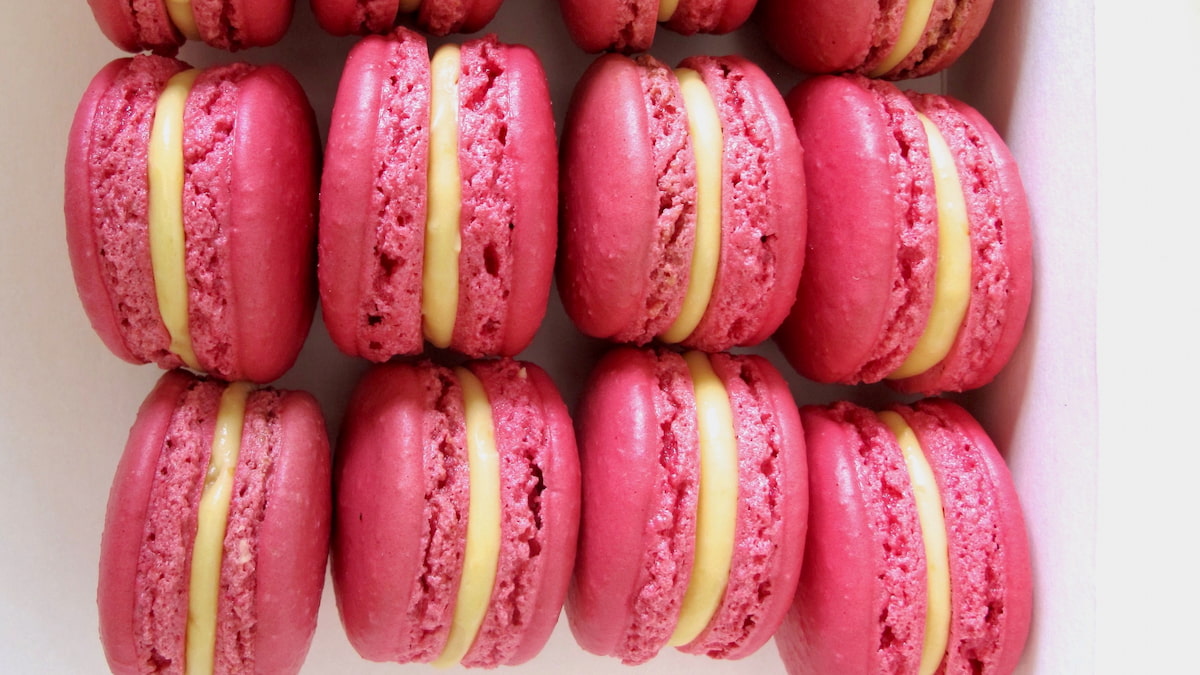
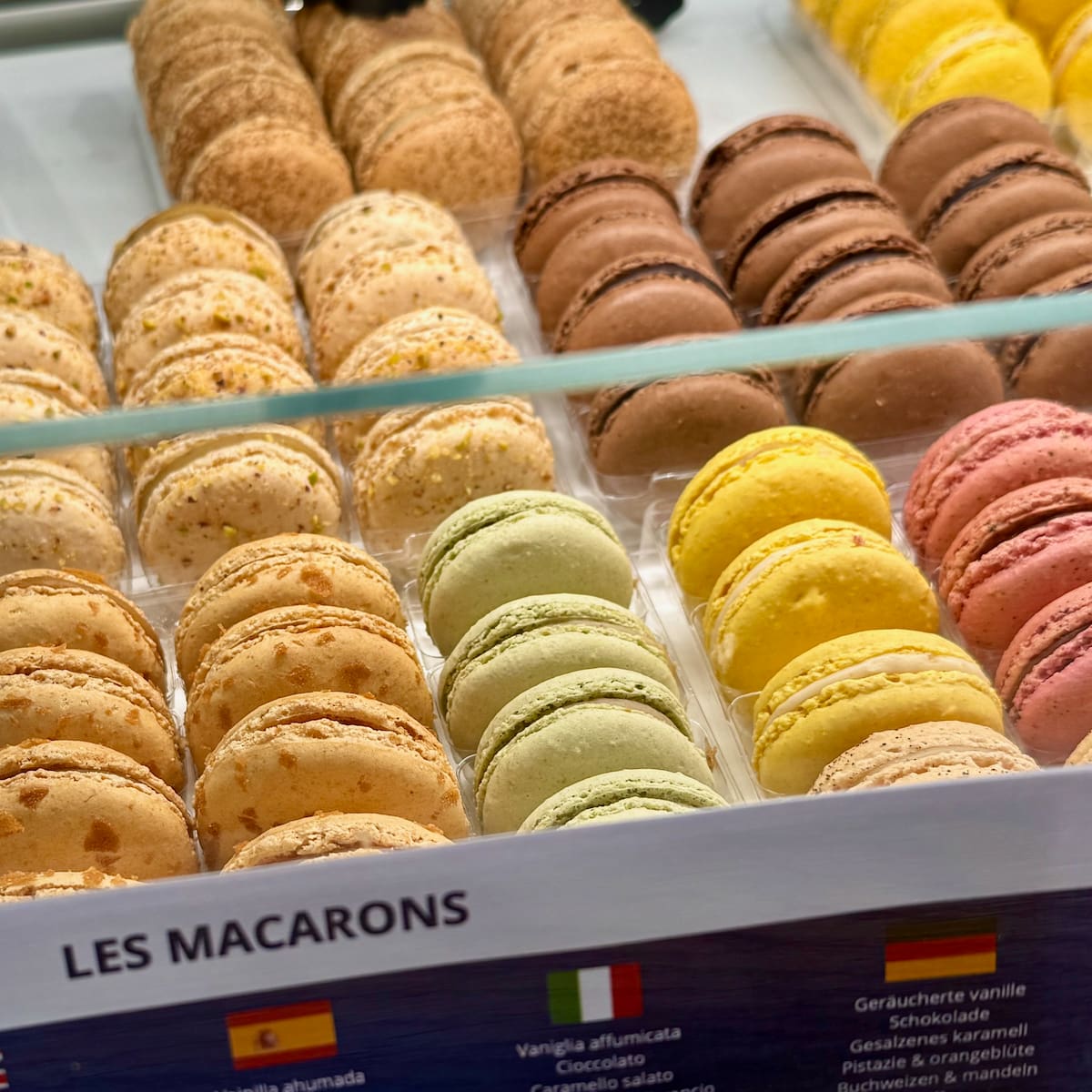
French macarons are delicate almond-meringue sandwich cookies - biscuits in the UK - with two smooth shells, a little ruffled "foot" around the edge, and a tender centre once they've rested with the filling. Strictly speaking, the filled sandwich style most people mean today is the Parisian macaron; France has older regional macarons, which I cover in my guide to the Types of macarons in France.
The best French macarons aren't simply sweet. The shells need sugar to work, but the magic is in the balance: a slightly crisp shell, a soft centre and a filling that tastes clearly of raspberry, lemon, pistachio, chocolate or caramel.
To make macarons more like the ones in France, weigh everything in grams, use finely ground blanched almonds, whisk a strong meringue, fold the batter just enough, rest the shells until a film forms, bake one tray at a time, then mature the filled macarons in the fridge for at least 24 hours.
Macaron Essentials - Start Here
Start with the beginner recipe for the full French method, then jump to troubleshooting, macaron basics and my Paris favourites.
Why Trust This Macaron Guide?
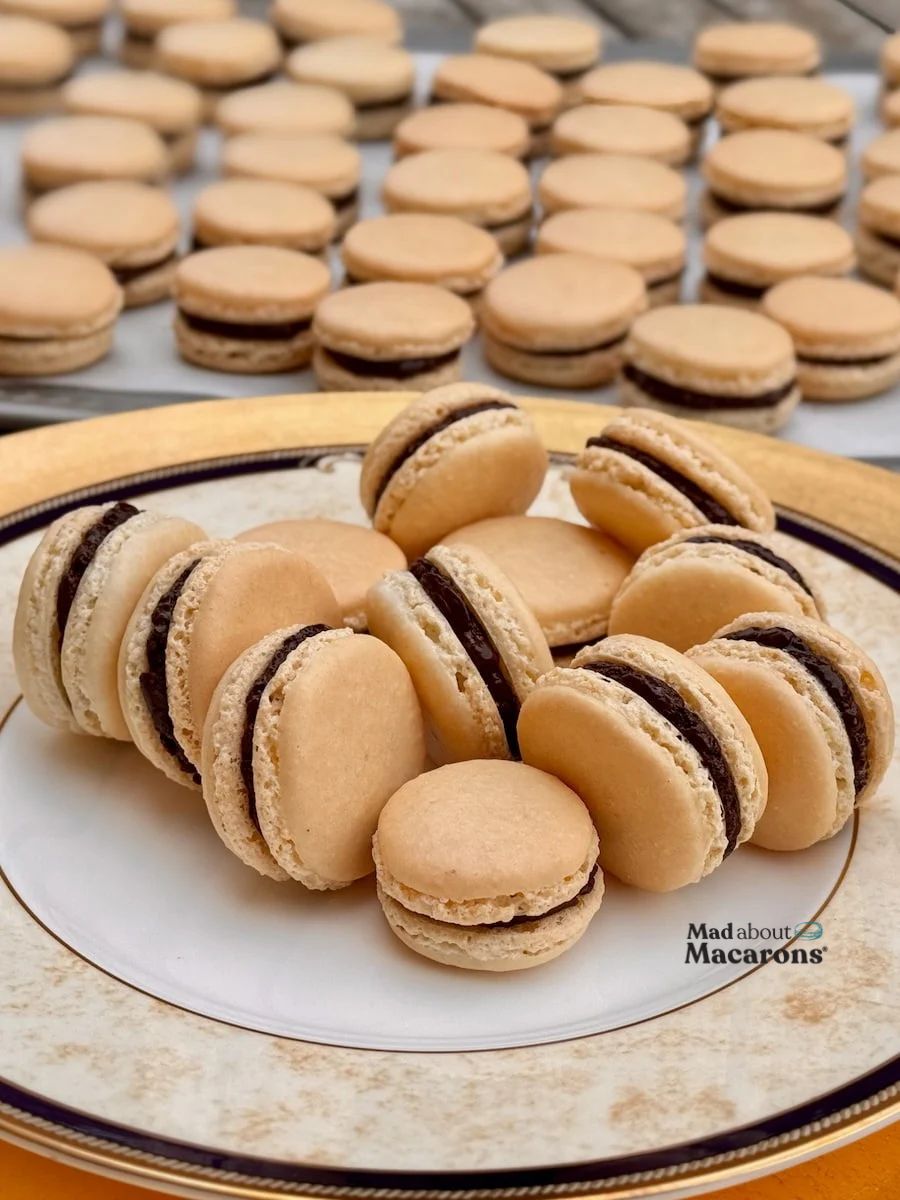
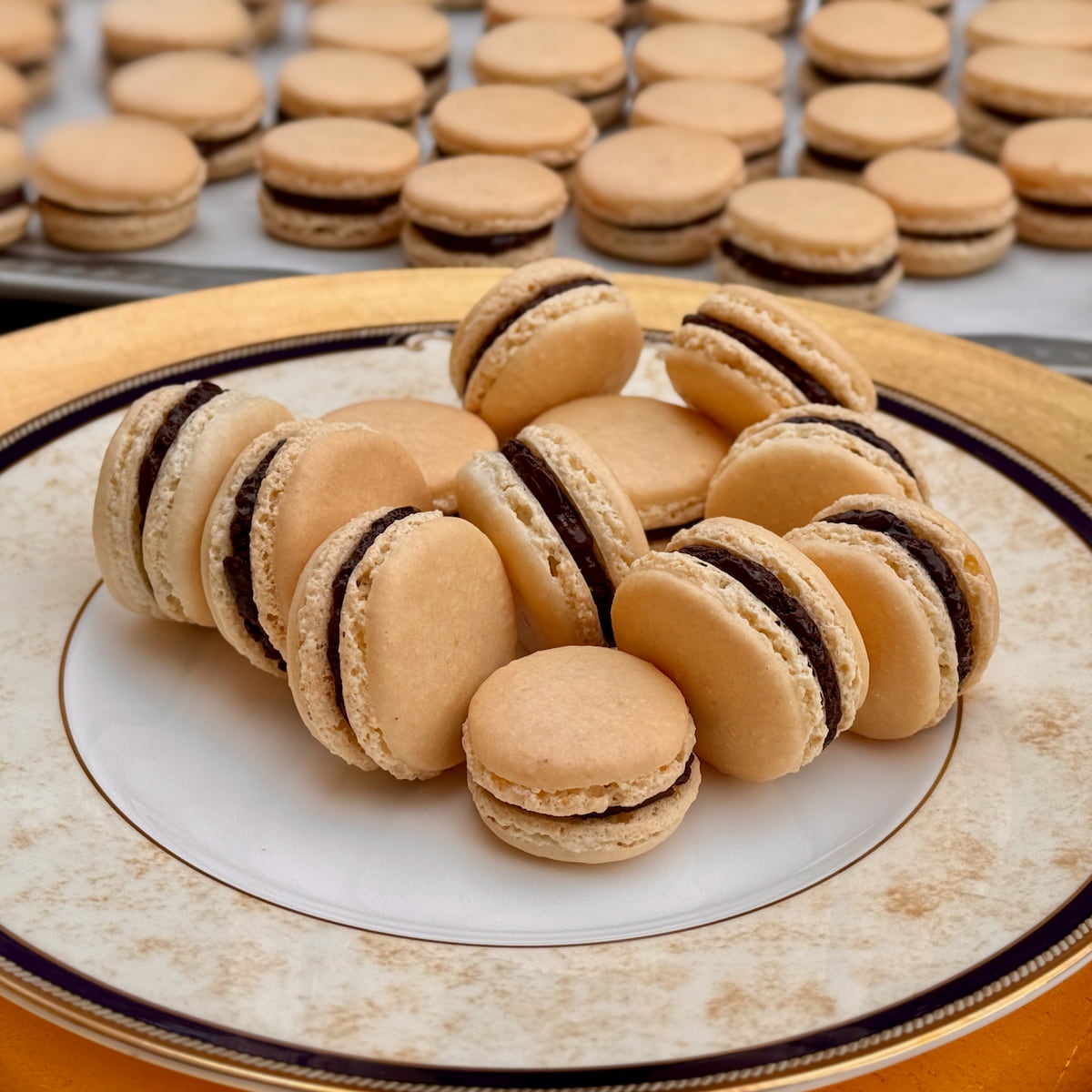
It's now exactly 16 years since my first macaron cookbook was published and launched at the BBC Good Food Show. Since then, I've demonstrated, judged macaron competitions in France alongside Christophe Felder and Mercotte, and continued testing and refining my recipes at home.
"My first year making macarons, I tried several recipes with mixed results. Then I bought Jill's cookbook - and achieved perfect macarons every single time! We had a bakeshop for several years, and people told us we made the best macarons."
"The most lovely little macarons I've seen in all of Paris, even in the fancy places."
Macaron Recipes to Try Next
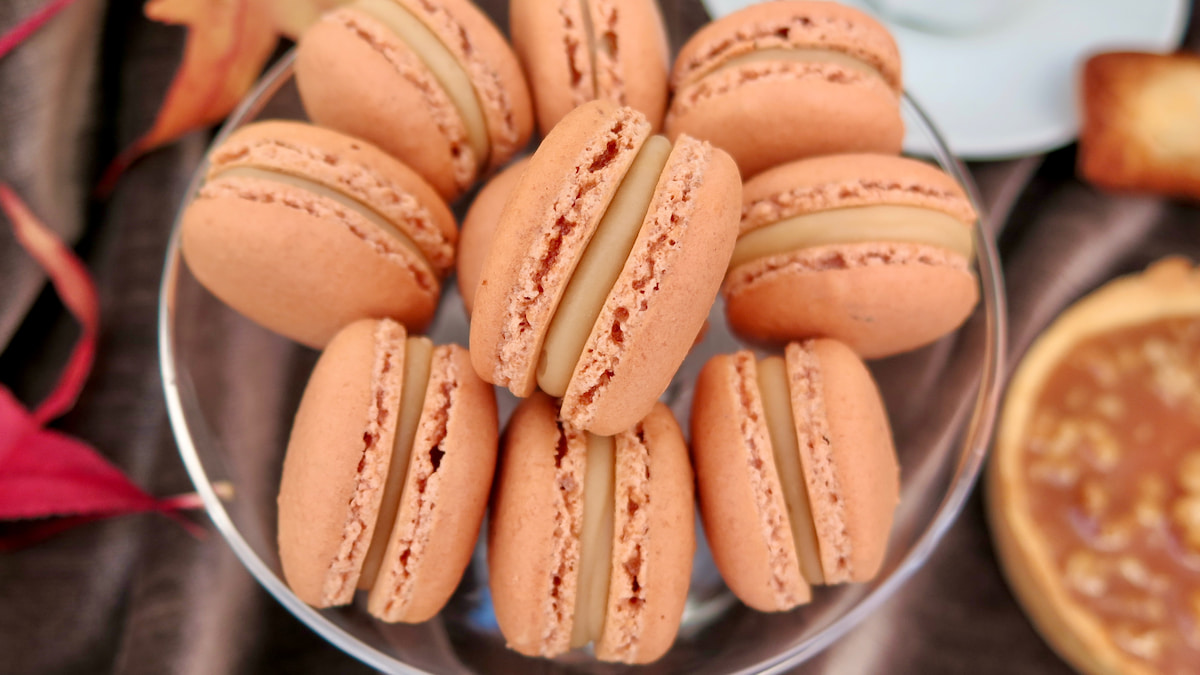
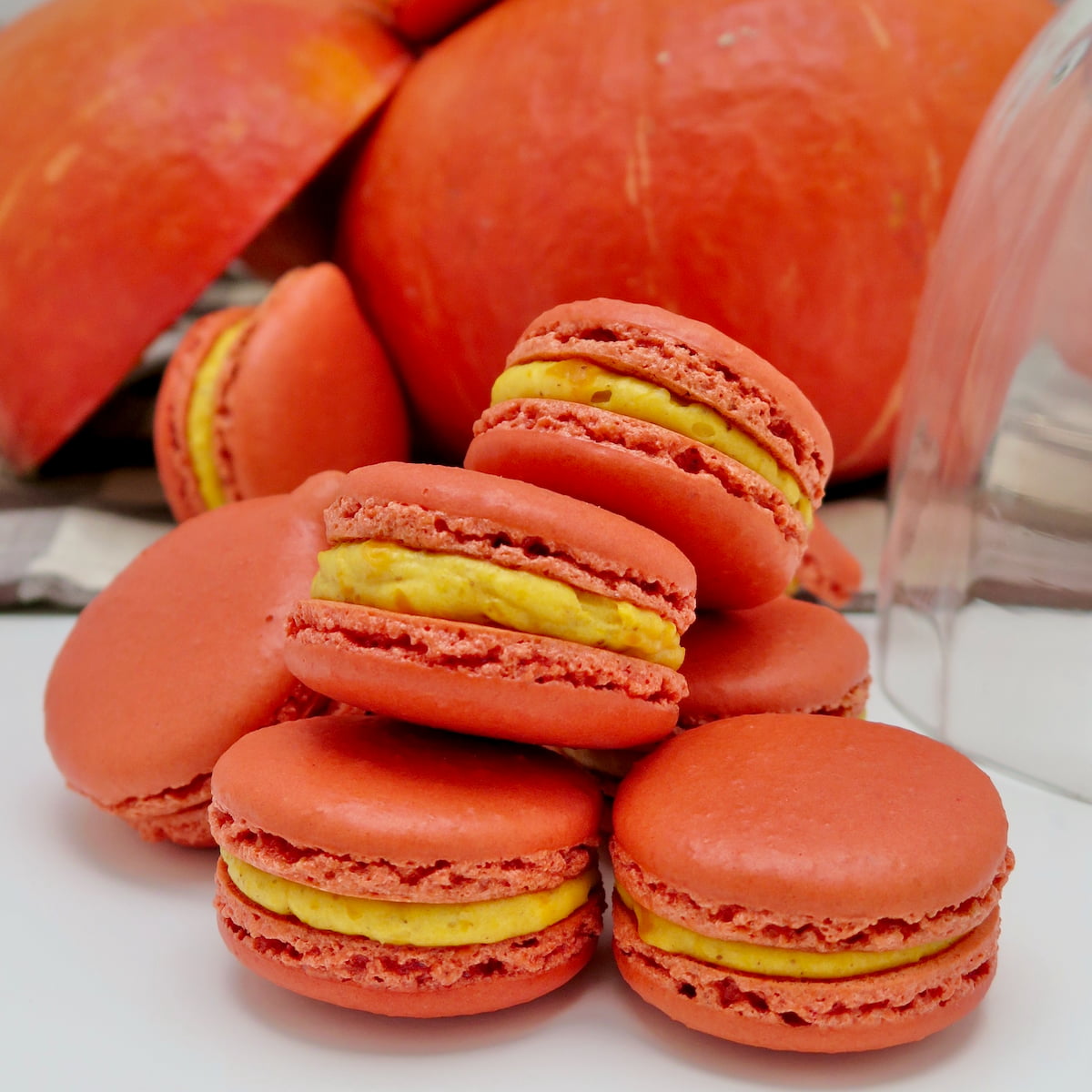
Once you've made the beginner batch, here are a few favourite flavours to try. Like every macaron recipe on this site, they use the simple French meringue - no sugar thermometer needed. Weigh everything precisely in grams and you'll be surprised how achievable they are.

Choose Your Macaron Fillings
Macaron shells are already sweet, so the filling is where you bring the flavour back into balance. That's why I prefer fillings that taste clearly of their main ingredient - fruit, chocolate, citrus, coffee, nuts or caramel - like the best ones in Paris, rather than adding more sugar on top. Flavour first, sweetness second.
You'll mainly find:
- ganaches with dark, milk or white chocolate
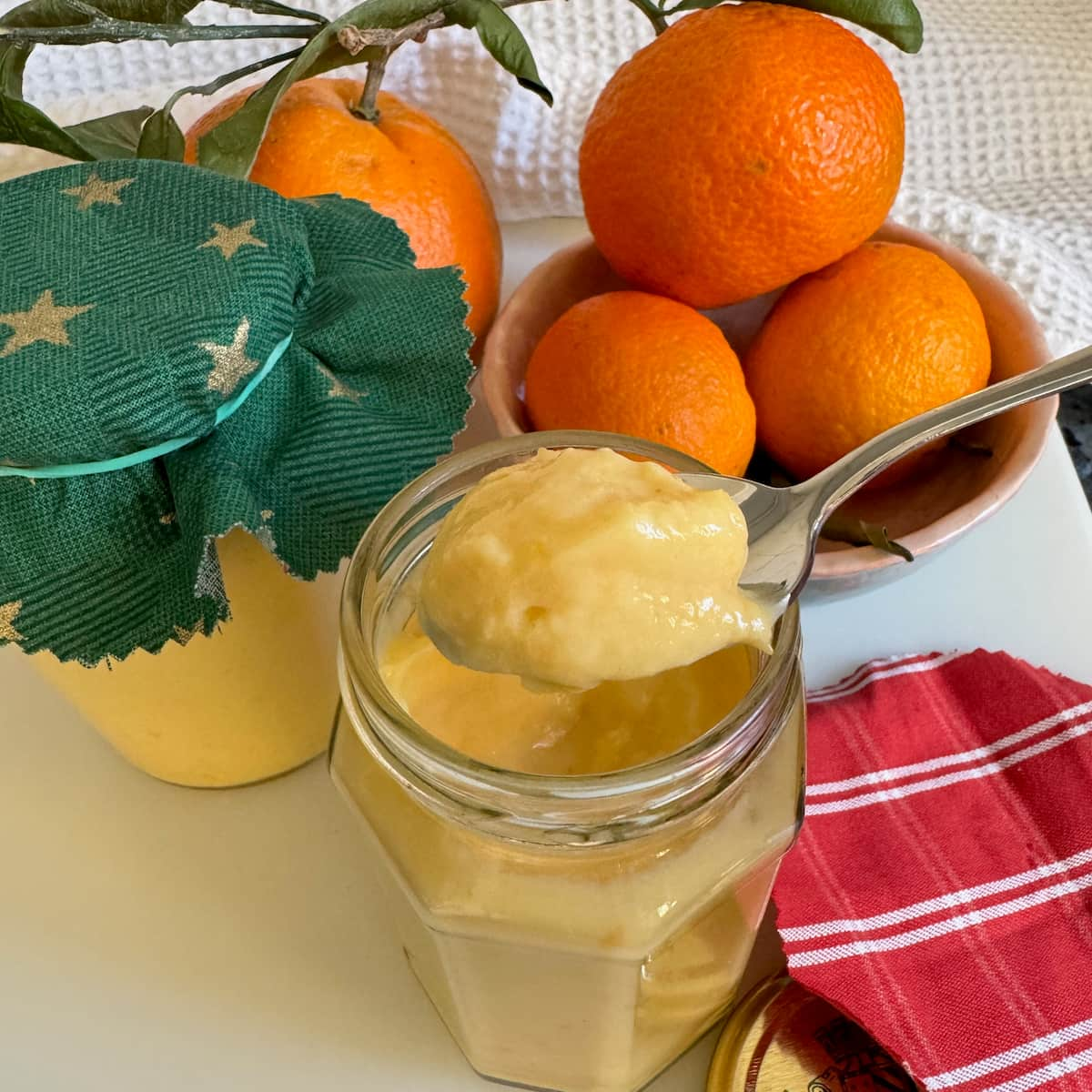
- buttercreams and curds
- caramel fillings
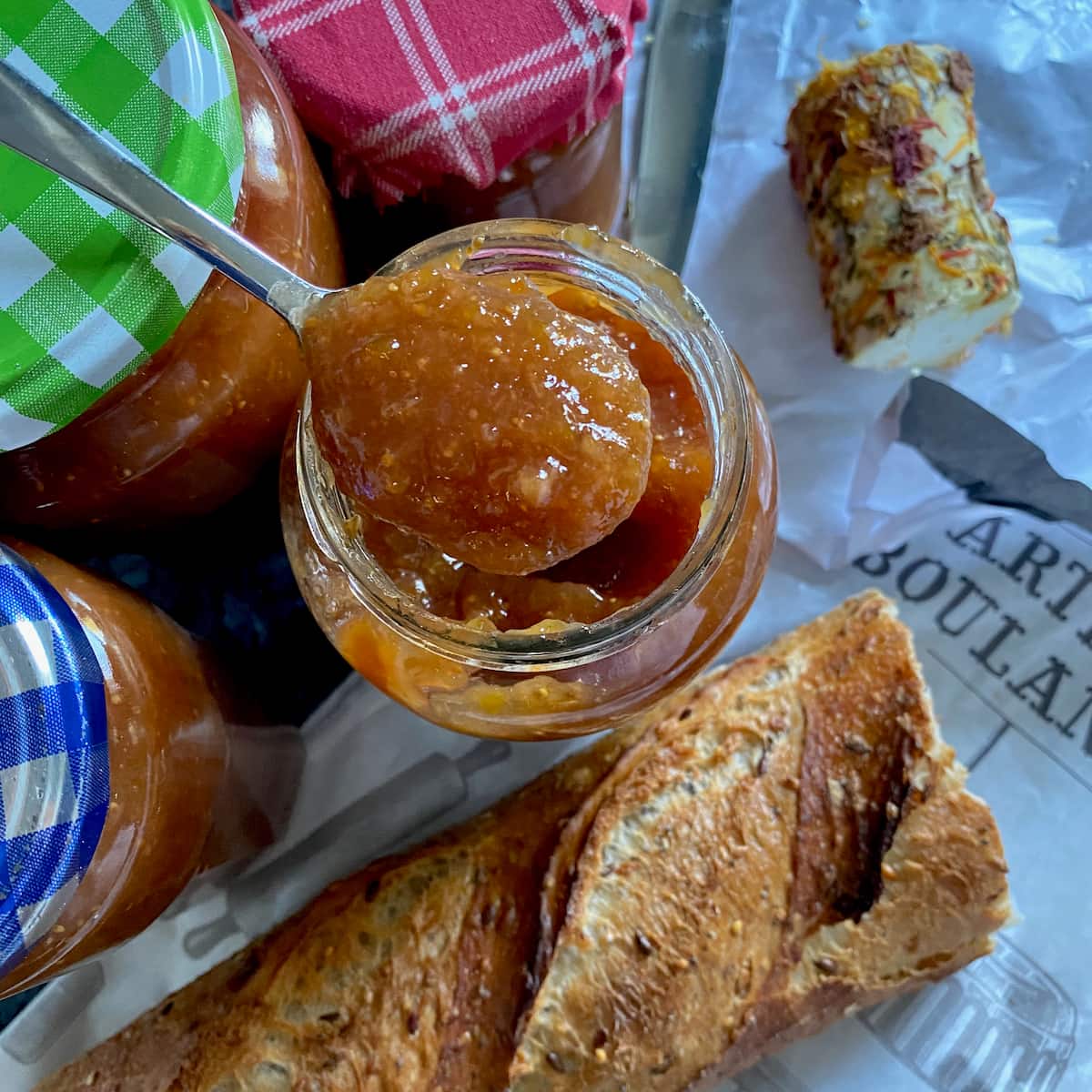
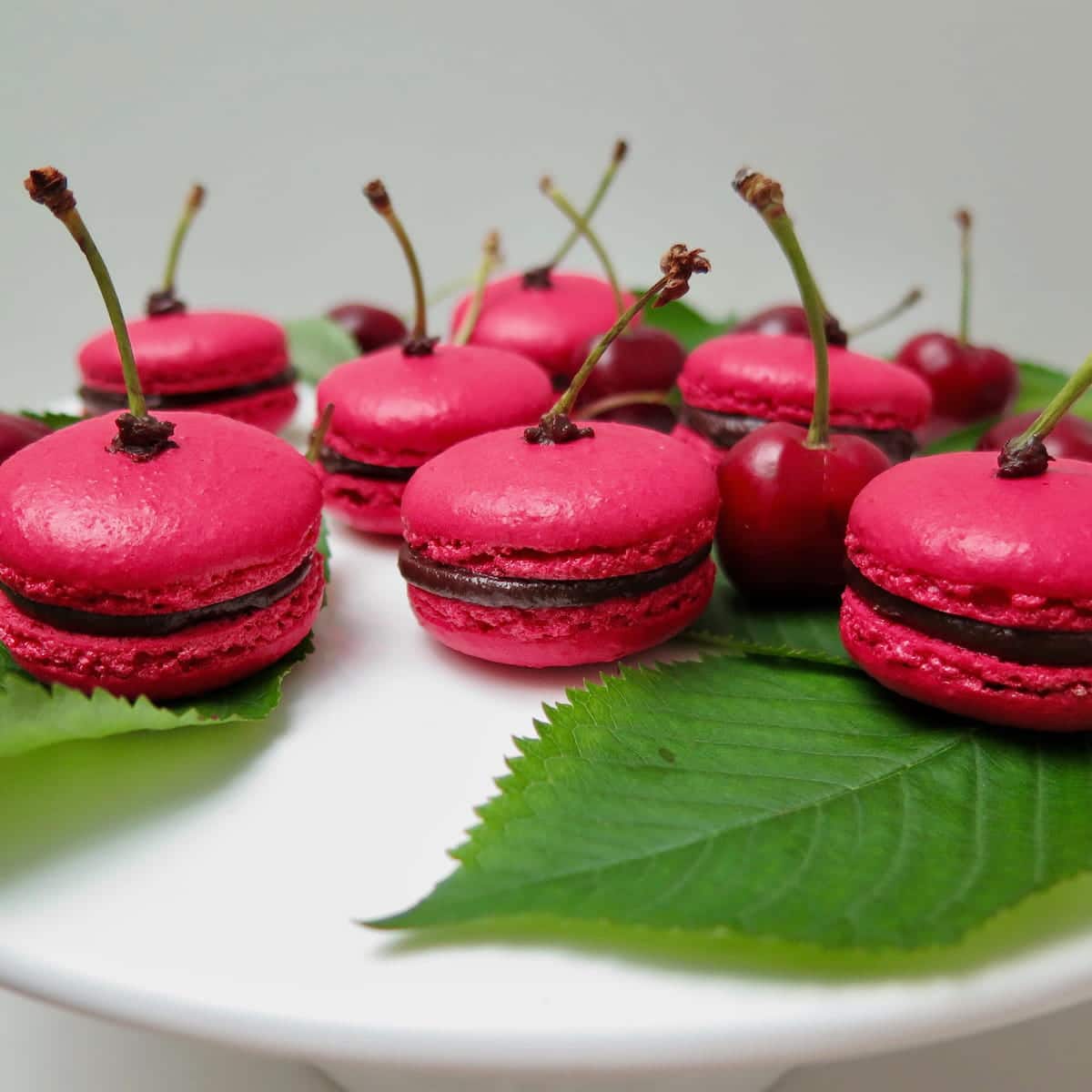
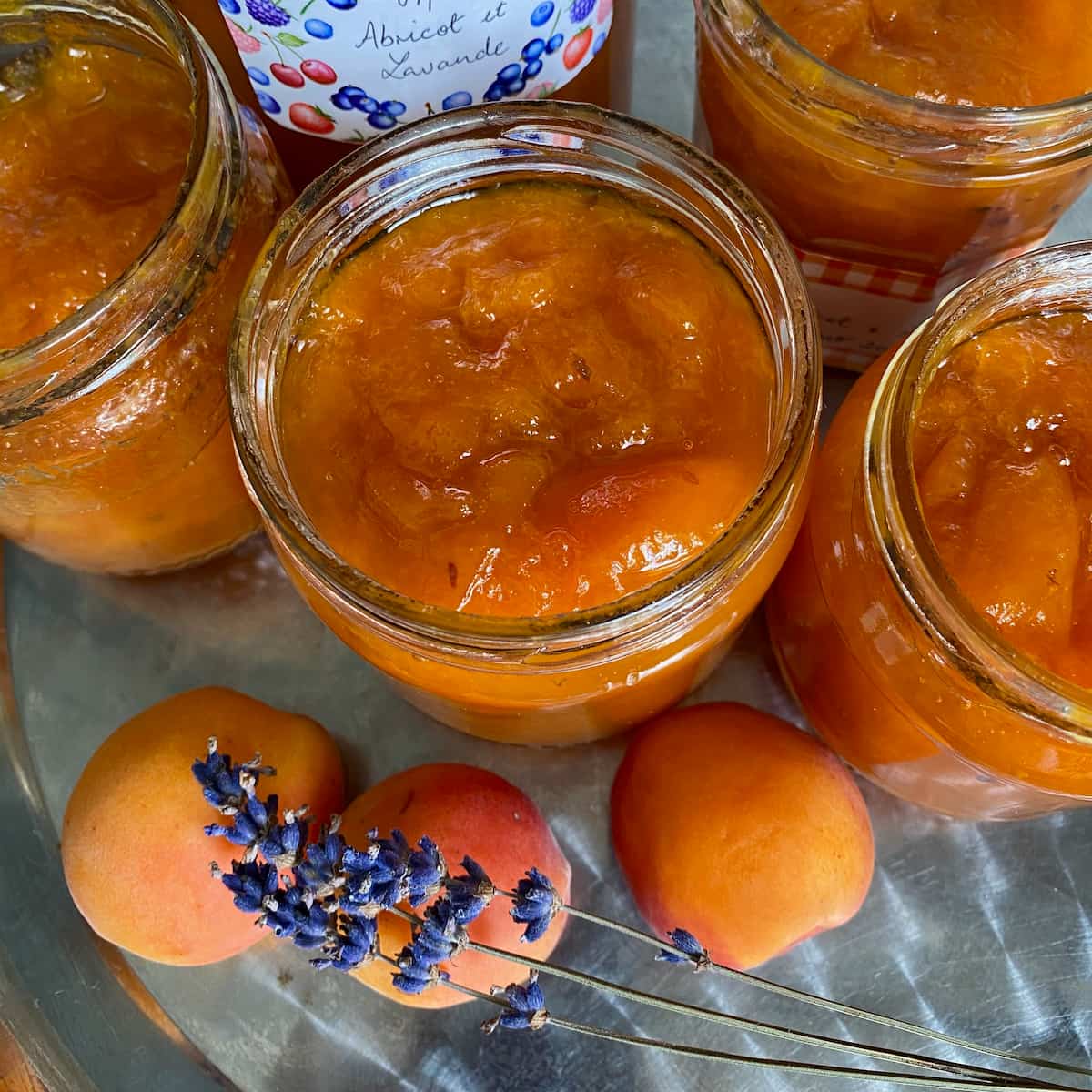
- fruity fillings such as lower-sugar jams (e.g. fig jam, spiced plum, apricot and lavender or no-suet mincemeat for the holidays.)
My new macaron e-book, out 3 November, has 26 of my favourite sweet and savoury fillings - including dairy-free options.
Savoury Macarons
This is where macarons become really fun - they don't have to be sweet at all. My original macaron book had a whole chapter of savoury macarons, and I served hundreds of mini curry macs at my first Paris book signing. One bite of spice, then the sweet almond shell rushes in to soothe it - it's the best party trick I know.
See how to Serve Savoury Macarons for wacky flavour ideas.
My savoury recipes - including curry, spiced beetroot, Roquefort and walnut - are coming in my new e-book on 3 November.
Frequent Questions
Are macarons hard to make?
Macarons aren't difficult, but they do need precision. Unlike cakes, you can't improvise or multitask: follow the recipe exactly, weigh every ingredient to the gram, and give yourself time to focus.
A batch usually takes about 2 hours from start to finish, then at least 24 hours in the fridge before they're at their best.
What equipment do you need for macarons?
Digital scales are essential - macarons must be weighed, not measured in cups. Beyond that, you'll need an electric whisk, a sieve, a large spatula, flat baking trays, parchment or a mat, and a piping bag with a plain round tip. See the full list in my beginner macaron recipe.
What ingredients are in French macarons?
The shells need only four ingredients: egg whites, ground almonds, icing (powdered) sugar and caster (superfine) sugar. The flavour comes mostly from the filling - ganache, cream, curd, caramel or fruit. See the ingredient notes in my beginner recipe for which almonds and sugar to choose.
What's the difference between French, Italian and Swiss meringue macarons?
They differ in how the meringue is made. French meringue whisks sugar into raw egg whites. Italian meringue pours a hot sugar syrup into the whites and needs a thermometer. Swiss meringue warms the whites and sugar together over a bain-marie first. Many pastry shops use Italian meringue for its stability, but I've always used French meringue at home: it's the simplest, needs no thermometer, and works beautifully when you follow the method.
Why do macarons need so much sugar?
The sugar in the shells isn't just for sweetness - it builds the meringue's structure, gives the shiny surface and helps the feet form. Cutting it too far makes the shells fragile and unreliable. That's why I keep the shells as they should be and bring the balance back in the filling, with less-sweet ganaches, fruit and creams that let you taste the main ingredient.
Do they need food colouring?
No. Many bakers love bright colours, but French macarons can be completely natural - some Paris pâtisseries don't colour them at all. I often leave shells plain or use cocoa or natural colouring. If you do colour them, use a little powder or gel rather than liquid, which can loosen the meringue.
Do you need a silicone mat for macarons?
No. You can make excellent macarons on good baking parchment.
I personally get better feet and drier bases on parchment, but if a silicone mat works in your oven, keep using it - just make sure it's completely grease-free, and allow a minute or two longer. See my macaron silicone mat vs parchment paper tests.
Why do macarons taste better the next day?
Freshly filled, they're dry and chewy, and the filling feels separate from the shell. Rested in the fridge in an airtight container, the filling slowly softens the inside of the shell - creating that tender, slightly fondant centre. Give them at least 24 hours, and closer to 36 for chocolate.
I've sat on French pastry judging panels, so I understand why TV judges taste macarons straight from the oven. But at home, patience is part of the recipe.
Do macarons need to be refrigerated, and how long do they keep?
Yes - once filled, keep them in an airtight container in the fridge. Most macarons are at their best 2-3 days after filling and keep for up to 5 days, although fresh fruit or mascarpone fillings are best eaten sooner. Take them out about 30 minutes before serving, so the flavours come through.
Can You freeze macarons?
Yes. Macarons freeze very well so they're like gold in the bank for parties.
Let filled macarons mature in the fridge for a day or two, then freeze them in an airtight container for up to a month. Defrost them in the fridge, still in their container, then bring them to room temperature before serving. Don't refreeze them.
If you made the shells with egg whites you'd already frozen, that's fine: baking changes the whites, so you can still freeze the finished macarons.
Are Macarons gluten-free?
Parisian macarons are naturally gluten-free as they contain almonds instead of wheat flour. Some old-fashioned regional macarons in France do contain flour, though - see my Types of Macarons in France.
If baking for someone with coeliac disease, check the labels on your icing sugar and filling ingredients.
Want more? See my gluten-free desserts.
Can you make dairy-free or vegan macarons?
The shells are naturally dairy-free - only the filling usually contains cream or butter. A dark chocolate ganache made with coconut cream instead of dairy cream works beautifully. For fully vegan shells, try my aquafaba macarons, made with chickpea water instead of egg whites.
What's the difference between a macaron and macaroon?
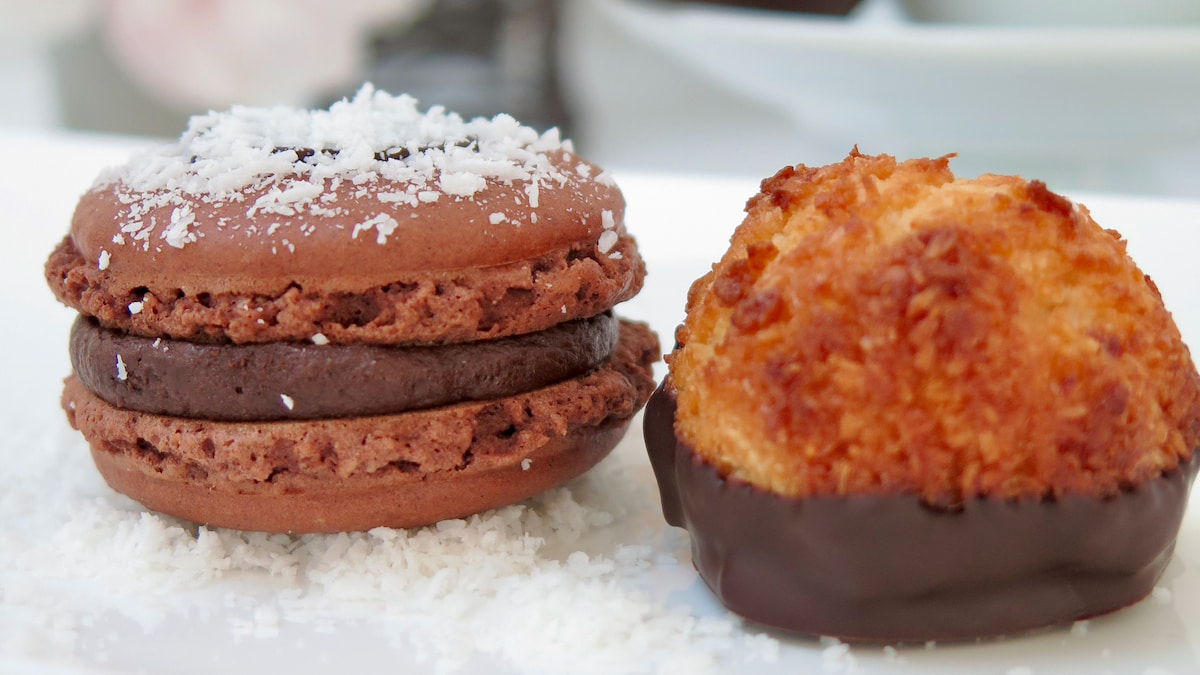
French macarons are made with almond flour, egg whites and sugar; macaroons are made with coconut, egg whites and sugar. In France, coconut "macaroons" are called rochers à la noix de coco.
See my French coconut macaroon recipe and the video where I explain the difference at our local bakery near Paris.
France also has many unfilled regional macarons - and, apart from hearts for Valentine's Day, French pastry chefs focus on flavour rather than novelty shapes. Find out more in Types of Macarons in France.
Why are macarons so expensive?
So much goes into such a small bite. Ground almonds are a pricey ingredient, and each batch takes careful weighing, whisking, piping, resting and baking - one tray at a time - plus a day or two of maturing before the macarons can be sold. Fragile shells mean that not every one makes the cut.
The best pâtisseries also use high-quality chocolate, fruit and nuts in their fillings.
Then there's the packaging. Top Paris pâtisseries sell their macarons in beautiful, sturdy gift boxes, often with moulded inserts so the shells don't crack in transit - and that all adds to the price. Which is one more good reason to make your own.
Common Macaron Problems & Quick Fixes
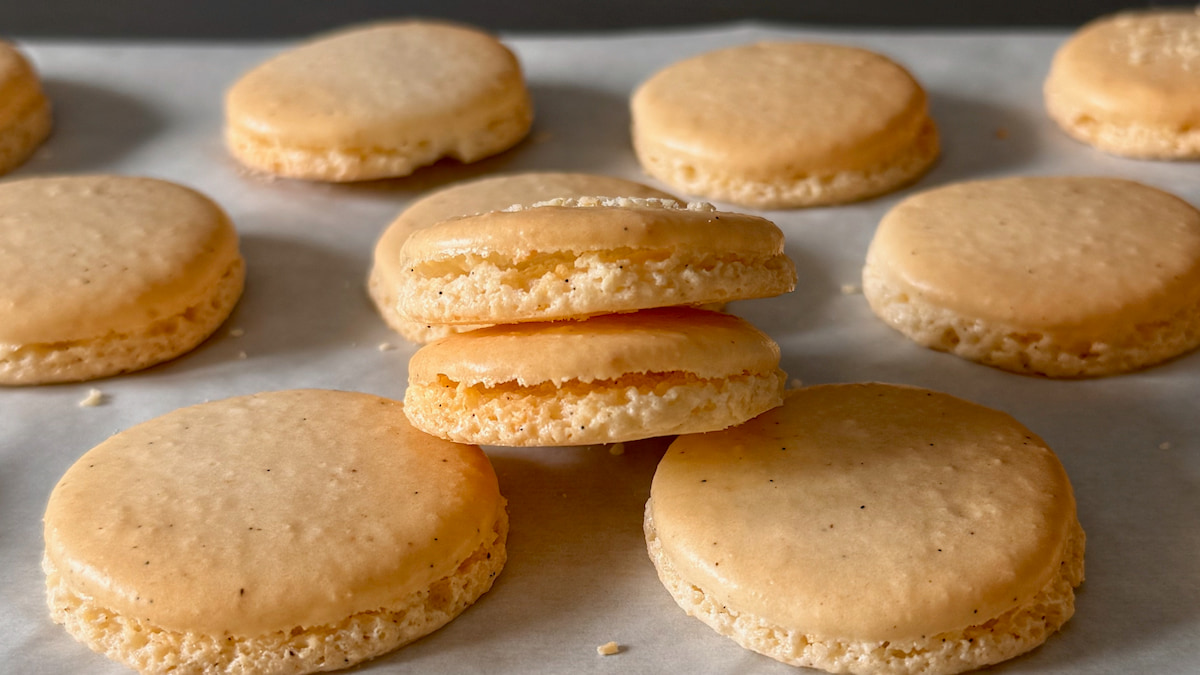
Don't panic if your macarons aren't perfect. Slightly uneven shells, the odd crack or a small hollow can still taste delicious - and yes, you'll even find the occasional slightly hollow macaron in Paris. C'est normal !
Most problems come down to four things: meringue strength, macaronage, resting time and oven heat. Here's my quick reference table with the most common ones, with their usual causes.
| Macaron problem | Usually caused by | Quick fix |
|---|---|---|
| Cracked shells | Not rested long enough, or an oven that's too hot. | Rest until the tops feel dry to the touch; lower temperature. |
| Hollow macarons | Small pockets are normal. Large hollows usually mean too much air in the batter, or shells taken out too soon. | Rap the tray well after piping; bake until the tops no longer wobble. |
| No feet | Batter too runny, shells not rested enough, or silicone mat. | Stop folding at the ribbon stage; test paper vs mat. |
| Sticky bottoms | Underbaked or lifted while still warm. | Let them cool completely before lifting. |
| Shells spread | Batter overmixed, or liquid colouring added. | Stop folding sooner; use powder or gel colour only. |
| Lumpy or peaked tops | Almonds not sifted well enough, or batter under-mixed. | Sift well; fold until the batter flows in a ribbon. |
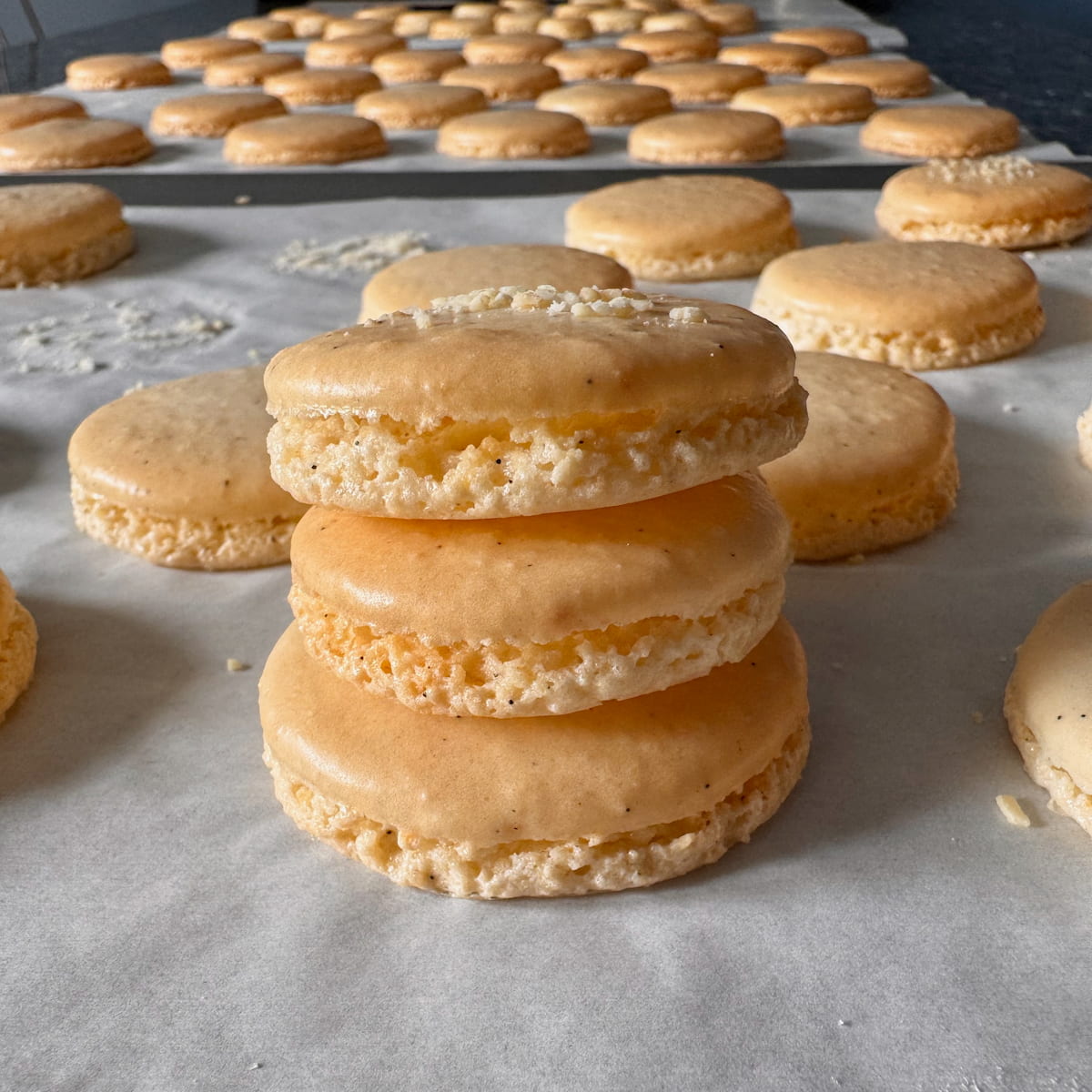
Ruffled little macaron feet are the signature of a Parisian macaron. The first time you see them rise in the oven, you'll probably do a little macaron dance too.
Still stuck? Your oven is the biggest variable of all - the same batter can behave quite differently in two ovens. My video course has a whole troubleshooting lesson covering 16 problems, including lopsided or over-spread feet, grease spots, dipped centres, and macarons that look fine but taste wrong.
Coming 3 November - join the Starter List to hear first.
If your main problem is sticky bottoms or flat shells,
see my macaron silicone mats vs baking paper tests.
What to Make with Cracked Macaron Shells
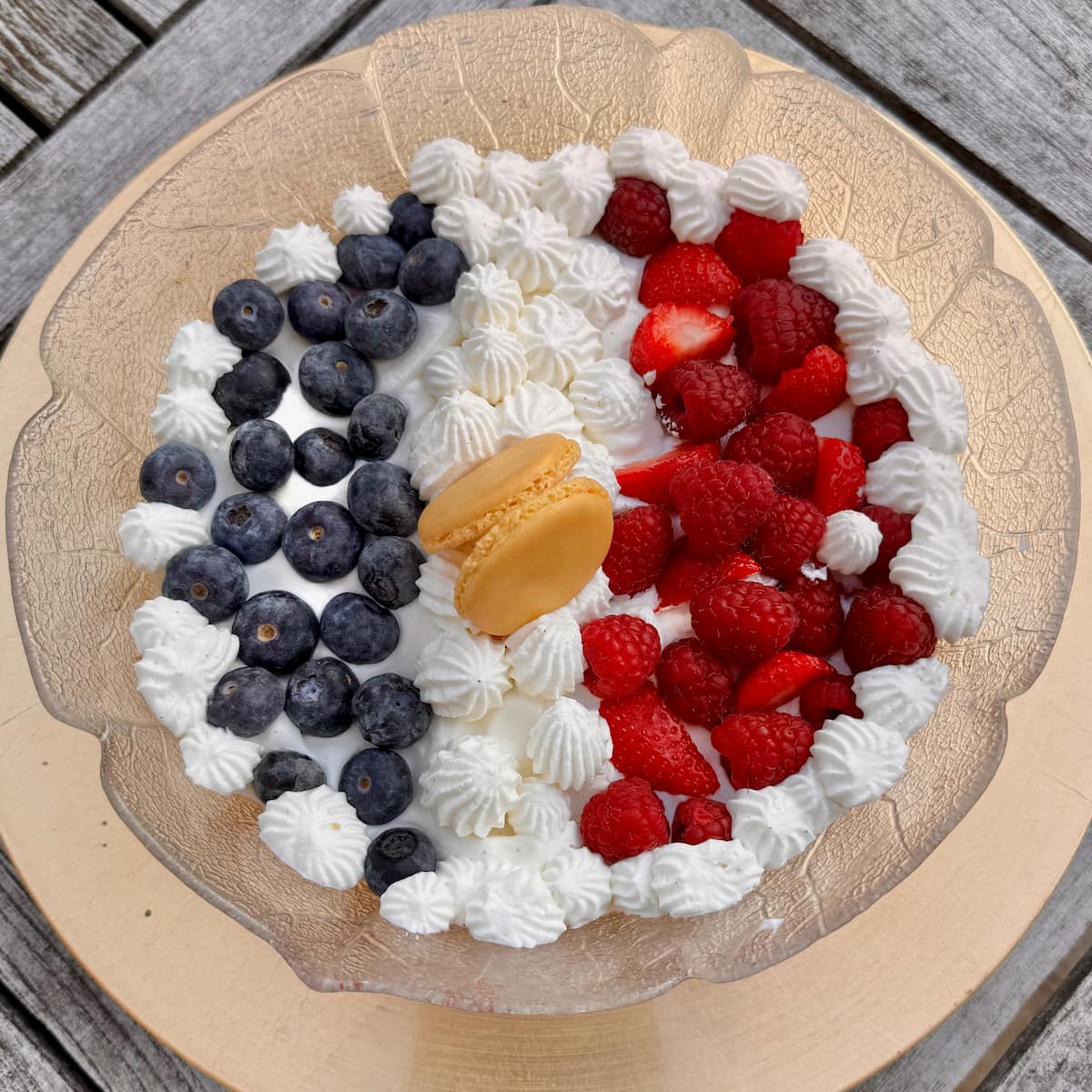
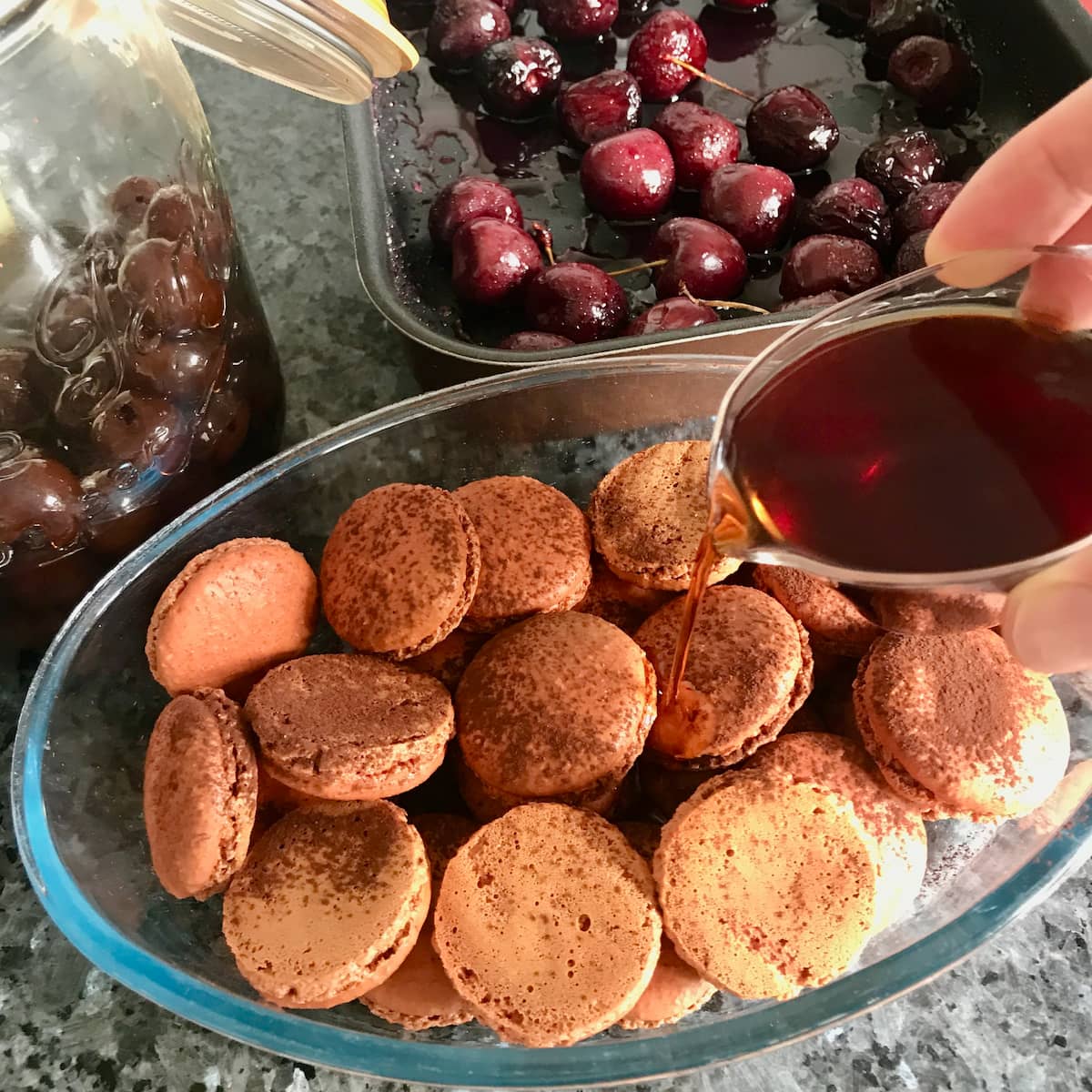
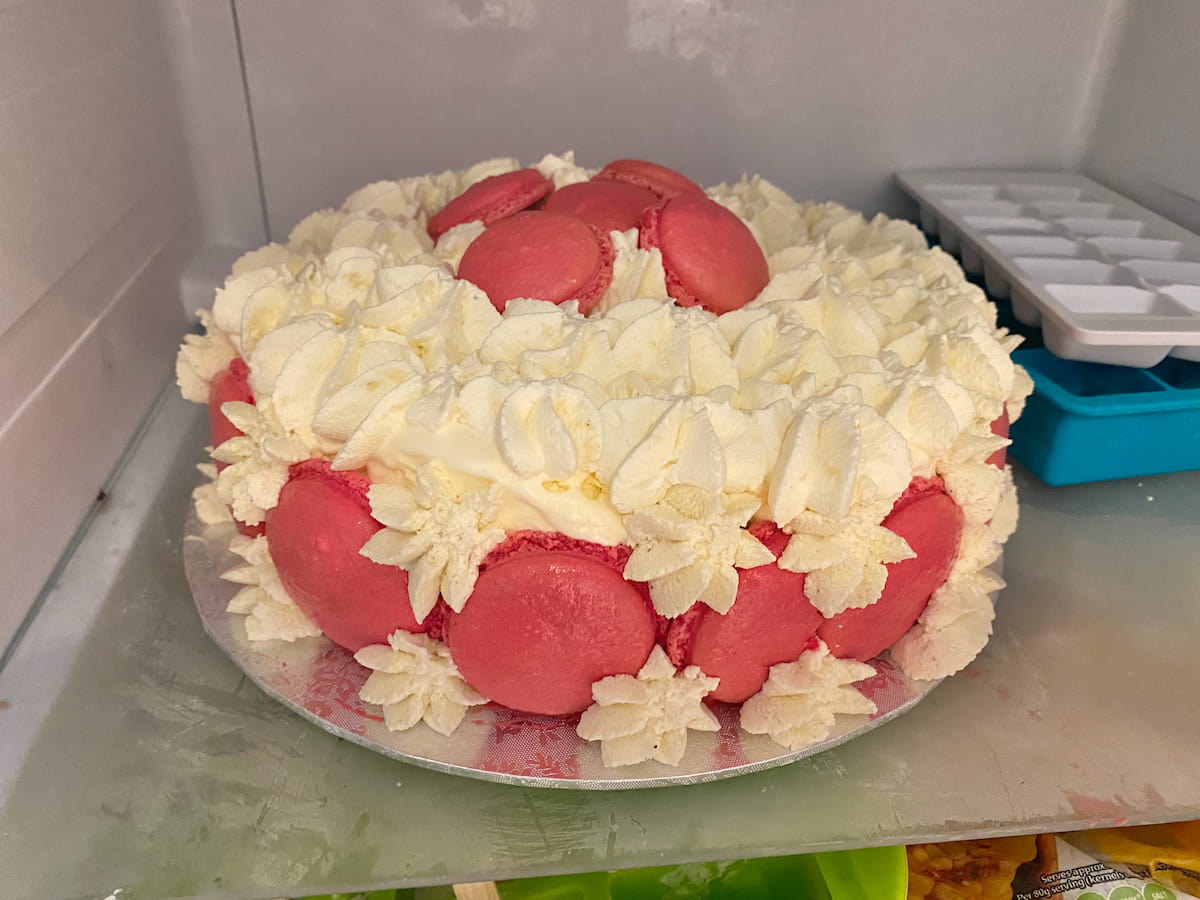
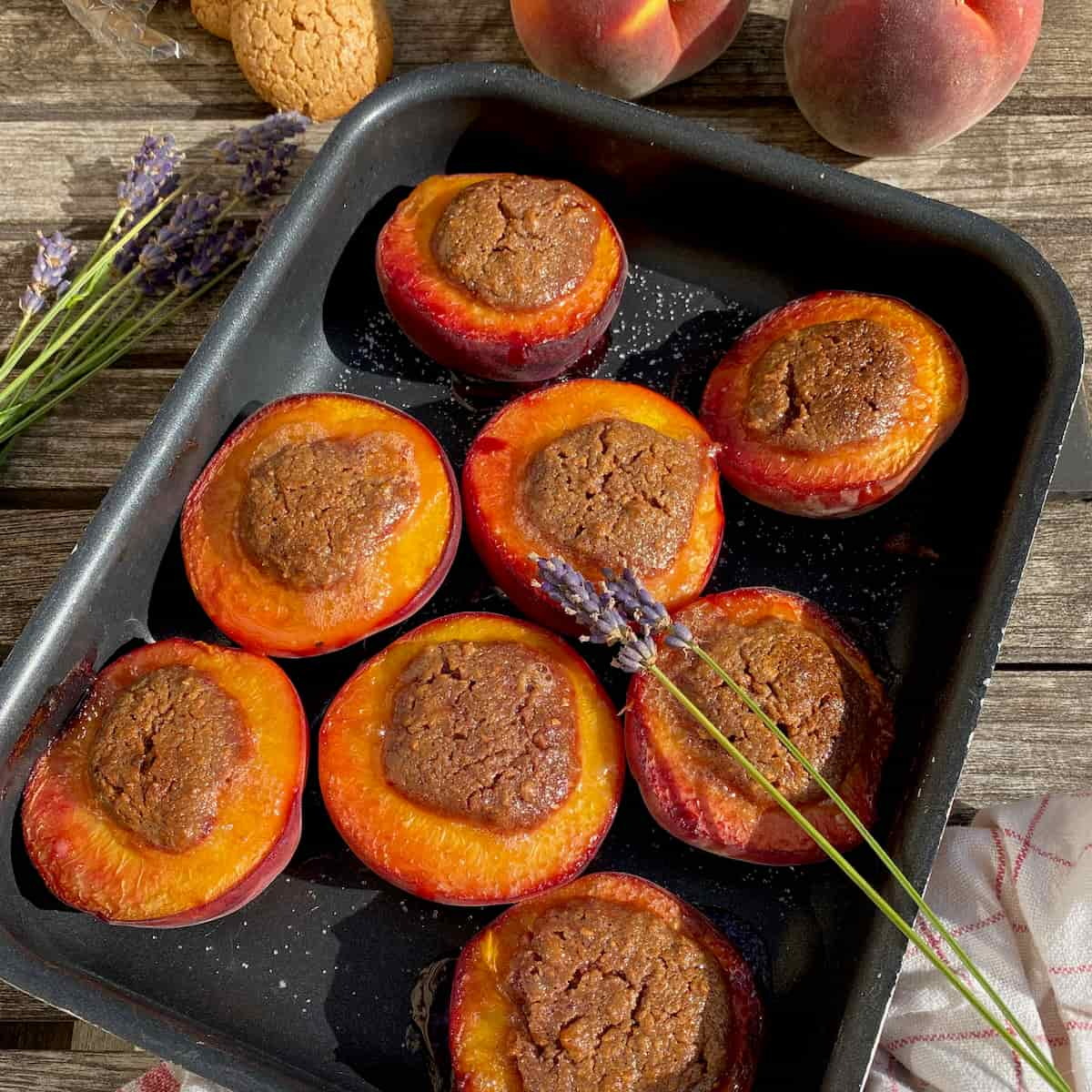
Got a few of the problems above? Don't throw them away! They still taste delicious, and they're perfect in place of meringues, amaretti biscuits or sponge fingers in gluten-free desserts.
Where to Buy the Best Macarons in Paris
Beyond Ladurée and Pierre Hermé, Paris is home to dozens of exceptional pastry chefs making remarkable macarons. I take a closer look at Pascal Caffet, Christophe Roussel, Sadaharu Aoki - plus Hévin, Lahrer, Duchêne & more in my Annual Guide to Macaron Day in Paris.
Not all French macarons are the filled Parisian kind. Before you start tasting your way around Paris, discover the older regional styles in Types of Macarons in France.
See my full favourite selection in the
Leftover Egg Yolks
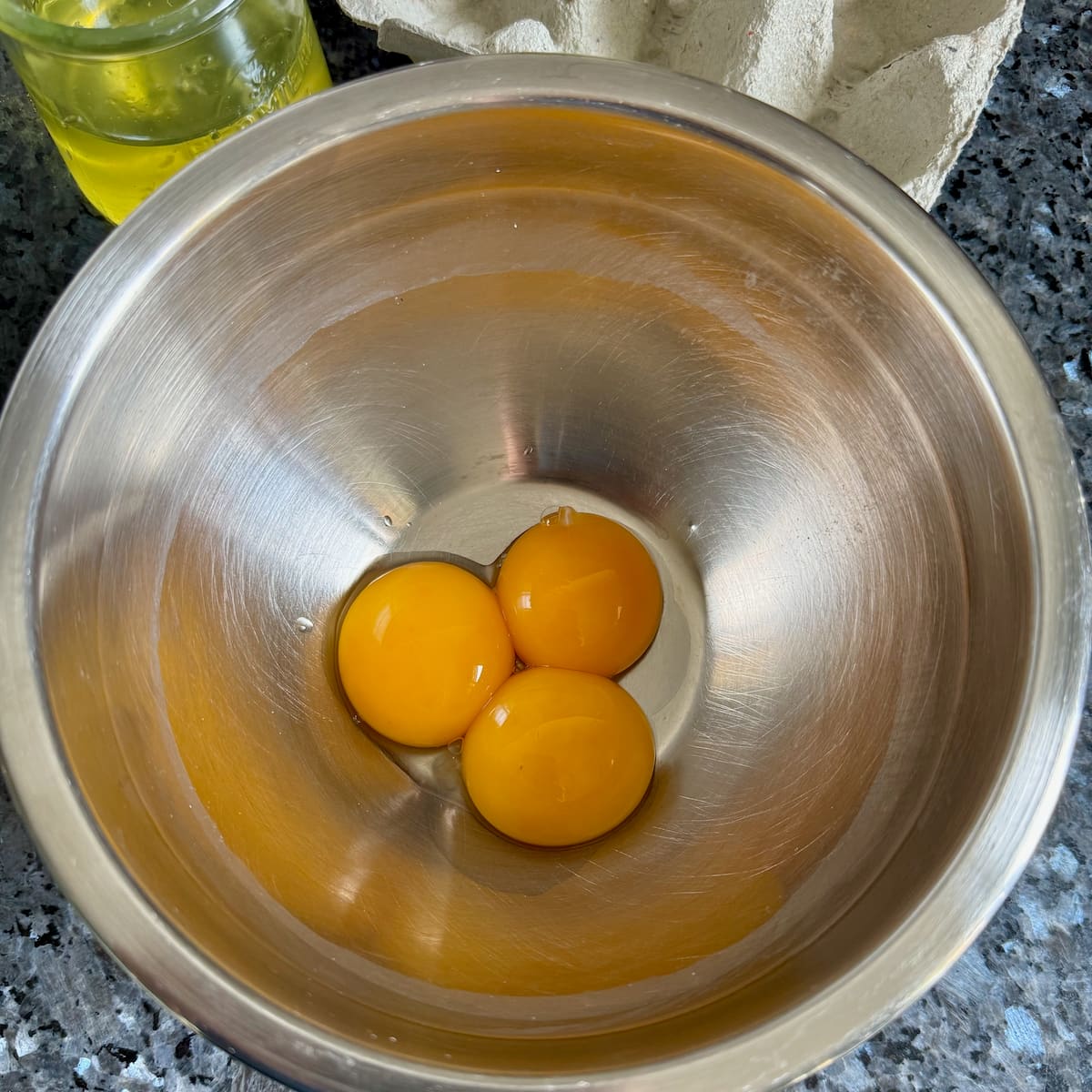
Macarons use only egg whites, so you'll have plenty of yolks left over. Here's how I plan my own baking: use the fresh yolks on the day you separate the eggs - for a crème caramel, crème brûlée or homemade ice cream - and let the whites rest in the fridge for a day or two, ready for macarons.
My most popular recipe on this site is my classic French crème caramel, and it's the perfect partner to a macaron day. For step-by-step help with French custard desserts, see my Master Crème Caramel e-book, online crème brûlée course and large crème caramel course.
Want More Macaron Help?
The new ebook and video course arrive 3 November. The ebook brings together my favourite fillings, while the course takes you through the beginner method in detail, with full troubleshooting.
Join the Macaron Starter List and I'll send your free starter kit as soon as it's ready.